How to Improve Indoor Airflow in Your Home
July 28, 2026
Indoor Air Quality Solutions for Healthier Homes
July 30, 2026
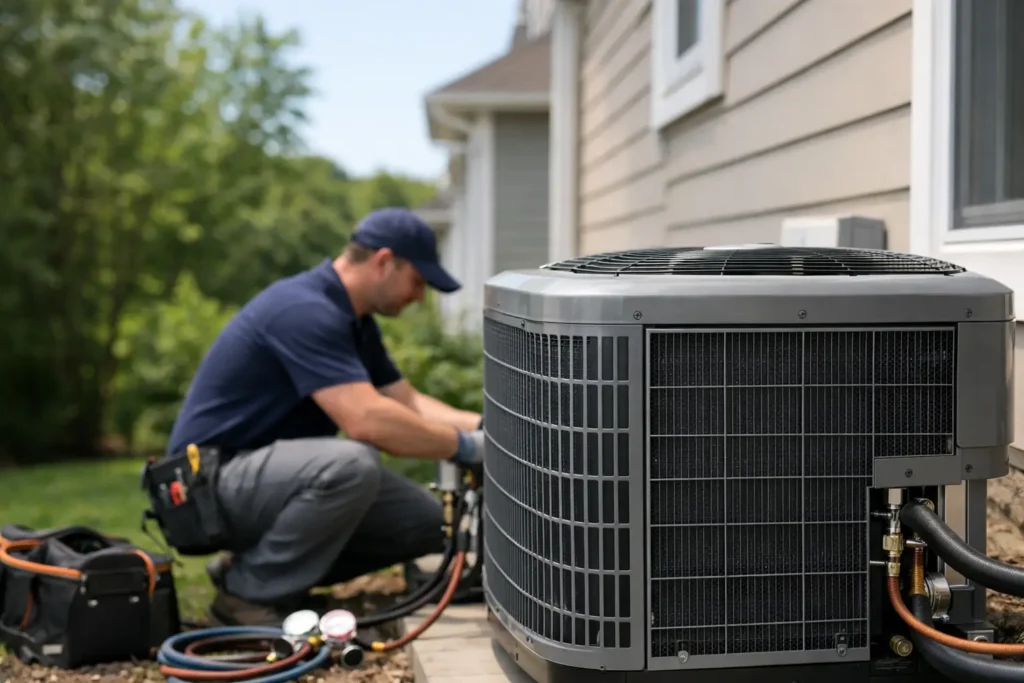
A new air conditioner is not a plug-and-play purchase. The equipment has to fit your home, your ductwork, your electrical capacity, and Northern Virginia’s humid summers. This home AC installation guide explains the decisions that affect comfort long after installation day – and the details a qualified contractor should handle before the first cool cycle begins.
Start With the Right AC System, Not the Biggest One
Many homeowners assume a larger air conditioner will cool the house faster and perform better. In practice, an oversized system can create short cooling cycles. It may lower the thermostat temperature quickly, but it shuts off before removing enough moisture from the air. The result can be cool rooms that still feel damp, uneven temperatures, higher utility costs, and extra wear on the equipment.
An undersized system has the opposite problem. It can run for long periods during a heat wave without reaching the temperature you set. The right size depends on far more than square footage. A professional load calculation considers the home’s layout, insulation, window orientation, ceiling height, air leakage, number of occupants, and heat-producing appliances.
For many Northern Virginia homes, system selection also comes down to the equipment already in place. Central air conditioning may be the practical choice when existing ducts are in good condition. A heat pump can provide both cooling and heating, which may make sense for homeowners replacing an older furnace and AC combination. Ductless mini-splits can be a strong option for additions, converted garages, attic rooms, or areas that never cool evenly.
The best choice depends on your home and priorities. Lower upfront cost, long-term efficiency, quieter operation, zoning capability, and available rebates can point in different directions. A clear proposal should explain those trade-offs instead of treating every home the same.
What a Professional Home AC Installation Guide Should Cover
A dependable installation starts with an in-home evaluation. The contractor should inspect the indoor and outdoor equipment locations, ductwork, thermostat, electrical panel, refrigerant line route, condensate drainage, and access for future service. If those basics are not reviewed, the installation quote may miss work that matters to system safety and performance.
Ductwork and airflow
Your AC system can only deliver cooling through the air it can move. Leaky, undersized, disconnected, or poorly balanced ducts can leave bedrooms warm and increase the strain on a new unit. Replacing the outdoor condenser without addressing major airflow problems can limit the value of the investment.
A technician may recommend duct sealing, repairs, added return-air capacity, or adjustments to supply vents. Not every installation needs duct replacement, but every installation should include an airflow assessment. This is especially important in older homes, homes with finished basements, and properties that have had additions built over time.
Electrical requirements
Air conditioners require dedicated electrical protection sized for the equipment. Depending on the system and the home’s existing panel, installation may require a new disconnect, upgraded wiring, or electrical panel work. This is not an area for guesswork or improvised repairs.
A licensed professional should confirm that the electrical system can safely support the new equipment. The goal is not simply getting the unit to turn on. It is protecting the home, meeting applicable code requirements, and preventing nuisance breaker trips or equipment damage later.
Drainage and moisture control
Cooling creates condensation. That water needs a properly installed drain line with the correct slope, protection, and safety controls where appropriate. A failed or clogged condensate drain can cause ceiling damage, mold concerns, and unexpected system shutdowns.
Ask how the drain will be routed and whether the installation includes a float switch or other overflow protection. In homes with attic air handlers, this detail deserves particular attention because a small drainage issue can become a major repair.
Know What Happens on Installation Day
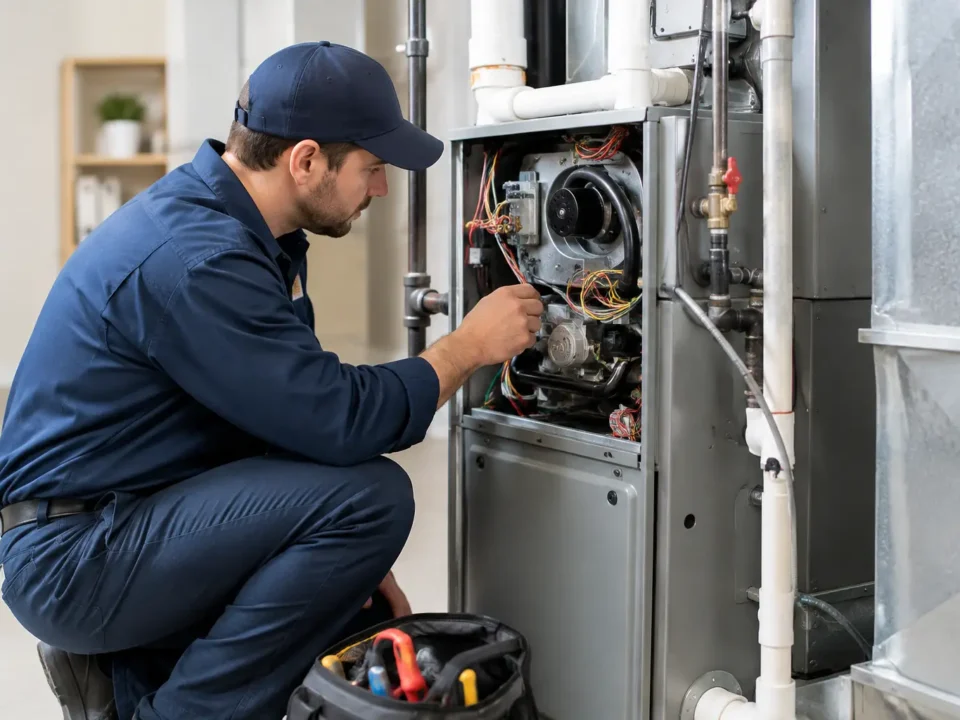
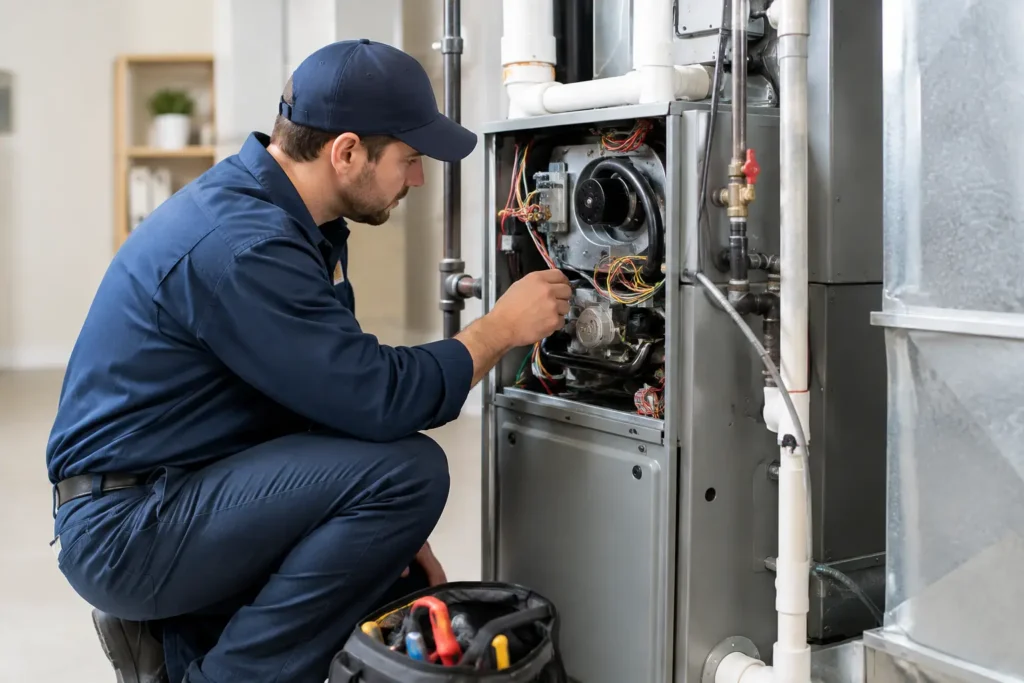
A professional replacement generally begins with protecting floors and work areas, then safely removing the old equipment. The installer should verify the new equipment model, inspect the pad or mounting location for the outdoor unit, and confirm clearances for airflow and service access.
The indoor coil or air handler must be correctly matched to the outdoor unit. Matching matters because AC systems are designed and rated as combinations. Using incompatible components can reduce efficiency, affect reliability, and potentially create warranty concerns.
After the equipment is set, technicians connect refrigerant lines, electrical wiring, drains, ducts, and thermostat controls. Refrigerant piping should be pressure-tested and evacuated before the system is charged according to manufacturer specifications. Skipping these steps can leave moisture or contaminants in the lines, creating problems that may not appear until months later.
The final stage is commissioning. This is where the team starts the system, checks temperatures and pressures, confirms airflow, tests the drain, reviews thermostat operation, and makes sure the equipment is operating as designed. Installation is not complete just because cool air is coming from a vent.
Permits, Codes, and HOA Rules Matter
In Reston and across Northern Virginia, permit requirements can apply to HVAC replacements and related electrical work. Requirements vary by jurisdiction and by the scope of the project. A professional installer should identify whether permits are needed, obtain them when included in the project scope, and schedule inspections as required.
If you live in a community with an HOA or condominium association, check placement rules before installation begins. Some communities have restrictions on outdoor unit locations, screening, noise, or visible line sets. Addressing approval early avoids a frustrating delay after equipment has already been selected.
Questions to Ask Before You Approve the Quote
Price matters, but it should not be the only comparison point. Two quotes can look similar while including very different scopes of work. Ask whether the proposal includes equipment removal, permits, electrical upgrades, a new thermostat, pad replacement, refrigerant line work, duct modifications, startup testing, and warranty registration.
You should also ask how the system was sized, what efficiency rating is being proposed, and what labor warranty applies. A contractor should be comfortable explaining why a particular capacity and equipment type fits your home. Vague answers such as “this is what most homes use” are not enough for a major comfort investment.
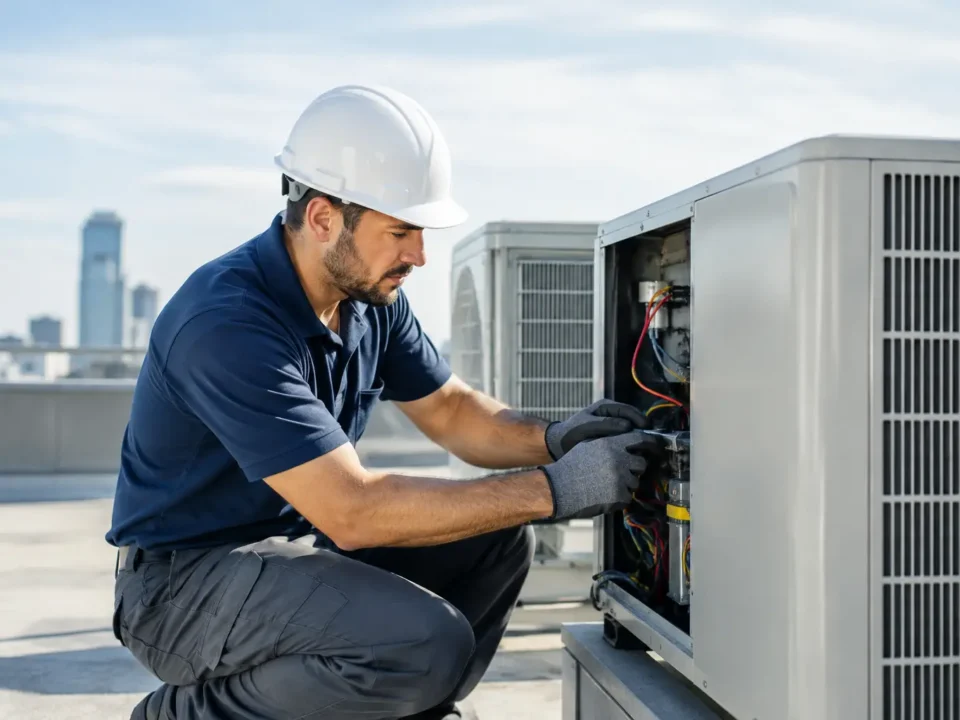
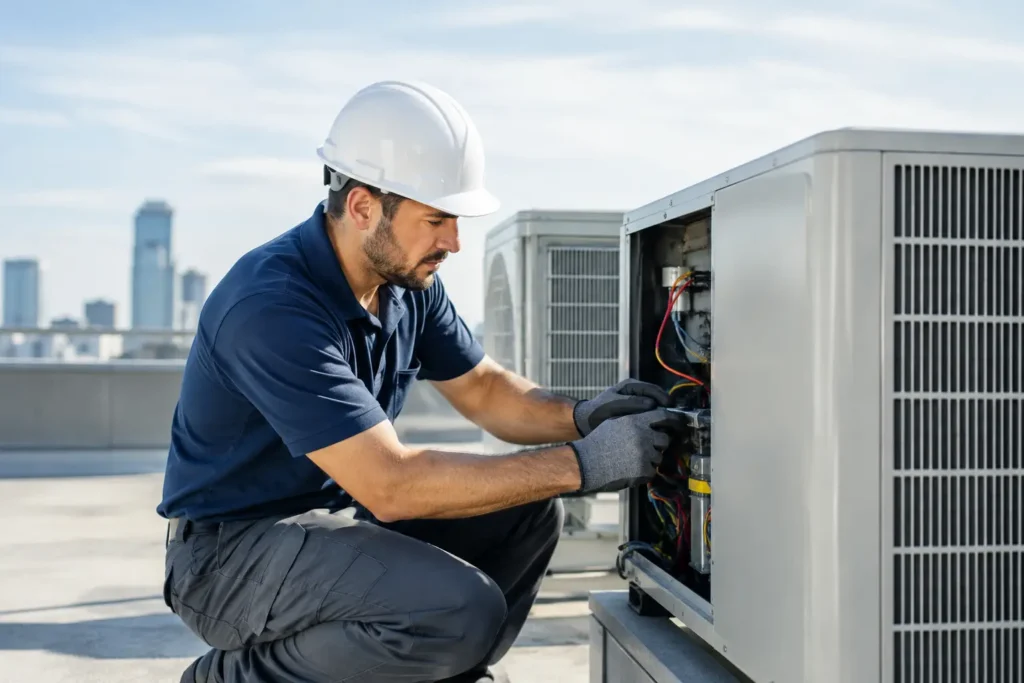
For property managers and commercial decision-makers, clarify scheduling, tenant access, roof or mechanical-room logistics, and downtime expectations. A replacement plan should protect occupant comfort while keeping the project organized and documented.
Avoid the DIY Installation Temptation
A window unit is one thing. Installing a central AC system, heat pump, or ductless system is a different level of work. It involves high-voltage electricity, refrigerant handling, code compliance, condensate management, specialized tools, and precise startup procedures.
Trying to save money with an unqualified installation can cost more when the system performs poorly, fails early, leaks water, or requires corrective work. It can also affect manufacturer warranty coverage. The safer approach is to use trained, certified technicians who can size, install, and test the system correctly.
AAA HVAC provides professional AC installation for homeowners and businesses that need clear recommendations, qualified technicians, and dependable comfort. Whether you are replacing a failed unit or planning ahead before summer, a proper evaluation gives you a better basis for deciding.
Protect Your New System After Installation
The first year of ownership is a good time to establish simple habits. Keep the outdoor unit clear of leaves, mulch, and stored items so it can breathe. Change filters on schedule, keep supply and return vents open, and pay attention to changes in airflow, noise, or humidity.
Preventive maintenance is equally valuable. A seasonal visit can catch loose electrical connections, drainage issues, declining refrigerant performance, and dirty coils before they turn into a no-cooling call on the hottest day of the year. It also helps protect efficiency, which is what keeps a high-quality installation delivering the comfort you paid for.
When you are ready to replace an aging system, do not rush into the first available unit. Ask for a careful evaluation, expect a clear scope of work, and choose an installer who will stand behind the result. A properly planned AC installation gives your home a much better chance of staying cool, dry, and reliable when summer puts it to the test.