AC Repair Versus Replacement for Your Home
July 17, 2026
How to Choose AC Size for Your Northern Virginia Home
July 19, 2026
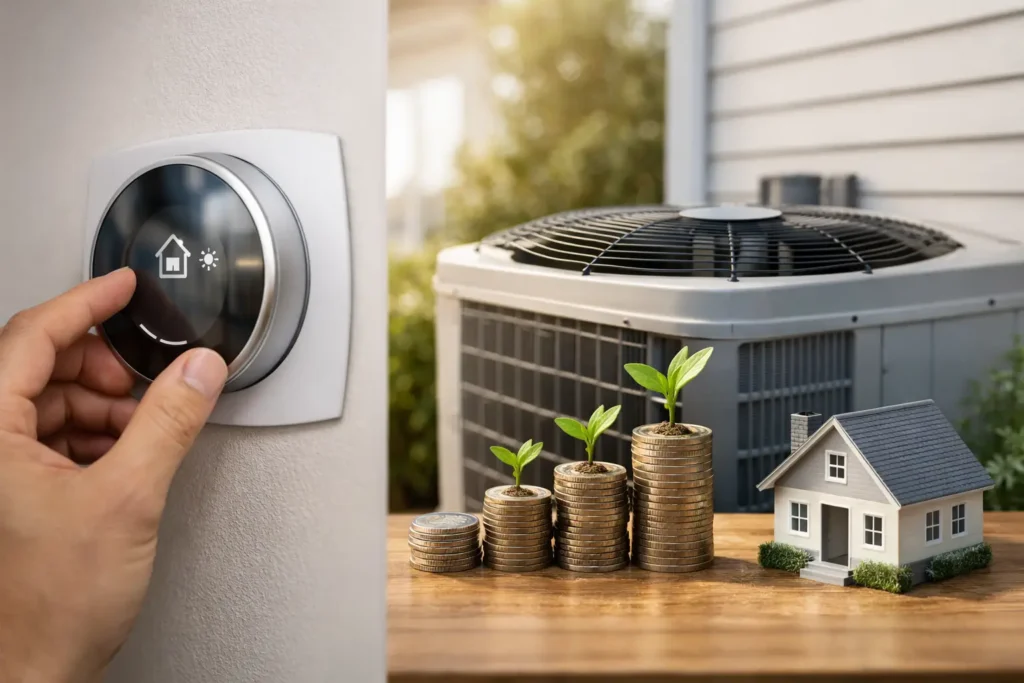
A high utility bill is often the first sign that your heating and cooling system is working harder than it should. The best ways to reduce HVAC bills are not usually complicated, but they do require attention before a small comfort issue becomes an expensive repair, wasted energy, or a system failure during a Northern Virginia heat wave or cold snap.
For homeowners, the goal is steady comfort without running the equipment around the clock. For property managers and business owners, it is also about protecting uptime, controlling operating costs, and avoiding emergency disruptions. Start with the changes that cost little, then determine whether your equipment needs professional service or a longer-term upgrade.
Best Ways to Reduce HVAC Bills at Home or Work
Set the thermostat for consistency
Constantly adjusting the thermostat can make the system cycle more often and use more energy. A programmable or smart thermostat helps maintain a practical schedule based on when people are home, asleep, or using a commercial space.
In summer, many households can save energy by setting the thermostat a few degrees higher while away and returning it to a comfortable setting before they get home. During winter, lower the setting when the building is empty or occupants are sleeping. The right temperature depends on the people in the space, the building’s insulation, and humidity levels, so avoid an aggressive setback that creates comfort complaints or forces the system to recover for hours.
For commercial properties, schedule settings should match actual occupancy. There is little value in cooling empty offices, conference rooms, or retail areas at full capacity overnight. Review schedules after staffing changes, lease turnovers, and seasonal shifts.
Replace air filters before airflow suffers
A clogged filter restricts airflow. That makes an air conditioner, heat pump, or furnace run longer to move conditioned air through the building. It can also contribute to hot and cold rooms, frozen evaporator coils, overheating, and unnecessary wear on expensive components.
Check standard one-inch filters monthly and replace them when they look dirty. Many homes need a replacement every one to three months, while homes with pets, renovations, or heavy allergy concerns may need more frequent attention. Larger media filters often last longer, but they still need to be checked according to the manufacturer’s guidance.
Do not assume that the highest-rated filter is always the right choice. A filter that is too restrictive for the system can reduce airflow. A qualified HVAC technician can recommend the appropriate filter type for your equipment and indoor air-quality needs.
Keep vents, returns, and outdoor units clear
Closing supply vents in unused rooms may seem like an easy way to cut costs, but most forced-air systems are designed to distribute air throughout the home. Closing too many vents can increase duct pressure and strain the equipment. Keep supply registers open and make sure furniture, curtains, and rugs are not blocking airflow.
Return vents need even more attention. They pull air back to the system, so a blocked return can quickly affect performance. In offices and commercial spaces, check that stored boxes, displays, or furniture have not been placed in front of grilles.
Outside, clear leaves, grass clippings, mulch, and debris from around the condenser or heat pump. Maintain open space around the unit so it can release heat effectively. Do not cover an operating outdoor unit or stack items against it. If the coil is visibly dirty or the fins are bent, professional cleaning is the safer choice.
Seal the building, not just the ductwork
Your HVAC system cannot efficiently heat or cool air that is constantly escaping. Air leaks around doors, windows, attic penetrations, plumbing openings, and recessed fixtures can drive up bills while making some rooms uncomfortable.
Start with simple fixes such as weatherstripping exterior doors and replacing worn door sweeps. Caulk small, stationary gaps around window frames and utility penetrations. Insulation is especially important in attics, crawl spaces, and rim joists, where summer heat and winter cold can transfer into living areas.
Duct leakage is another common issue, particularly in older Northern Virginia homes where ducts run through attics, garages, or crawl spaces. Leaky ducts can send conditioned air into areas that do not need it. Because duct repairs require the correct materials and access, a professional assessment is often worthwhile when rooms remain unevenly heated or cooled.
Use ceiling fans the right way
Fans do not lower the room temperature, but they improve air movement and can make occupants feel more comfortable. That may allow you to raise the thermostat slightly in summer without sacrificing comfort. Turn fans off when a room is empty because they cool people, not the space itself.
In winter, a ceiling fan on a low setting in the reverse direction can gently circulate warm air that collects near the ceiling. Use the lowest speed possible. Strong airflow can make a room feel drafty and defeat the purpose.
Preventive Maintenance Protects Efficiency
An HVAC system can lose efficiency gradually. A homeowner may not notice the decline until utility costs rise, the system runs constantly, or the equipment stops keeping up on the hottest or coldest day of the year. Preventive maintenance is one of the most reliable ways to catch these problems early.
A professional tune-up typically includes checking electrical connections, measuring system operation, inspecting moving parts, cleaning components as needed, confirming airflow, and identifying developing concerns. For air conditioning, coil condition and refrigerant performance matter. For furnaces, technicians should inspect safe operation, combustion-related components, and heat exchanger conditions.
Maintenance does not guarantee that an older system will never need a repair. It does help reduce avoidable strain and gives you better information for planning. For commercial properties, documented maintenance also makes budgeting and equipment decisions more predictable.
AAA HVAC provides preventive maintenance and repair support from NATE-certified technicians, helping Northern Virginia homeowners and businesses address efficiency problems before comfort is interrupted.
Pay attention to warning signs
Higher bills are not always caused by utility rates or weather. Call for an inspection if you notice short cycling, weak airflow, unusual sounds, ice on the outdoor equipment, rooms that no longer reach the set temperature, or a furnace that starts and stops repeatedly.
Ignoring these signs can be costly. A minor electrical issue, dirty coil, failing capacitor, or refrigerant-related problem may force the system to work longer and can lead to broader damage. Same-day service can be especially valuable when an issue appears during peak summer or winter demand.
Know When an Upgrade Makes Financial Sense
Maintenance and habit changes are effective, but they cannot make severely outdated equipment perform like a modern, properly sized system. If your unit needs frequent repairs, cannot maintain comfort, or has reached the later stages of its expected service life, replacement may be the more practical financial decision.
Efficiency ratings matter, but equipment selection should not be based on ratings alone. An oversized air conditioner can short cycle, leaving humidity behind and creating uneven comfort. An undersized furnace or heat pump may run continuously during extreme weather. Proper load calculations, duct condition, insulation, window exposure, and the needs of the building all affect the right recommendation.
A high-efficiency system has a higher upfront cost, so the payback depends on your current equipment, energy use, utility costs, and how long you expect to own or operate the property. Financing can make a needed replacement more manageable, but the priority should be a correctly sized, professionally installed system rather than the highest advertised rating.
Small Habits That Add Up
Beyond the HVAC equipment itself, everyday choices influence utility costs. Keep blinds and curtains closed against direct summer sun, especially on west-facing windows. In winter, open them during sunny hours when it helps warm the space, then close them after sunset to reduce heat loss.
Avoid placing heat-producing appliances near the thermostat, and make sure the thermostat is not in direct sun or near a drafty door. Run bathroom and kitchen exhaust fans only as long as needed, since they can pull conditioned air out of the building. If humidity feels high in summer, do not immediately lower the thermostat several degrees. The issue may be airflow, drainage, equipment performance, or a system that needs service.
The most useful next step is simple: check the filter, confirm the thermostat schedule, and pay attention to what your system sounds and feels like this week. Acting early gives you more options, more comfort, and fewer surprises when the weather is at its worst.