Best HVAC Equipment Brands for Your Building
July 4, 2026
HVAC Technology Trends That Matter Now
July 6, 2026
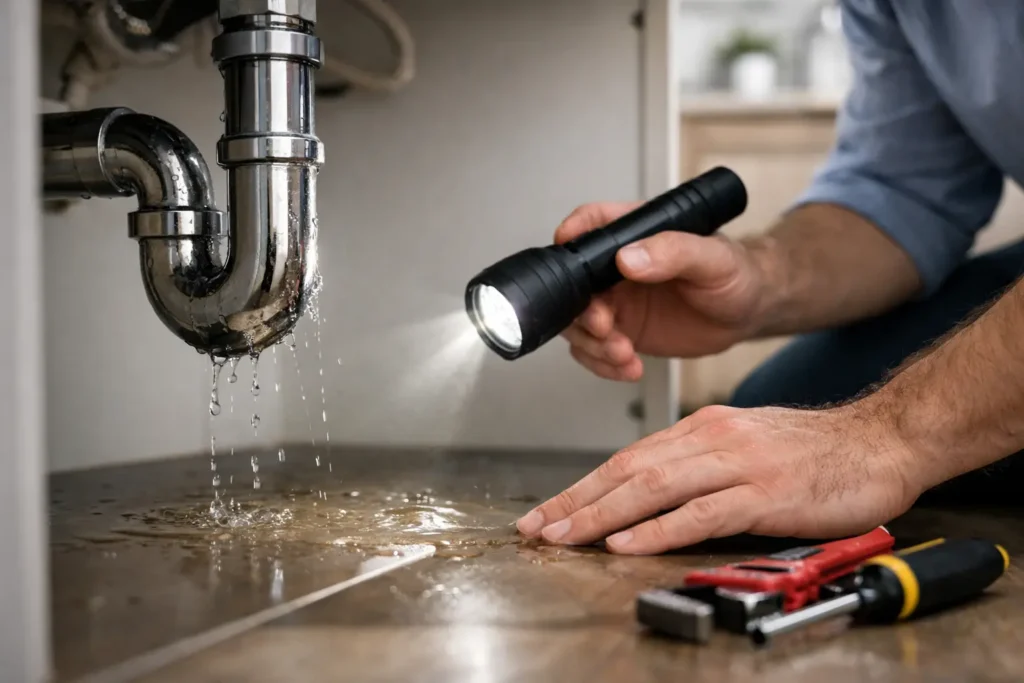
A leak rarely starts with water pouring through the ceiling. More often, it starts with a higher water bill, a musty smell near a cabinet, or a wall that suddenly looks a little off. If you want to know how to spot plumbing leaks before they turn into structural damage, mold growth, or an emergency repair, the key is catching the small signs early.
In Northern Virginia homes and commercial buildings, leaks can hide behind finished walls, under slab foundations, above ceiling tiles, or inside mechanical rooms. That makes them easy to miss and expensive to ignore. A slow drip may not feel urgent today, but over time it can damage flooring, drywall, insulation, and framing. In some cases, it can even affect electrical systems nearby.
How to spot plumbing leaks before damage spreads
The first place to look is wherever water is used or routed regularly. Kitchens, bathrooms, laundry rooms, utility closets, water heater areas, and basements tend to show the earliest clues. You are not always looking for standing water. In fact, many plumbing leaks stay hidden until you notice secondary problems.
Discoloration is one of the most common signs. If a ceiling develops a yellow or brown stain, or if paint begins to bubble on a wall, moisture may be building up behind the surface. Floors can also tell the story. Warped hardwood, loose tile, soft spots in vinyl, and damp carpet often point to a leak underneath or nearby.
Odor matters too. A persistent musty smell, especially in a cabinet or closed room, can mean water has been present for longer than you realized. If the smell gets stronger after someone showers, runs the dishwasher, or uses a sink, that pattern is worth paying attention to.
Sound can help as well. If you hear dripping, running water, or a faint hissing noise when all fixtures are off, there may be a supply line leak or a toilet that is constantly refilling. Some leaks are large enough to hear but small enough to stay out of sight.
Check the water meter if a leak is suspected
One of the most reliable ways to confirm a hidden leak is with your water meter. This test is simple and often more useful than guessing.
Start by turning off all water use in the building. That means faucets, ice makers, irrigation, dishwashers, washing machines, and any other water-using equipment. Once everything is off, look at the meter and record the reading. Wait 30 minutes to an hour without using any water, then check it again. If the reading changes, water is moving somewhere in the system.
Some meters also have a leak indicator, often a small dial or digital symbol that moves even with very low flow. If that indicator keeps moving while everything is shut off, there is a good chance you have a hidden leak.
This test will not tell you exactly where the problem is, but it can tell you whether the issue is real. That is especially helpful if the only warning sign so far is an unexplained increase in your utility bill.
Rooms and fixtures where leaks hide most often
Bathrooms are a common trouble spot because they combine supply lines, drain lines, toilets, tubs, and shower enclosures in a small footprint. A toilet leak may show up as water around the base, but it can also stay hidden if the wax seal fails slowly. Toilets that refill randomly or run longer than normal can waste a surprising amount of water.
Under-sink leaks are another frequent issue. The trap, shutoff valves, supply tubes, and faucet connections can all develop problems over time. Open the vanity or kitchen sink cabinet and run water for a minute while checking with a flashlight. If you see drips, corrosion, warped wood, or staining, do not assume it will stay minor.
Water heaters deserve close attention as well. A small amount of moisture around the base can mean anything from condensation to a failing tank. The difference matters. Condensation may be manageable in some conditions, but tank corrosion usually gets worse, not better.
Laundry rooms can hide leaks behind the washer, where supply hoses and drain connections are easy to forget. Dishwasher leaks may only appear when the unit is draining or filling. Refrigerators with water lines can leak slowly enough to damage flooring before anyone notices.
For commercial properties, break rooms, restrooms, janitor closets, and utility areas should all be checked regularly. A small leak behind a wall in a frequently used restroom can become a major repair if it is missed during daily operations.
How to spot plumbing leaks in walls, ceilings, and floors
Leaks inside finished surfaces usually reveal themselves indirectly. You may see staining, but texture changes are just as important. Drywall that feels soft, paint that peels, and trim that separates from the wall can all point to moisture behind the surface.
Ceilings are especially sensitive to plumbing leaks from upper floors. If a stain appears below a bathroom, laundry room, or water heater closet, do not wait for active dripping. By that point, the material may already be saturated.
Floors can be more subtle. Warm spots on a slab floor may suggest a hot water line leak. Uneven tile, buckling laminate, or unexplained dampness along baseboards can also be early warnings. With hardwood, even a slight cupping pattern can mean moisture is rising from below.
It depends on the plumbing layout, of course. Not every stain is a pipe leak. Roof issues, window failures, and HVAC condensate problems can create similar symptoms. That is why the location and timing of the damage matter. If the stain gets worse after plumbing use rather than after rain, plumbing moves higher on the list.
Watch for pressure changes and rising bills
A sudden jump in your water bill is one of the clearest signs of a leak, especially if your habits have not changed. If usage is up but nothing about occupancy or irrigation has changed, it is time to investigate.
Pressure changes can also signal trouble. If water pressure drops without an obvious reason, a supply line may be leaking somewhere in the system. On the other hand, unusually high water pressure can contribute to leaks by putting stress on pipes, fittings, and appliance hoses.
For property managers and business owners, monthly utility tracking can catch problems before visible damage appears. A leak in a vacant suite, maintenance room, or little-used restroom may not be noticed right away by occupants, but the water bill often notices first.
When a leak is probably not a DIY fix
There is a difference between identifying a leak and solving it correctly. Tightening a loose connection under a sink is one thing. Opening a wall, diagnosing a slab leak, or replacing a failed shutoff valve is another.
If water is reaching electrical components, if the leak is inside a wall or ceiling, or if you cannot isolate the source quickly, professional service is the safer call. The same is true if you suspect a sewer line issue, foundation leak, or water heater failure. Delaying repairs in those situations usually increases the final cost.
Commercial properties have another layer of risk because downtime matters. A hidden leak can affect tenant spaces, inventory, flooring, and daily operations. Fast response is not just about repair cost. It is about limiting business disruption.
For homeowners in Reston and across Northern Virginia, a trusted plumbing professional can also help separate similar-looking issues. Not every wet spot is caused by a plumbing line, and not every plumbing leak leaves obvious damage. AAA HVAC handles plumbing concerns with the same direct, responsive approach customers expect when time matters.
What to do as soon as you find a plumbing leak
If the leak is active, shut off the nearest fixture valve if possible. If that does not stop the water, turn off the main water supply. Move items away from the area, soak up standing water, and document visible damage if needed for insurance or property records.
Then pay attention to what was happening when the leak showed up. Did it start after flushing a toilet, running the dishwasher, or using hot water? That detail can help narrow the cause quickly.
The best time to deal with a leak is when it still feels small. A stain, odor, or slight increase in usage may not seem urgent, but those are often the last warnings you get before a much bigger repair is on your hands.