How to Spot Plumbing Leaks Early
July 5, 2026
How to Maintain Commercial HVAC Systems
July 7, 2026
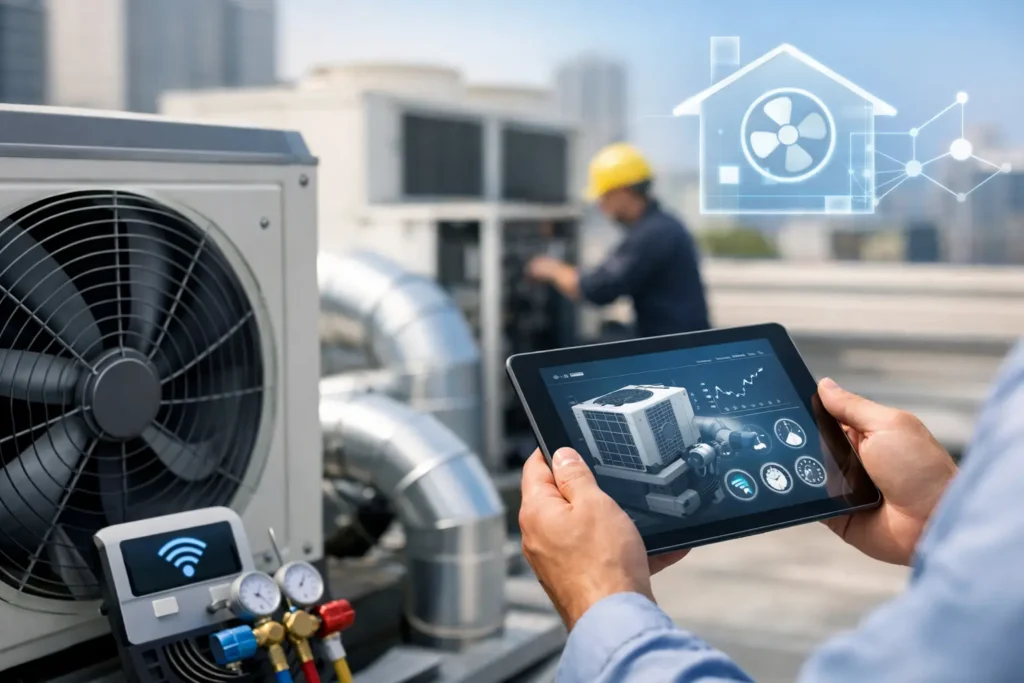
A failing system rarely waits for a convenient time. It shows up on the hottest afternoon in July or during a cold snap when your building needs steady heat the most. That is why HVAC technology trends matter – not as buzzwords, but as real changes that affect comfort, repair costs, energy use, and how quickly problems get fixed.
For homeowners, these trends can mean lower utility bills, fewer surprise breakdowns, and better control over hot and cold spots. For property managers and commercial operators, they can mean better uptime, smarter maintenance planning, and fewer tenant complaints. The key is knowing which changes are practical now and which ones only make sense in certain buildings.
Which HVAC technology trends are actually worth watching?
Not every new feature is a must-have. Some upgrades deliver immediate value, while others depend on your system age, building layout, and budget. The strongest trend across the industry is simple: HVAC systems are getting more intelligent, more efficient, and more connected to the way people actually use a space.
That shift is showing up in several ways, from smart thermostats and variable-speed equipment to indoor air quality tools and predictive maintenance. None of these options is automatically right for everyone. A homeowner with a 20-year-old furnace may need a different solution than a facility manager trying to keep multiple rooftop units running without interruption.
Smarter controls are becoming standard
The thermostat is no longer just a wall-mounted temperature dial. Newer controls learn occupancy patterns, adjust settings automatically, and give users remote access through a phone or building management platform. In residential settings, that can help families reduce energy waste when no one is home. In commercial spaces, it can help operators manage zones more accurately and avoid conditioning empty areas.
The main benefit is control. You can see how the system is performing, make changes quickly, and in some cases receive alerts before comfort problems become major disruptions. Still, smart controls work best when the HVAC system itself is in good condition. Adding a sophisticated thermostat to poorly maintained equipment does not fix airflow issues, duct leaks, or an aging compressor.
Variable-speed systems are replacing one-speed thinking
One of the most important HVAC technology trends is the move away from basic single-stage operation. Older equipment often runs at full blast, shuts off, then starts again. That on-off cycle can waste energy and create uneven temperatures.
Variable-speed air handlers, furnaces, and heat pumps adjust output based on actual demand. Instead of constantly jumping between off and full power, they can run longer at lower speeds. In real-world terms, that often means steadier indoor temperatures, better humidity control, and quieter operation.
For many Northern Virginia properties, this matters because weather swings are common. A system that can adjust gradually often handles those shifts better than one that only knows full capacity. The trade-off is cost. Variable-speed equipment usually costs more upfront, and the value depends on how long you plan to stay in the property and how much your current system struggles with comfort or efficiency.
HVAC technology trends in energy efficiency
Energy efficiency is not new, but the tools available now are better than they were even a few years ago. Higher-efficiency systems, better refrigerant management, improved blower motors, and advanced controls are all changing how buildings use heating and cooling.
For homeowners, the practical question is whether an upgrade will create noticeable savings without creating unnecessary complexity. For commercial buildings, efficiency often ties directly to operating costs and long-term asset planning.
Heat pumps are gaining ground
Heat pump technology has improved significantly, especially in moderate climates. Newer models can provide efficient heating and cooling in one system, making them attractive for many homes and some light commercial applications. They are especially appealing for customers looking to reduce dependence on fuel-burning equipment.
That does not mean every building should switch immediately. Existing ductwork, insulation levels, electric service capacity, and winter performance expectations all matter. In some cases, a dual-fuel setup makes more sense than a full changeover. The trend is real, but the right answer depends on the building.
Electrification is growing, but planning matters
Electrification is one of the bigger industry shifts behind current HVAC technology trends. More property owners are considering equipment that reduces or replaces fossil-fuel use, especially during full system replacement projects.
This can be a smart move, but it should be handled carefully. Electrical capacity, installation costs, and utility rates all affect the long-term value. For commercial sites, the planning process can be even more involved because reliability and load management are critical. Electrification can be a strong strategy, but only if the infrastructure supports it.
Indoor air quality is no longer an add-on
A few years ago, many customers thought of indoor air quality products as optional extras. That is changing. Better filtration, humidity control, ventilation improvements, and air purification systems are becoming a bigger part of HVAC planning for both homes and businesses.
This shift makes sense. Comfort is not only about temperature. A home that feels sticky in summer or dry in winter is not truly comfortable. A commercial space with stale air or poor filtration can affect employee comfort and customer perception.
Better filtration comes with trade-offs
Higher-performance filters can improve indoor air quality by capturing smaller particles, but they also can restrict airflow if the system is not designed for them. That is where many well-intended upgrades go wrong. A filter that sounds better on paper is not always better for your equipment.
The right filtration setup balances air cleaning with proper airflow. In some buildings, that means upgrading the filter. In others, it means looking at duct design, blower performance, or adding dedicated indoor air quality equipment instead of forcing the system to do more than it should.
Humidity control is getting more attention
Humidity affects how a space feels, how hard the equipment works, and even how indoor air quality products perform. Variable-speed systems often help with humidity because they run longer at lower levels. Whole-home dehumidifiers and humidifiers can also solve comfort issues that temperature changes alone cannot fix.
This is especially useful in regions where summers are humid and shoulder seasons can be unpredictable. If occupants keep adjusting the thermostat but still feel uncomfortable, humidity may be the real issue.
Connected maintenance is changing service calls
One of the more practical HVAC technology trends is remote monitoring and predictive maintenance. Newer systems can track performance data and flag irregular behavior early. That might include unusual run times, temperature differences, sensor faults, or signs of declining efficiency.
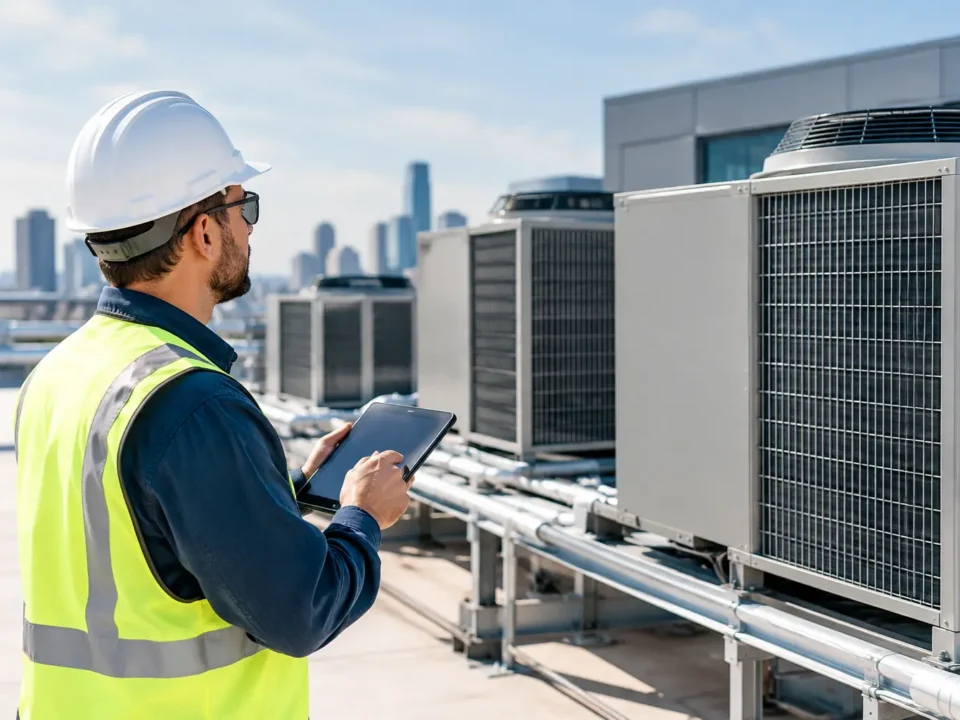
For commercial properties, this can reduce downtime by catching issues before they become emergencies. For homeowners, connected diagnostics can provide earlier warning that something is off, which may help avoid a total breakdown during peak season.
This technology is useful, but it is not magic. Monitoring can identify patterns, but it still takes a qualified technician to inspect the equipment, confirm the issue, and make the repair. Data is only helpful when it leads to accurate service.
Maintenance is becoming more targeted
Traditional maintenance schedules still matter, but technology is making them more precise. Instead of treating every unit the same, service can be based more on actual system condition and performance trends.
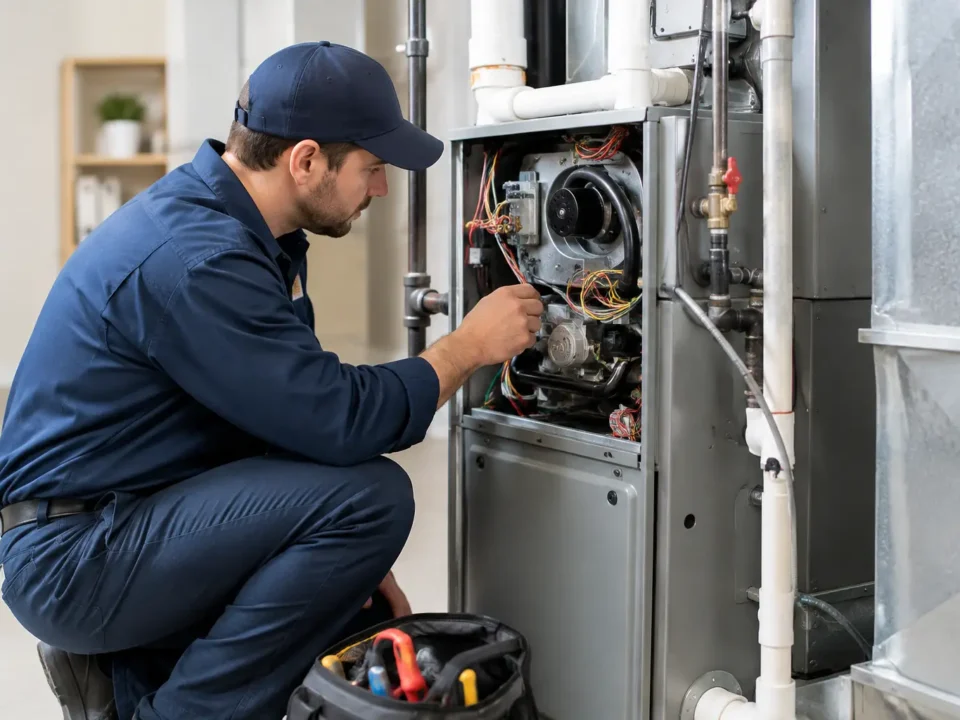
That is good for customers because it supports smarter repair decisions. A technician may be able to spot a failing capacitor, airflow problem, or refrigerant issue sooner, before it damages other components. In busy commercial settings, that kind of early action can make a major difference in uptime.
What these trends mean before you replace equipment
It is easy to get distracted by features and forget the basics. The best HVAC upgrade is not always the newest one. It is the one that fits the building, solves the real problem, and can be maintained properly over time.
If your current system is unreliable, inefficient, or unable to keep up, newer technology may offer clear benefits. If your equipment is still structurally sound, targeted improvements like better controls, zoning adjustments, or indoor air quality upgrades may be the smarter move. A trustworthy contractor should be willing to explain both options clearly, not push a replacement before it is necessary.
For customers in Northern Virginia, weather swings, humidity, and heavy seasonal demand all make system performance more important. That is why working with experienced, certified professionals matters. Companies like AAA HVAC see these issues every day and can help match the technology to the property instead of forcing a one-size-fits-all solution.
The real value in HVAC technology trends is not the technology itself. It is what that technology does for your comfort, your operating costs, and your confidence that the system will perform when you need it most. If you are considering an upgrade, start with the practical question: what problem are you trying to solve? The right answer usually starts there.