Home AC Installation Guide for Northern Virginia
July 29, 2026
Best HVAC Upgrades for Comfort in Northern Virginia
July 31, 2026
A home can look clean, smell fine, and still have air that makes people uncomfortable. Persistent dust, dry throats, allergy flare-ups, uneven humidity, and rooms that feel stale are often signs that the air inside needs attention. The right indoor air quality solutions address the source of the problem, not just the symptoms.
For homeowners, property managers, and business owners in Northern Virginia, indoor air quality is closely tied to HVAC performance. Our seasonal humidity, pollen, cold winters, and hot summers all put pressure on heating and cooling systems. A practical plan starts with understanding what is moving through the building, where moisture is collecting, and whether the system is filtering and ventilating as it should.
Start With the Problem You Can Actually Notice
Not every air-quality concern needs the same equipment. A whole-home purifier may help one household, while another needs duct repairs, better filtration, or humidity control first. Installing products without identifying the cause can waste money and leave the original issue in place.
Pay attention to patterns. If allergies worsen when the furnace or air conditioner runs, the filter, ductwork, or indoor blower may be involved. If bedrooms feel stuffy while other rooms are comfortable, airflow may be restricted or unbalanced. Musty odors, condensation on windows, and damp areas point more toward excessive moisture. Dry skin, static electricity, and irritated sinuses are common during heating season when indoor humidity drops too low.
For commercial properties, complaints from staff or tenants can be an early warning. A conference room that feels stale every afternoon, recurring odors near restrooms, or visible dust around supply vents deserve a closer look. Comfort problems can affect productivity and tenant satisfaction long before they become an emergency repair.
Indoor Air Quality Solutions That Work Together
The most effective approach is usually a combination of HVAC maintenance, targeted equipment, and sensible building habits. The right mix depends on the building, the people using it, and the condition of the existing heating and cooling system.
Use the right filter, and replace it on schedule
Air filters are the first line of defense against dust, pollen, pet dander, and other airborne particles. But a higher-rated filter is not automatically better for every system. Filters that capture very small particles can also restrict airflow if the HVAC equipment was not designed for them. Restricted airflow can reduce comfort, raise operating costs, and put unnecessary strain on components.
A qualified technician can help determine the filter type your system can handle. Once you have the right filter, replace it regularly. Homes with pets, frequent cooking, renovations, or family members with allergies may need more frequent changes than the interval printed on the package. Commercial filters should also be part of a documented maintenance schedule, not an afterthought when occupants start complaining.
Control humidity in both directions
Humidity has a major effect on how indoor air feels and how a building performs. In summer, excessive humidity can make rooms feel warmer than the thermostat setting, encourage musty odors, and create conditions favorable to mold growth. In winter, overly dry air can cause discomfort and damage wood flooring, furniture, and trim.
Whole-home dehumidifiers remove moisture more consistently than portable units and work with the HVAC system to improve comfort throughout the building. Whole-home humidifiers add controlled moisture during dry months. Neither is a universal answer, though. A moisture issue may also come from an oversized air conditioner, a drainage problem, poor ventilation, or a water leak. The cause should be checked before equipment is selected.
Improve purification where it makes sense
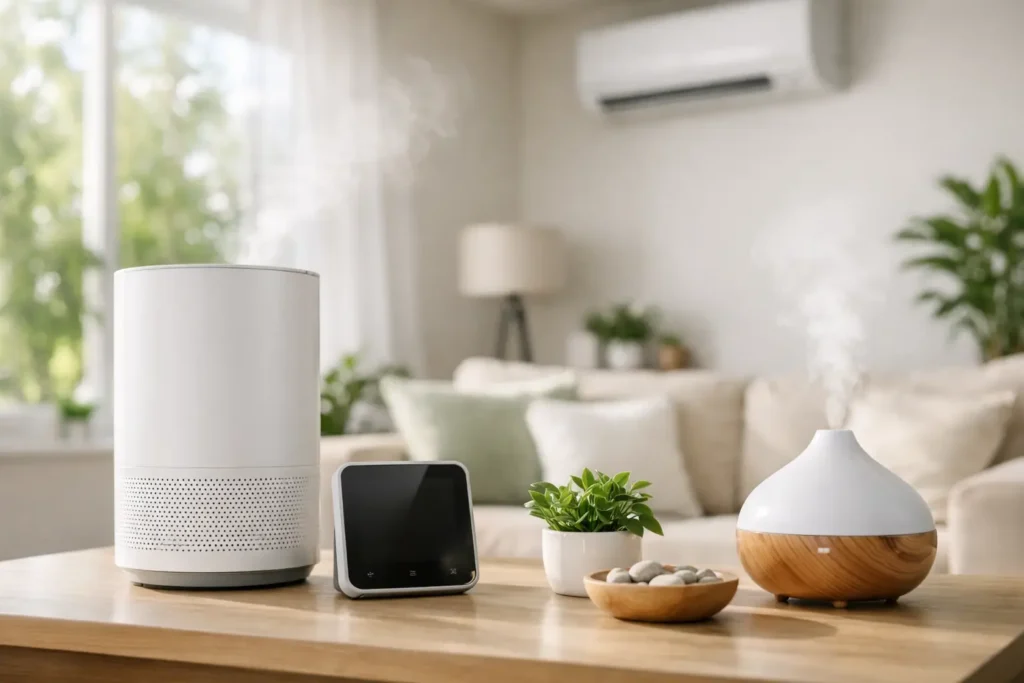
Air purification systems can be useful for homes with pets, allergy concerns, odors, smoke exposure, or occupants who are especially sensitive to airborne particles. Depending on the need, options may include media air cleaners, electronic filtration, or systems designed to help reduce certain airborne contaminants.
The key is matching the solution to a verified concern. A purifier cannot correct a dirty evaporator coil, leaking ductwork, or a system that is not bringing in enough fresh air. It should support a well-maintained HVAC system, not replace maintenance.
Check ventilation and airflow
Modern buildings are often sealed tightly for energy efficiency. That helps control heating and cooling costs, but it can also allow indoor pollutants and odors to linger if ventilation is inadequate. Kitchens, bathrooms, laundry areas, and high-occupancy commercial spaces need particular attention.
Proper exhaust ventilation removes moisture and odors at the source. Balanced fresh-air ventilation can bring in outdoor air while managing energy loss, which is especially valuable in tightly sealed homes and commercial spaces. The best option depends on the building layout, occupancy, and existing equipment.
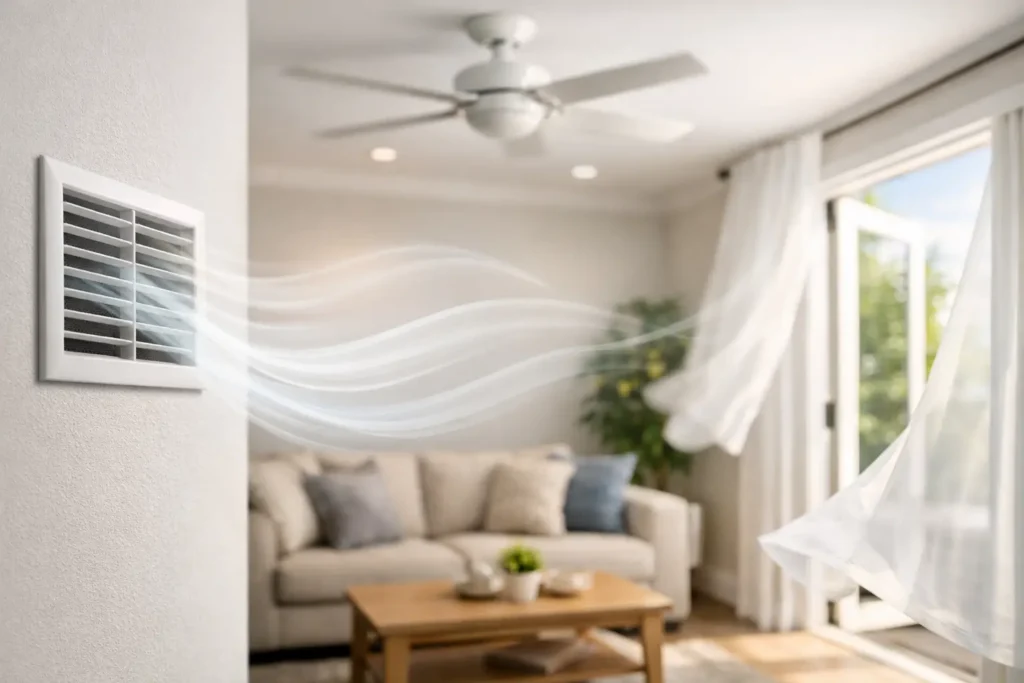
Airflow matters just as much. Closed or blocked vents, damaged ducts, disconnected returns, and dirty coils can prevent air from circulating correctly. If one area of the building consistently feels stale, a professional airflow evaluation can reveal whether the problem is ventilation, duct design, system capacity, or an equipment issue.
Do Not Overlook the HVAC System Itself
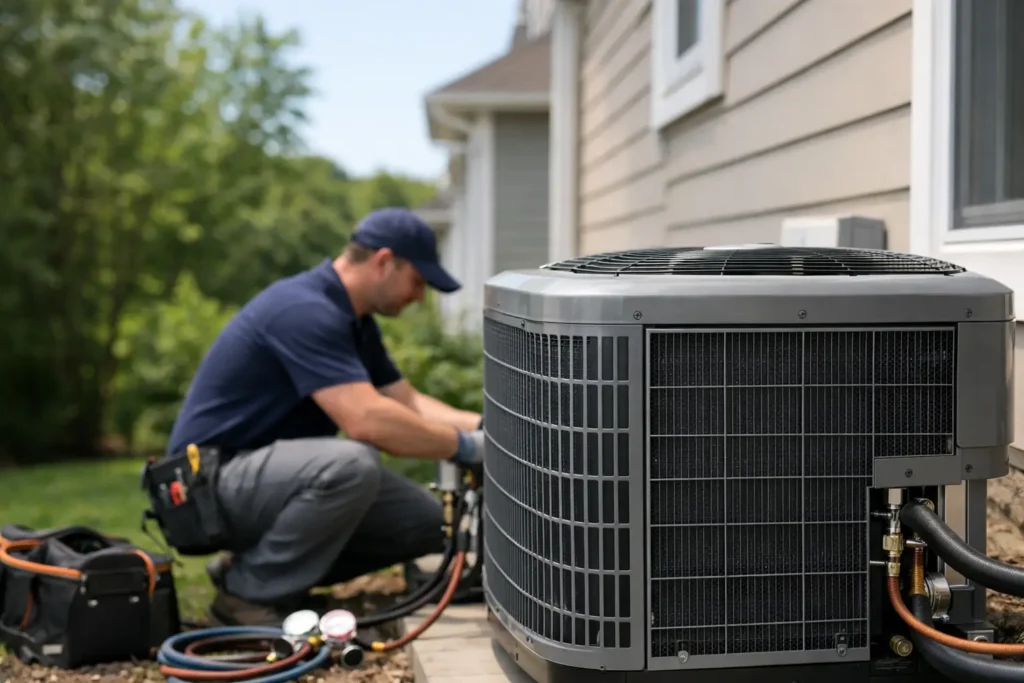
Your heating and cooling equipment circulates air through the building every day. When it is neglected, dust buildup, drainage problems, worn parts, and poor airflow can affect both comfort and air quality.
Seasonal maintenance gives a technician the opportunity to inspect filters, clean key components, verify drainage, evaluate blower performance, and identify issues before they lead to a breakdown. For air conditioning systems, proper drainage and coil condition are especially important during humid Northern Virginia summers. For furnaces, combustion safety and proper airflow should be checked before heating season begins.
Duct cleaning is sometimes helpful, but it is not a cure-all. It may be appropriate after a major renovation, visible contamination, pest activity, or an unusual buildup of debris. If dust returns quickly after cleaning, the bigger issue may be filter selection, duct leaks, poor return-air design, or a lack of regular maintenance.
Practical Steps You Can Take Between Service Visits
Small habits help protect the investment you make in your HVAC system. Keep supply and return vents open and clear of furniture, rugs, and storage. Use kitchen and bathroom exhaust fans when cooking or showering. Address plumbing leaks quickly, especially around mechanical rooms, bathrooms, and utility areas.
Vacuuming with a quality filter and reducing clutter can limit the dust that becomes airborne. If pollen is a concern, keep windows closed during high-pollen periods and change clothes after spending extended time outdoors. For businesses, regular housekeeping and prompt attention to water intrusion are essential, particularly in storage rooms, restrooms, and shared workspaces.
Portable air cleaners and dehumidifiers can be useful for a single room, but they have limits. They do not solve a building-wide ventilation or HVAC problem. If you are emptying a portable dehumidifier constantly or running several air cleaners throughout the property, it may be time for a more permanent assessment.
When to Call for Professional Help
Some signs should not wait: a burning smell from vents, visible mold growth, repeated water around HVAC equipment, carbon monoxide alarm activation, or sudden respiratory irritation that appears connected to the building. Turn the system off when safety is in question and seek qualified help right away.
Less urgent issues also deserve attention when they persist. Frequent filter clogging, recurring odors, excess dust, uneven temperatures, and humidity that never seems comfortable are all reasons to schedule an evaluation. A NATE-certified technician can assess the HVAC system, discuss realistic options, and explain the trade-offs before recommending equipment.
AAA HVAC helps Northern Virginia homeowners and commercial property decision-makers identify comfort and air-quality concerns with practical, service-focused support. The goal is not to sell every available add-on. It is to help your building maintain cleaner, more comfortable air with equipment and maintenance that fit the problem.
Cleaner indoor air rarely comes from one dramatic change. It comes from paying attention to the warning signs, maintaining the system that moves your air, and choosing solutions that make sense for how your home or business is actually used.