Indoor Air Quality Solutions for Healthier Homes
July 30, 2026
A house can have a newer furnace or air conditioner and still feel uncomfortable. One bedroom stays warm, the main floor feels clammy, allergies flare up indoors, or the system runs constantly without delivering relief. The best HVAC upgrades for comfort address the cause of those problems, not just the equipment’s age.
For homeowners and property managers in Reston and Northern Virginia, the right choice depends on the building, the existing system, and how the space is used. A comfort upgrade should improve temperature consistency, air quality, humidity, or control without creating unnecessary operating costs or replacing equipment that still has useful life.
Start With the Comfort Problem, Not the Product
Before choosing an upgrade, identify when and where discomfort occurs. A room that is hot only in the afternoon may have a duct, insulation, window, or sun-exposure issue. A whole home that feels sticky during summer may need better humidity management. Uneven temperatures on two floors can point to airflow limitations or a thermostat that cannot account for different zones.
This matters because a larger air conditioner is rarely the automatic answer. Oversized cooling equipment can cool a home too quickly, shutting off before it removes enough moisture. The result can be cool but clammy air, frequent cycling, and unnecessary wear on the system.
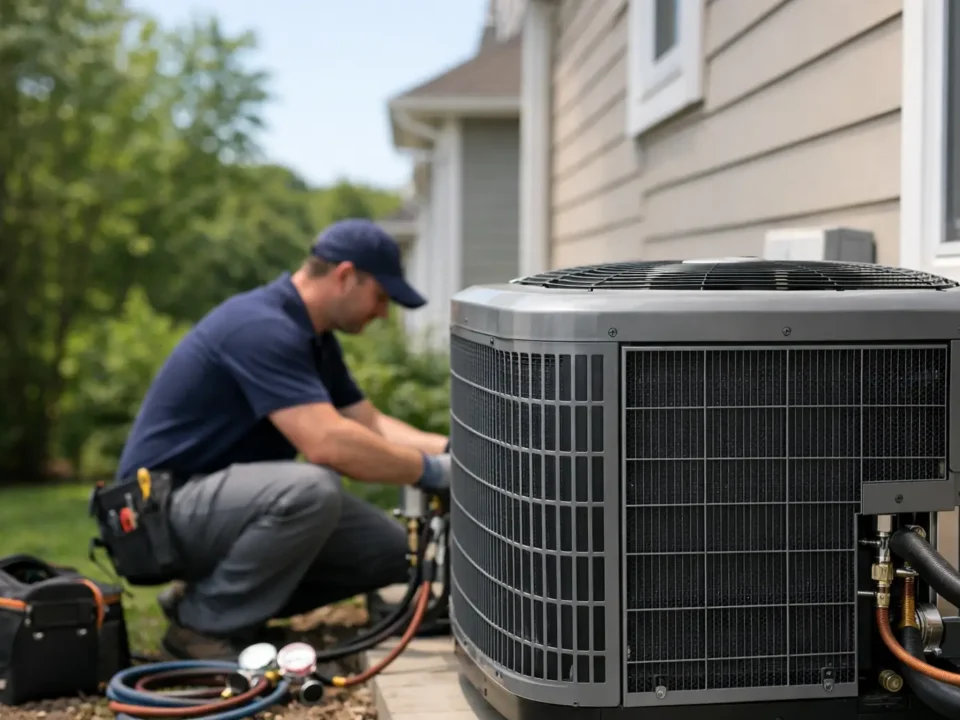
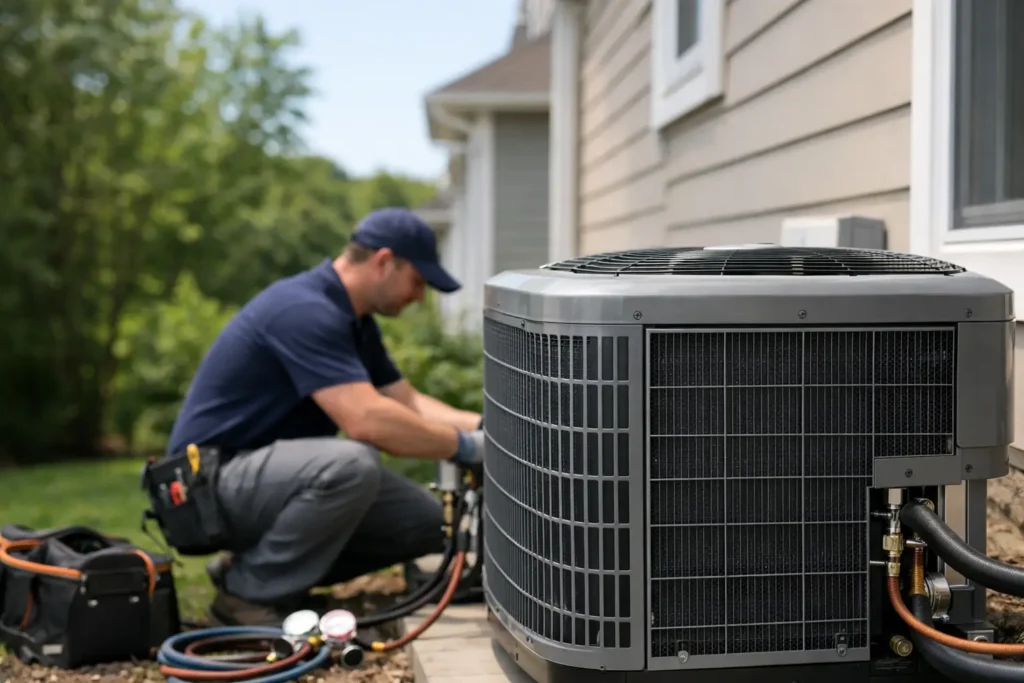
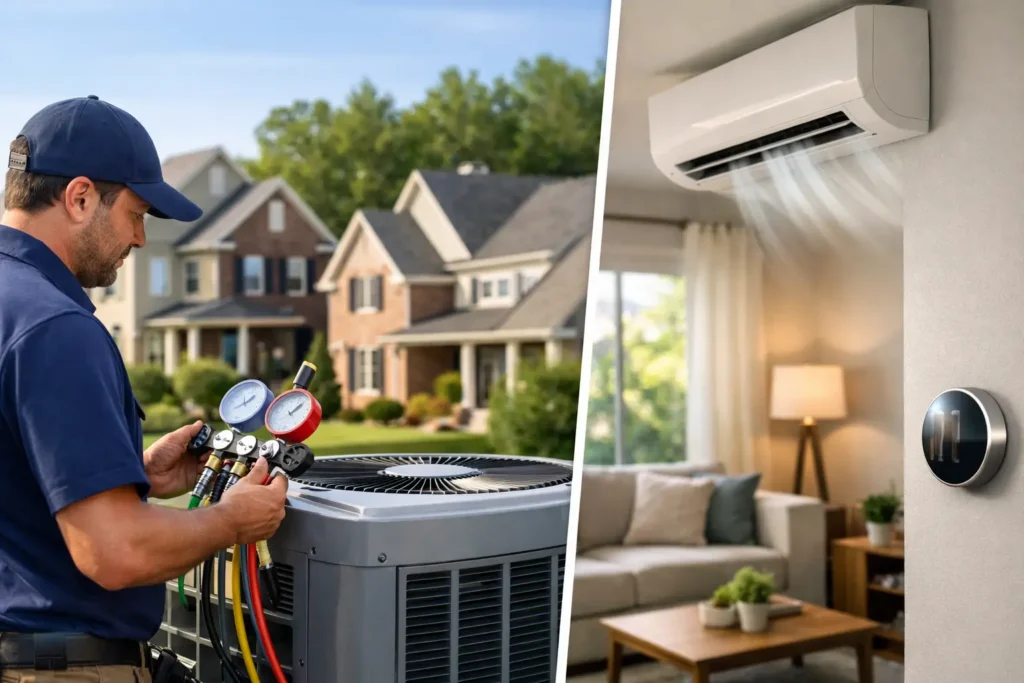
A qualified technician can check equipment performance, duct condition, airflow, refrigerant operation, and thermostat settings before recommending a solution. That assessment protects you from paying for an upgrade that does not solve the problem you actually have.
Best HVAC Upgrades for Comfort at Home or Work
Smart thermostats for better daily control
A smart thermostat is often a practical first upgrade when the HVAC system is functioning properly but comfort varies with schedules. It can automatically adjust temperatures when a home is empty, restore comfort before people return, and provide reminders for filter changes or maintenance.
The biggest benefit is control, not just energy savings. Many models allow room sensors that help the system respond to the rooms people use most. This can be helpful in a Northern Virginia home with a finished basement, a home office, or an upper-level bedroom that does not match the temperature at the main thermostat.
Still, a smart thermostat cannot fix poor airflow, leaky ducts, or failing equipment. It is a useful control upgrade, not a substitute for diagnosis and repair.
HVAC zoning for stubborn hot and cold areas
Zoning divides a building into separate temperature areas using dampers in the ductwork, multiple thermostats, and a compatible control system. Instead of treating the entire home as one space, zoning can allow the upstairs, downstairs, addition, or regularly used commercial areas to receive more tailored heating and cooling.
Zoning is especially valuable in larger homes, multi-story properties, buildings with large windows, and offices where occupancy changes throughout the day. It can reduce temperature battles and prevent the system from conditioning unused space as aggressively as occupied rooms.
Not every duct system is a good fit for zoning. The equipment must be sized and configured correctly so restricted airflow does not create pressure problems. In some cases, a ductless system for a single troublesome area is a more direct and cost-effective answer.
Variable-speed equipment for steadier temperatures
Traditional HVAC systems generally operate at one speed: on or off. Variable-speed air handlers, furnaces, and heat pumps can run at lower output for longer periods when full capacity is not needed. That slower, steadier operation can improve air circulation and help maintain more even temperatures from room to room.
For cooling season comfort, variable-speed equipment may also remove more moisture because it runs longer at a lower capacity. Many homeowners notice fewer sharp temperature swings and less of the blast-then-silence cycle associated with older single-stage systems.
This is a higher-investment upgrade, so it makes the most sense when replacing aging equipment, addressing major comfort complaints, or planning for long-term ownership. Proper sizing is critical. A professional load calculation should guide the selection instead of relying only on the size of the system being replaced.
Whole-home humidity control
Humidity has a major effect on how a space feels. In summer, excessive indoor humidity can leave rooms feeling sticky even when the thermostat is set low. In winter, air that is too dry can contribute to dry skin, irritated sinuses, static electricity, and discomfort overnight.
A whole-home dehumidifier works with the HVAC system to remove moisture more consistently than portable units. It can be a strong option for basements, homes with recurring summer humidity, and properties where the air conditioner is correctly sized but cannot keep moisture under control.
Whole-home humidifiers can improve winter comfort in dry homes, but they need proper installation and maintenance. Too much added moisture can contribute to condensation on windows or other building concerns. The goal is balanced humidity, not simply more humidity.
Better filtration and air cleaning
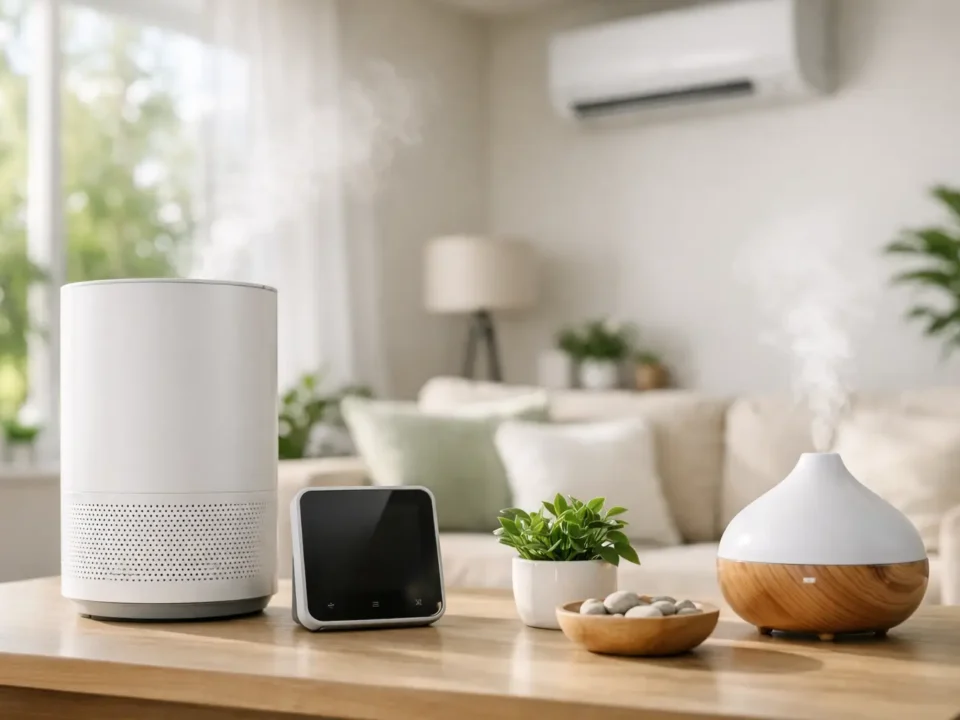
Comfort also means being able to breathe easily indoors. A properly selected high-efficiency filter can capture more dust, pollen, pet dander, and other airborne particles than a basic filter. This is particularly useful during high-pollen periods and for households with pets or allergy concerns.
The trade-off is airflow. A filter that is too restrictive for the system can reduce airflow and strain equipment. The best filter is one that improves air quality while remaining compatible with the blower and ductwork.
For properties with specific air-quality concerns, an upgraded media cabinet or professionally selected air-cleaning equipment may be worth considering. These solutions should be matched to the building’s needs rather than added as a one-size-fits-all accessory.
Duct sealing, repair, and airflow balancing
Ductwork is easy to overlook because most of it is hidden, yet it has a direct effect on comfort. Leaks, disconnected sections, poor insulation, undersized runs, and poorly adjusted registers can prevent conditioned air from reaching the rooms that need it.
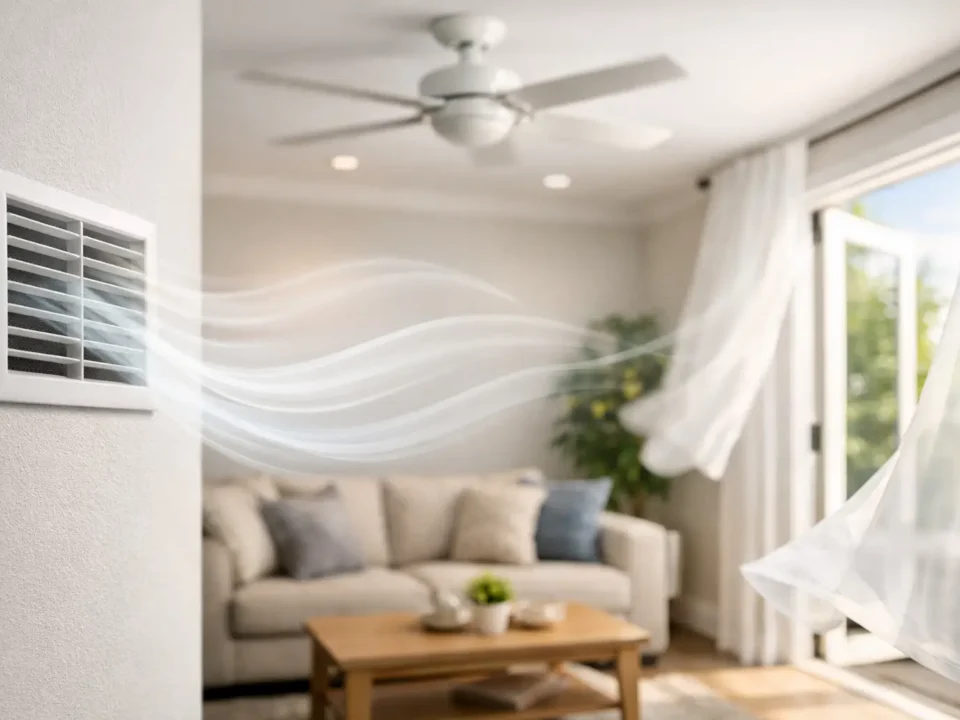
Duct sealing and repair may improve comfort without replacing the heating or cooling equipment. Airflow balancing can also help when one room receives too much air while another receives too little. This work is often valuable after a remodel, when rooms have been added or when a formerly unfinished area becomes living space.
A dirty or neglected system can create similar symptoms. Clean coils, correct blower settings, clear condensate drains, and regular filter replacement all support the airflow your equipment was designed to provide.
Ductless mini-splits for additions and hard-to-condition rooms
A ductless mini-split provides heating and cooling to a specific room or area without extending existing ductwork. It can be an effective solution for a sunroom, garage conversion, attic room, home addition, server room, or office space that never gets comfortable with the central system alone.
Because each indoor unit has its own control, ductless systems offer strong room-by-room flexibility. They are not always the preferred option for an entire home, particularly if a central system and ductwork are in good condition. But for a targeted problem area, they can avoid costly duct renovations and provide dependable comfort where it is needed.
When Replacement Is the Right Comfort Upgrade
Sometimes the best upgrade is replacing equipment that is unreliable, inefficient, or no longer properly sized for the building. Frequent repairs, escalating utility bills, loud operation, uneven temperatures, and inability to maintain comfort during extreme weather are all signs that replacement deserves a serious discussion.
A modern heat pump can be a particularly strong option for Northern Virginia properties. It provides efficient electric cooling and heating, and it can work alongside a furnace in a dual-fuel setup when conditions call for it. The right configuration depends on energy costs, existing equipment, electrical capacity, building load, and the owner’s comfort expectations.
For commercial properties, replacement decisions should also consider downtime, occupancy patterns, ventilation needs, and the impact of system failure on tenants or operations. A planned equipment project is almost always easier to manage than an emergency replacement during a heat wave or cold snap.
Choose Upgrades That Work Together
The most effective comfort improvements are often a combination of smaller, coordinated changes. For example, duct repairs and airflow balancing may make a smart thermostat more effective. A variable-speed system may deliver better results when paired with proper filtration and humidity control. A ductless unit can solve an addition’s comfort issue while allowing the main system to continue serving the original home efficiently.
AAA HVAC can evaluate the system as a whole and explain which options fit your property, budget, and timeline. The goal should be clear: reliable comfort in the rooms where people live and work, with equipment that performs as it should.
If one area of your property never feels right, do not assume you have to live with it or replace everything at once. A professional comfort assessment can turn a frustrating daily problem into a focused, practical plan.