Air Handler Versus Furnace: Which Fits Your Home?
September 16, 2026
A low-efficiency air conditioner can make itself known every time a Northern Virginia heat wave arrives: longer run times, uneven temperatures, and utility bills that climb faster than expected. This air conditioner SEER ratings guide explains what the number on a new system really means, how SEER2 has changed equipment comparisons, and how to choose efficiency without paying for features your home or business will not use.
What a SEER Rating Measures
SEER stands for Seasonal Energy Efficiency Ratio. It measures how much cooling an air conditioner provides over a typical season compared with the electricity it uses. A higher rating generally means the system uses less electricity to produce the same amount of cooling.
Think of SEER as a seasonal fuel-economy estimate, not a promise that every home will achieve identical results. Your actual operating cost also depends on outdoor temperatures, thermostat settings, insulation, window exposure, occupancy, equipment sizing, and the condition of the indoor and outdoor components.
For example, two homes may install the same high-efficiency unit. The home with significant attic heat gain, leaky supply registers, or a poorly matched indoor coil may see far less benefit than the home with a properly designed and installed system. The rating matters, but installation quality matters just as much.
SEER vs. SEER2: Why the Label May Look Different
Manufacturers began using SEER2 ratings under updated federal testing procedures in 2023. SEER2 is intended to reflect more demanding real-world operating conditions, including higher external static pressure. As a result, a SEER2 number will look lower than a roughly comparable older SEER number.
That does not mean the equipment is less efficient. It means the testing method changed. The key is to compare SEER2 to SEER2 when evaluating current systems. Avoid comparing an old brochure that lists 16 SEER with a new proposal listing 15.2 SEER2 as if they were tested under the same standard.
For central air conditioners installed in the Southeast region, which includes Virginia, current federal minimums generally require at least 14.3 SEER2 for split systems. Packaged systems have different minimums. Equipment requirements can change, and the correct rating for a project depends on the type of system being installed. A qualified HVAC technician can confirm that the equipment quoted meets current requirements.
Air Conditioner SEER Ratings Guide: What the Numbers Mean for Cost
A higher SEER2 rating can reduce cooling electricity use, especially when replacing an older system. The difference is often most noticeable when the existing unit is 10 to 12 SEER, runs frequently, or needs repeated repairs during the summer.
Still, the highest rating is not automatically the best value. A 14.3 to 15.2 SEER2 system may be a sensible, dependable choice for a homeowner who plans to move in a few years or has modest cooling demands. A 16 to 18 SEER2 system may make more sense for a long-term owner who wants lower operating costs, quieter performance, and more precise temperature control.
Systems above that range can offer impressive efficiency, but the upfront cost rises. The payback period depends on how much you use cooling, local electricity rates, the condition of the home, and whether you select communicating controls or variable-capacity equipment. For some properties, the added cost is justified. For others, the money may produce a better return when spent on correcting airflow problems, improving insulation, or choosing a properly sized mid-efficiency system.
A simple way to frame the decision is this: efficiency savings accumulate gradually, while installation cost is paid now. The right choice should work for your budget, expected length of ownership, and comfort goals.
Higher SEER Often Brings More Than Energy Savings
SEER2 is an efficiency measurement, but the equipment behind a higher rating often includes features that affect daily comfort. Many higher-efficiency systems use two-stage or variable-capacity compressors. Instead of switching only fully on or fully off, they can operate at lower levels for longer periods.
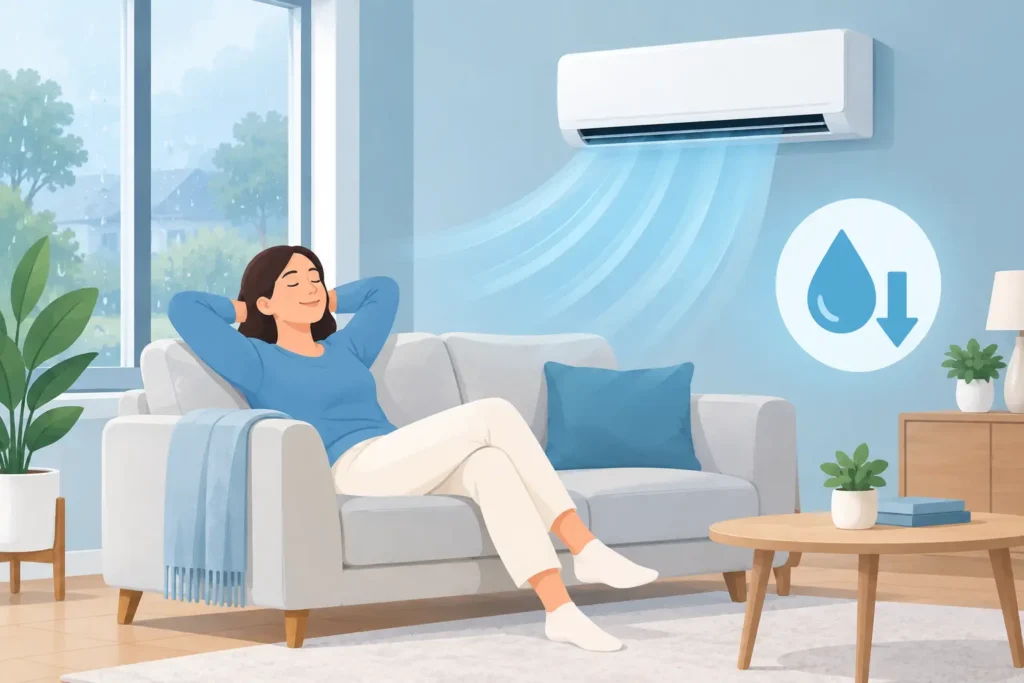
That longer, gentler operation can improve temperature consistency and humidity removal. This can be especially valuable in Northern Virginia, where a humid 78-degree day can feel uncomfortable even when the thermostat says the temperature is under control.
Higher-rated systems may also operate more quietly and pair with advanced thermostats. Those are meaningful benefits, but they are not universal. A basic single-stage system can still provide reliable cooling when it is correctly selected, installed, and maintained. Ask which comfort features are included in a proposal rather than assuming every high-SEER2 model has the same capabilities.
Do Not Choose a System by SEER2 Alone
The equipment label is only one part of a replacement decision. Before recommending a new air conditioner, a professional should evaluate the home or building, not simply match the size of the unit being removed. Older equipment may have been oversized, undersized, or selected before renovations, additions, replacement windows, or occupancy changes.
Proper sizing is critical. An oversized air conditioner may cool the space quickly but shut off before removing enough humidity. It can also cycle more often, increasing wear. An undersized unit may run continuously on the hottest days and still struggle to maintain the desired temperature.
The indoor coil, blower, refrigerant line set, condensate drainage, and electrical connections also need to be compatible with the outdoor unit. Installing a high-efficiency condenser with a mismatched coil can reduce performance and may affect warranty coverage. This is why a low quote based on a single model number is not always the better deal.
For commercial properties, the same principle applies at a larger scale. Cooling loads can shift due to new equipment, server rooms, operating hours, tenant changes, or changes in the number of people using the space. Facility decision-makers should prioritize equipment that supports reliable uptime and can be serviced without unnecessary complexity.
Questions to Ask Before Approving an Estimate
A clear estimate should make it easy to compare systems without forcing you to decode technical language. Before choosing an option, ask what the listed SEER2 rating is and whether the rating applies to the complete matched system. Confirm the equipment capacity, compressor type, warranty terms, and what installation work is included.
It is also wise to ask why a particular size was recommended, whether your existing indoor equipment can remain in place, and what maintenance the system will need to preserve performance. If financing is part of the decision, compare the total project cost and monthly payment rather than focusing on either figure alone.
A trustworthy contractor should be prepared to explain the trade-offs between options. The goal is not to sell the highest number available. It is to install a system that cools dependably, fits the property, and makes financial sense.
Protect the Efficiency You Pay For
Even the best SEER2 rating cannot overcome neglected maintenance. A clogged filter restricts airflow. A dirty outdoor coil makes it harder for the system to release heat. Low refrigerant caused by a leak, blower problems, and blocked condensate drainage can all reduce cooling performance and create avoidable repair risks.
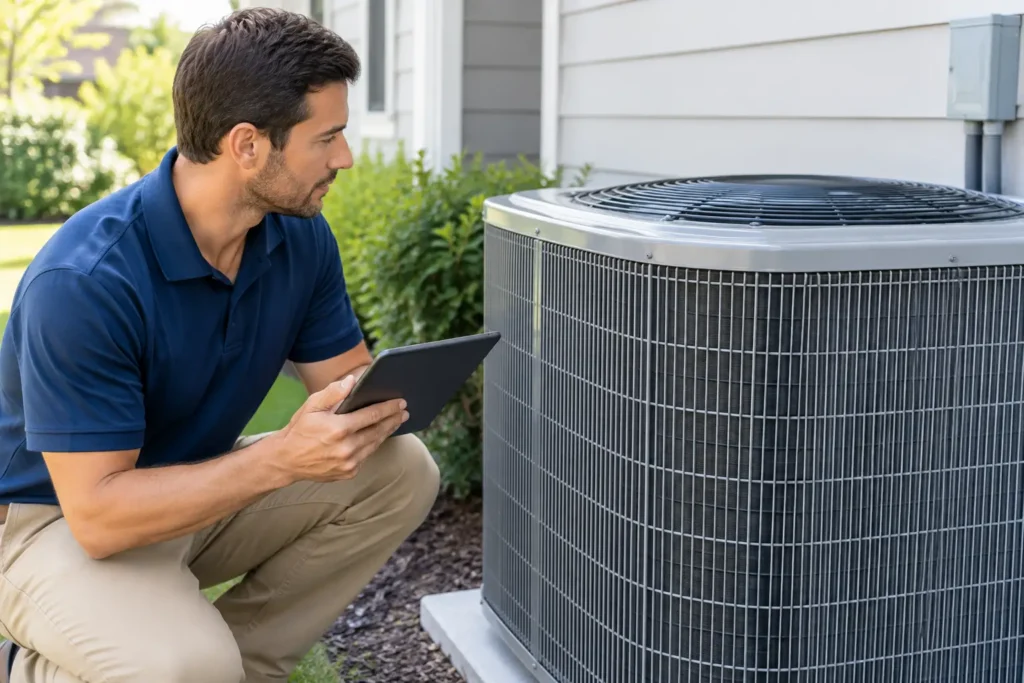
Check filters regularly during cooling season and keep the area around the outdoor unit free of leaves, grass, and stored items. Schedule professional preventive maintenance before heavy summer use whenever possible. During a service visit, a trained technician can inspect electrical components, refrigerant performance, airflow, drainage, and overall operation before a small issue becomes an urgent breakdown.
If your current system is older, needs frequent repairs, or cannot keep up on hot afternoons, do not rely on SEER2 alone to decide what comes next. A careful system evaluation gives you a clearer answer – and a better chance of enjoying reliable comfort when you need it most.