Why Does AC Smell Musty? Causes and Fixes
October 6, 2026
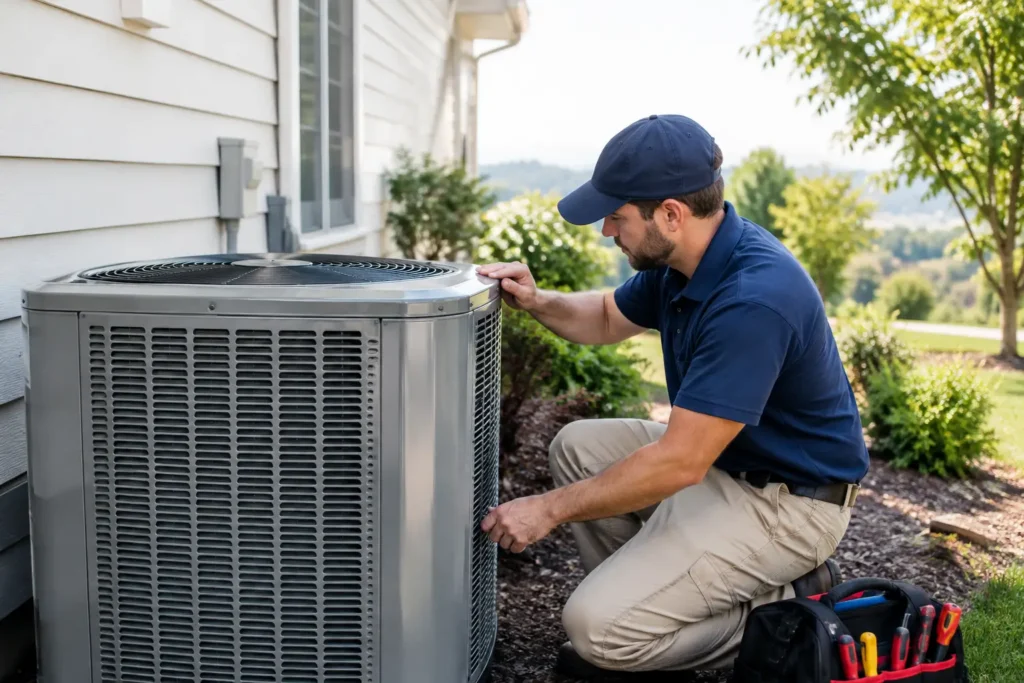
A July heat wave in Northern Virginia is a tough time to learn that an air conditioner was selected for a price tag instead of for the home. When homeowners ask about the best AC brands Northern Virginia has to offer, the honest answer is not one name. The right choice depends on the home’s size, insulation, ductwork, comfort priorities, budget, and the quality of the installation.
A well-matched system from a dependable manufacturer can deliver years of efficient cooling. An oversized or poorly installed premium unit can short-cycle, leave rooms humid, and create avoidable repair costs. Brand matters, but professional sizing, installation, and maintenance matter just as much.
What Makes an AC Brand a Good Choice Here?
Northern Virginia puts central air systems through changing demands. The cooling season brings humid days, sudden storms, and stretches of high temperatures. Many homes also have multiple levels, sun-exposed rooms, additions, or older insulation that make even cooling more challenging.
For local homeowners and property managers, a good air conditioning brand should offer reliable equipment, practical efficiency options, readily available replacement parts, and warranty coverage worth understanding. It should also have models that can be correctly matched to the existing system and the building’s real cooling load.
High efficiency is valuable, but it is not automatically the best investment for every property. A homeowner planning to stay in a home for many years may reasonably prioritize a higher-efficiency, variable-speed system. A landlord replacing equipment in a rental property may need a durable, serviceable system with a sensible upfront cost. The best recommendation starts with those goals.
Best AC Brands Northern Virginia Buyers Should Compare
Carrier
Carrier is widely known for a broad lineup of central air conditioning systems, from straightforward single-stage units to premium variable-speed equipment. That range makes it a strong option for homeowners who want choices rather than a one-size-fits-all recommendation.
Carrier’s higher-end models can provide quieter operation and more consistent temperatures, especially when paired with compatible indoor equipment and controls. The trade-off is cost. Advanced systems may be worthwhile for comfort-focused homeowners, but a properly installed mid-tier Carrier system can be the more sensible choice for many households.
Trane
Trane has a long-standing reputation for durable residential HVAC equipment. It is often a good brand to consider when reliability and solid construction are at the top of the list. Its product line includes efficient systems at several price points, so homeowners do not necessarily need to choose the most expensive model to get dependable cooling.
Trane can be a particularly practical fit for homeowners replacing an aging system and looking for a familiar, established manufacturer. As with any brand, confirm that the selected outdoor unit, indoor coil, thermostat, and furnace or air handler are designed to work together. System compatibility affects both performance and warranty coverage.
Lennox
Lennox is often considered by buyers who want high-efficiency options and advanced comfort features. Some models are designed for very quiet operation and precise temperature control, which can make a noticeable difference in bedrooms, home offices, and living areas that tend to run warm.
The consideration with Lennox is that premium performance comes at a premium price. Availability of specific parts and the service experience can also vary by model and local supply conditions. It is a brand worth evaluating for long-term comfort goals, not simply because its top efficiency ratings look impressive on paper.
Rheem
Rheem offers a balanced mix of reliability, efficiency, and value. It is frequently a strong choice for homeowners who want a quality replacement system without moving into the highest-priced equipment category. Its lineup includes dependable single-stage systems as well as more advanced options for improved comfort and energy performance.
For many Northern Virginia homes, Rheem can offer a practical middle ground. The key is selecting the correct capacity and efficiency level instead of paying for features the household is unlikely to use or notice.
American Standard
American Standard is closely associated with Trane technology and is commonly considered alongside it. The brand offers durable equipment and a range of comfort levels, including systems designed to reduce temperature swings and control humidity more effectively.
This can be a smart option when a homeowner values long-term dependability but wants to compare pricing and available features across similar equipment families. Ask for a clear explanation of the model being proposed, its efficiency rating, and what is included in the complete installed system.
Goodman and Daikin
Goodman and Daikin are often discussed together because they are part of the same company family, though their product offerings and positioning can differ. Goodman is commonly selected for value-conscious replacement projects, while Daikin offers a wider range of equipment, including higher-efficiency and inverter-driven options.
These brands can be good fits when budget is a major factor, but the installer is especially important. Proper refrigerant charging, airflow setup, electrical connections, and startup testing are essential to getting the expected life and efficiency from any system. A lower upfront price should not mean shortcuts in the installation process.
Look Beyond the Name on the Outdoor Unit
The brand badge is only one part of the buying decision. Before choosing an air conditioner, ask whether the contractor has performed a proper load calculation. Square footage alone does not determine the correct system size. Window exposure, ceiling height, insulation, occupancy, duct condition, and the home’s layout all affect cooling needs.
An oversized AC can cool the thermostat area too quickly and shut off before it removes enough moisture from the air. The result can be rooms that feel cool but clammy. An undersized system may run for long periods and struggle during the hottest afternoons. Correct sizing protects comfort, energy use, and equipment life.
Efficiency ratings deserve context, too. Higher SEER2 ratings generally mean lower electricity use, but actual savings depend on how the system is installed and operated. A variable-speed system may improve comfort by running at lower speeds for longer periods, but it costs more initially and may not be necessary in every home.
For commercial properties, the same principle applies on a larger scale. A restaurant, office, retail space, or multifamily building has operating hours, occupancy patterns, equipment heat, and ventilation needs that differ from a typical house. Equipment should be selected for the building’s demands, not just its square footage.
Questions to Ask Before Approving an AC Replacement
A replacement proposal should be easy to understand. You should know the exact model, capacity, efficiency rating, warranty terms, and scope of work before installation begins. It should also identify whether the indoor coil, line set, drain system, pad, electrical components, or thermostat need attention.
Ask how the system will address any existing comfort complaint. If an upstairs bedroom has always been hot or the home feels humid every summer, simply replacing the outdoor unit may not solve the underlying issue. Airflow, return capacity, zoning, thermostat location, and insulation may need to be evaluated.
Also ask about registration requirements for the manufacturer’s warranty. Many equipment warranties require timely registration, and labor coverage is often separate from parts coverage. Knowing the difference prevents surprises if a repair is needed later.
Protect the Investment After Installation
Even the best air conditioner needs routine professional maintenance. Seasonal service helps identify worn electrical components, drainage problems, refrigerant concerns, and airflow issues before they lead to a no-cooling call. It also gives a technician the opportunity to verify that the system is operating as intended.
Homeowners can help between visits by keeping the outdoor unit clear of leaves and debris, changing filters on schedule, and paying attention to new noises, reduced airflow, uneven temperatures, or water around the indoor equipment. Those signs are easier and less expensive to address early.
AAA HVAC helps Northern Virginia homeowners and businesses compare replacement options based on comfort needs, building requirements, and budget, with NATE-certified technicians available for installation, repairs, and preventive maintenance. When the heat is already building, a clear recommendation and dependable service matter more than a sales pitch.
Choose the AC brand that fits the home, then make sure the installation is handled with the same care as the equipment selection. That is what turns a new air conditioner into reliable comfort when you need it most.