How to Fix AC Drain Problems Before Water Spreads
October 4, 2026
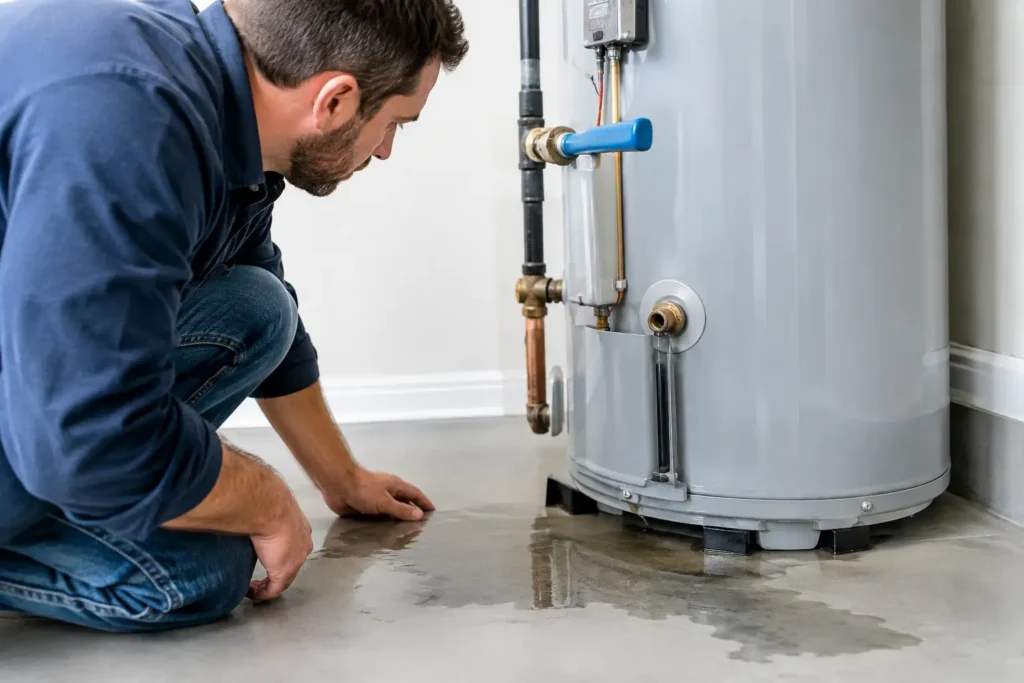
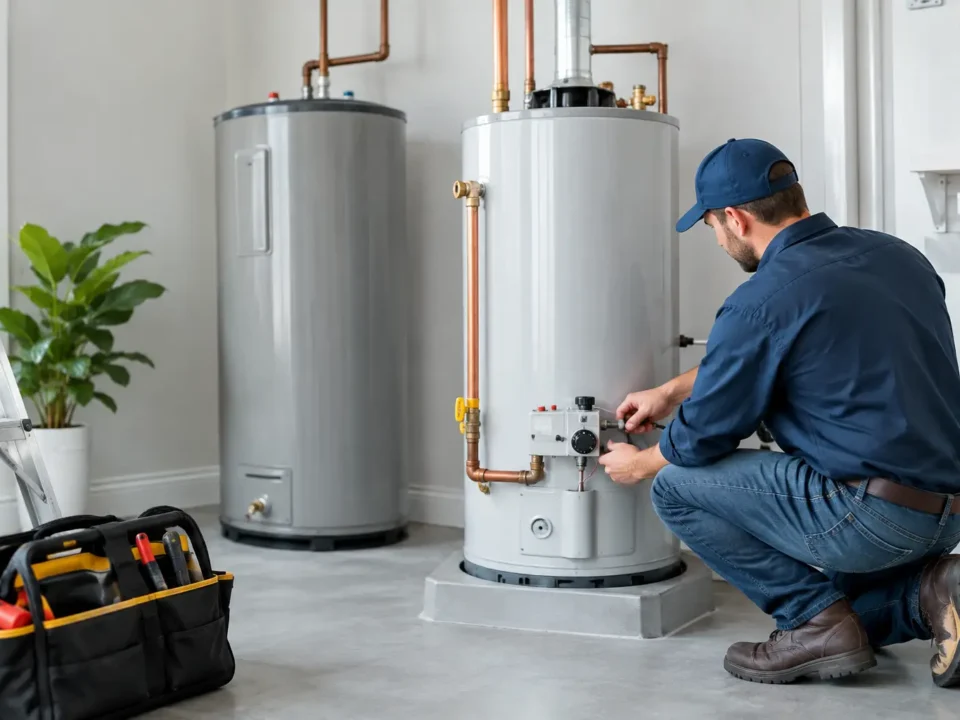
A small puddle beside a water heater can turn into soaked flooring, damaged drywall, and an interrupted hot-water supply much faster than most property owners expect. Water heater leaks are not always an immediate emergency, but they should never be ignored. The source of the water, the type of heater, and the amount of leaking all determine whether a simple repair may solve the problem or whether replacement is the safer investment.
For homeowners and property managers, the first priority is limiting water damage and protecting everyone in the building. Once the area is safe, a qualified water heater technician can identify the cause and give you clear options.
What to Do When You Find a Water Heater Leak
Start by looking at how much water is present. If there is active pooling, water flowing across the floor, or moisture near electrical components, act quickly. Turn off the water supply to the heater using the cold-water shutoff valve above the unit when possible. For a gas water heater, turn the gas control to the off position. For an electric model, shut off power at the breaker before touching the unit or the surrounding water.
Do not remove panels, loosen fittings, or attempt to drain a hot tank unless you know it is safe to do so. Water inside the unit can be extremely hot, and an incorrect step can create a burn, gas, or electrical hazard. Move stored items away from the leak, place towels or a pan under a minor drip if safe, and document visible damage for your records.
A leak from the tank itself usually calls for prompt professional attention. A leaking connection or valve may be repairable, but waiting to find out can make a manageable issue much more expensive.
Where Water Heater Leaks Usually Start
Water does not always leak from the place it first appears on the floor. It can run down pipes, insulation, or the outside of the tank before collecting at the base. Dry the exterior carefully and look for fresh moisture to help narrow down the source.
The cold-water inlet or hot-water outlet
Connections at the top of the heater can drip because of a loose fitting, worn seal, or corrosion. These leaks are often repairable, particularly when caught early. Still, corrosion around a connection can indicate a longer-term issue that should be evaluated rather than simply tightened.
The temperature and pressure relief valve
The temperature and pressure relief valve, often called the T&P valve, is a safety device designed to release water if pressure or temperature inside the tank rises too high. A small amount of discharge can happen during certain conditions, but repeated dripping or steady flow needs attention.
The valve itself may be worn. In other cases, it may be doing its job by alerting you to excessive pressure or overheating. Replacing the valve without diagnosing the reason it opened can leave the real safety concern unresolved.
The drain valve near the bottom
A slow drip from the drain valve can occur when the valve does not close fully, its internal seal fails, or sediment interferes with the connection. This may be a relatively straightforward repair, but it should not be left to drip for weeks. Continuous moisture can damage nearby materials and conceal a worsening tank problem.
Condensation or discharge from a high-efficiency unit
Not every puddle means the tank is leaking. In humid weather, cold water entering a tank can create condensation on the exterior. Some high-efficiency equipment also produces condensate as part of normal operation. The key difference is volume and consistency. Condensation is generally light and temporary, while a true leak tends to continue or worsen.
A leak from the bottom of the tank
Water collecting underneath the tank is the issue that deserves the most caution. Sediment can build up inside a tank over time, especially in areas with mineral-rich water. That buildup can contribute to corrosion and eventually damage the tank lining. Once the tank itself has rusted through, repair is rarely reliable. Replacement is typically the practical solution.
Why a Water Heater May Leak Without Warning
Most water heaters show subtle signs before a major failure, but those signs are easy to miss in a utility room, basement, closet, or mechanical space. Rust-colored water, popping or rumbling sounds, reduced hot-water capacity, and moisture around the base all warrant a closer look.
Age also matters. Traditional tank water heaters commonly last around eight to 12 years, though maintenance history, water quality, usage, and installation conditions can move that range in either direction. A six-year-old unit with a leaking valve may have plenty of service life left. A 14-year-old unit with corrosion at the base may not justify repeated repair costs.
For commercial properties, even a minor leak deserves prompt action. Hot-water interruptions can affect tenants, staff, customers, cleaning operations, and daily business routines. Addressing the issue early helps protect uptime and gives decision-makers more control over repair or replacement timing.
Repair or Replacement: How to Make the Right Call
A qualified inspection should focus on the exact source of the leak, the condition of the tank, and the age and overall performance of the system. A repair may make sense when the issue is limited to an accessible connection, valve, or fitting and the water heater is otherwise in good condition.
Replacement becomes more likely when the tank is corroded, leaking from its body, nearing the end of its expected lifespan, or requiring frequent repairs. While replacement has a higher upfront cost, it can prevent repeated service calls and a much larger water-damage event later.
It also creates an opportunity to select equipment that fits the property’s actual hot-water needs. An undersized unit can leave a busy household or commercial space short on hot water. An oversized system can cost more to purchase and operate than necessary. The right recommendation should account for demand, fuel type, available space, efficiency goals, and budget.
How to Reduce the Risk of Future Water Heater Leaks
Preventive maintenance cannot guarantee that a tank will never fail, but it can help identify developing problems before they become urgent. Regular service gives a technician the opportunity to inspect valves and connections, check for corrosion, assess safety components, and evaluate sediment buildup.
Keep the area around the water heater clear and easy to access. Stored boxes, paint cans, and household items can hide small leaks and delay inspection. If the unit is installed in a finished area or above a damage-sensitive space, consider added protection such as a properly installed drain pan and leak detection device.
Pay attention to changes in performance. If hot water runs out sooner than usual, the unit makes new noises, or you notice discoloration in the water, schedule an evaluation before a leak forces an emergency decision. Property managers may also benefit from maintaining a record of each water heater’s installation date, service history, and observed issues.
When to Schedule Water Heater Service Right Away
Call for service promptly if you see water around the tank, repeated discharge from the relief valve, visible rust, or a steady drip from any connection. Same-day service is especially appropriate when the leak is active, water is spreading, or the heater must be shut down to keep the property safe.
AAA HVAC provides water heater repair and replacement support for homeowners and businesses throughout Northern Virginia. Clear diagnosis matters: you should know whether a repair is expected to solve the issue, what replacement would involve if needed, and what can be done to prevent the problem from returning.
A water heater does not need to flood a room to deserve attention. Acting when the first drop appears gives you the best chance to protect your property, preserve your hot-water service, and make the next decision on your terms.