When Same Day HVAC Service Really Matters
June 12, 2026
Choosing a Commercial HVAC Repair Company
June 14, 2026

At 2 a.m., a furnace failure is not a minor inconvenience. In a Northern Virginia winter, it can turn into frozen pipes, unsafe indoor temperatures, and a very long night for your family, tenants, or building occupants. That is why 24 hour furnace repair matters. When the heat stops, you need a fast response, a clear diagnosis, and a repair that solves the problem instead of delaying it.
For homeowners, the first concern is usually comfort and safety. For property managers and commercial clients, there is also the pressure of protecting equipment, avoiding tenant complaints, and keeping operations running. In both cases, emergency heating service is about more than speed. It is about getting qualified help from a technician who can identify the issue correctly and explain the next step without wasting time.
When 24 hour furnace repair is the right call
Not every furnace problem has to be treated like an emergency, but some absolutely do. If your furnace will not turn on at all and outdoor temperatures are dropping, that is a clear reason to call. The same is true if the system is blowing cold air for an extended period, short cycling repeatedly, or making loud banging, screeching, or grinding noises.
You should also act quickly if you notice a burning smell that does not go away after startup, frequent breaker trips, or signs that your carbon monoxide detector has gone off. In those situations, turn the system off and get professional help right away. Waiting until regular business hours can increase risk and may turn a repairable issue into a larger system failure.
There are also gray areas. If one room is cooler than the rest, the problem could be airflow, insulation, or duct balancing rather than an emergency furnace breakdown. If the filter is clogged and the furnace is still running, replacing the filter may restore performance. The key is knowing the difference between a minor issue and a system that is failing under load.
What usually causes a furnace to fail at night
Furnaces rarely choose a convenient time to break down. They tend to fail when demand is highest, which is often overnight or early morning when outdoor temperatures are lowest. That timing is not random. The system is cycling harder, older components are under more stress, and small weaknesses finally show up.
One common cause is ignition failure. In a gas furnace, the igniter or pilot-related components may stop working, which means the burners never light. Another frequent issue is a malfunctioning flame sensor. If the sensor cannot verify proper burner operation, the furnace may shut itself down as a safety precaution.
Blower motor problems are also common in emergency calls. If the blower cannot move air through the system, the furnace may overheat and trip a limit switch. Dirty filters can contribute to this, but so can worn capacitors, failing motors, or electrical control issues. On older systems, the heat exchanger, inducer motor, or control board may also be involved.
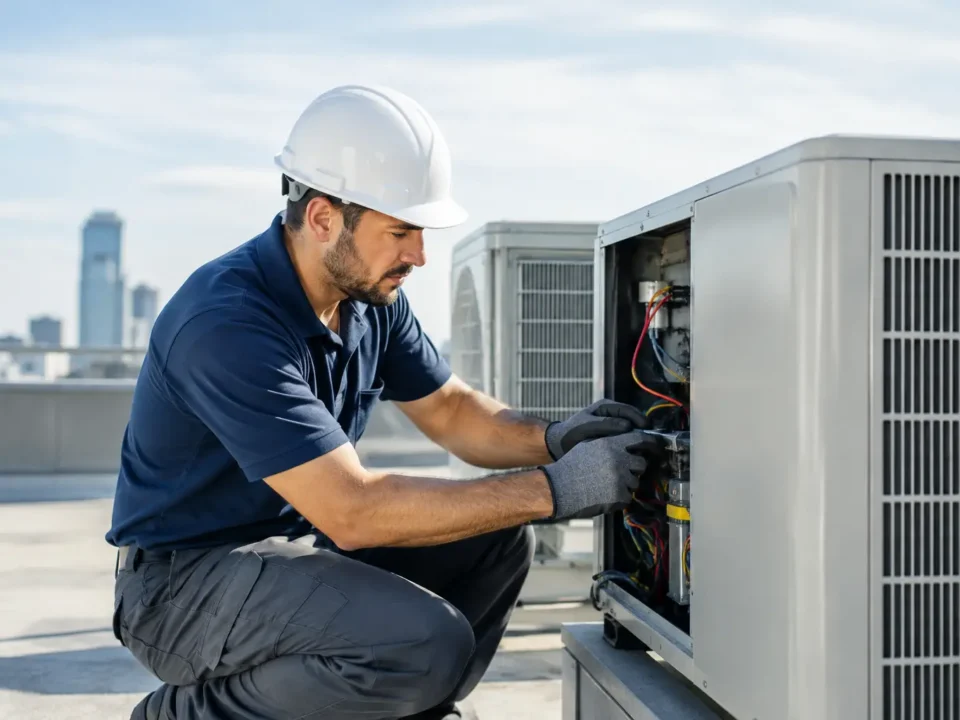
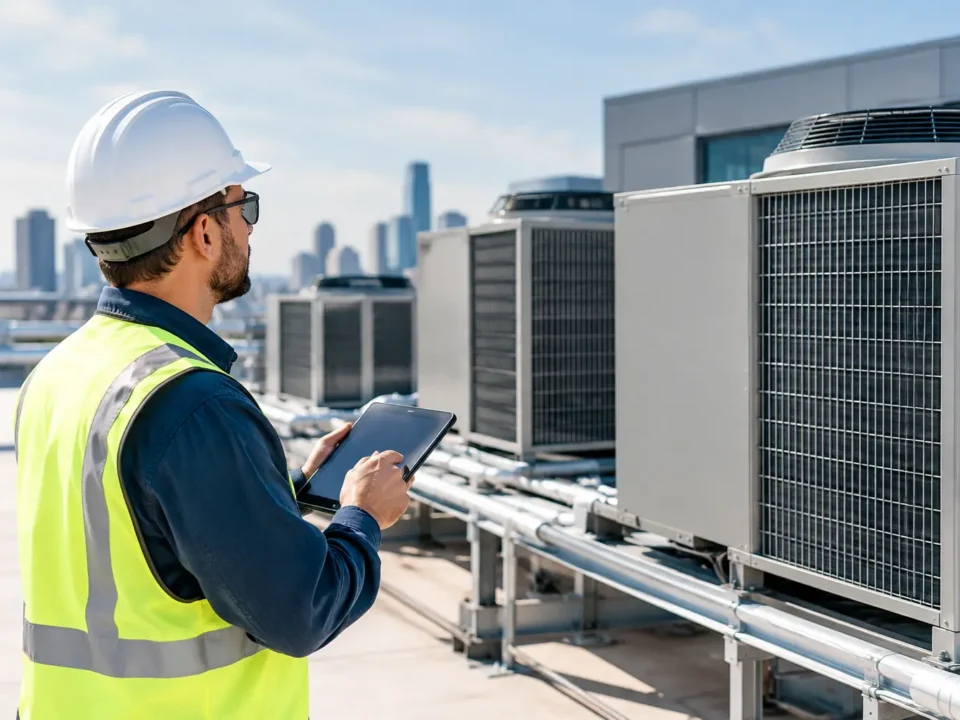
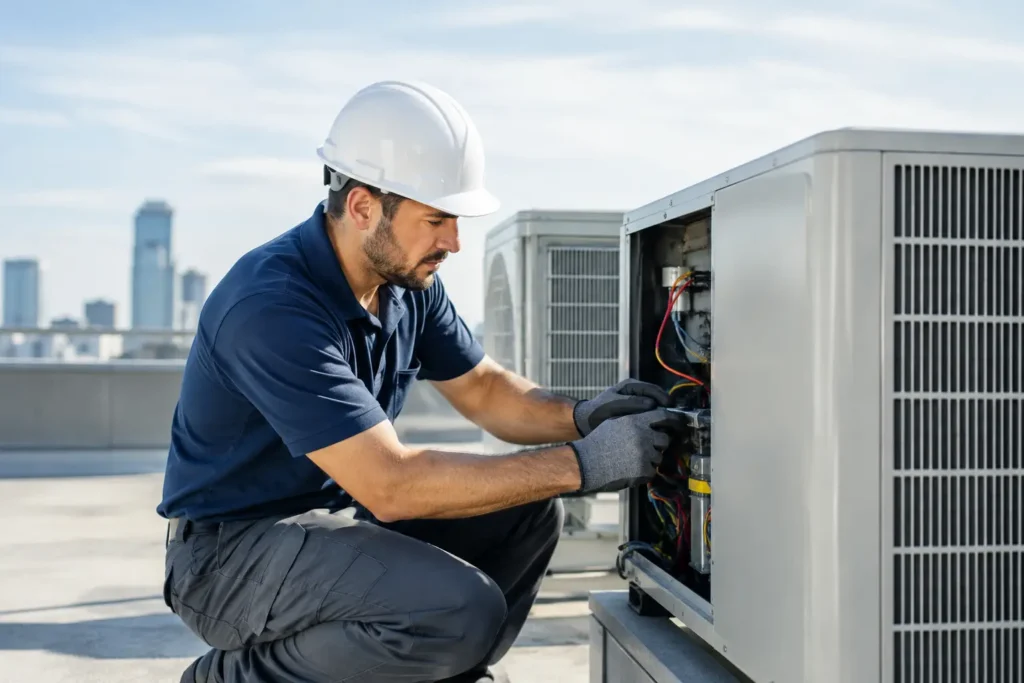
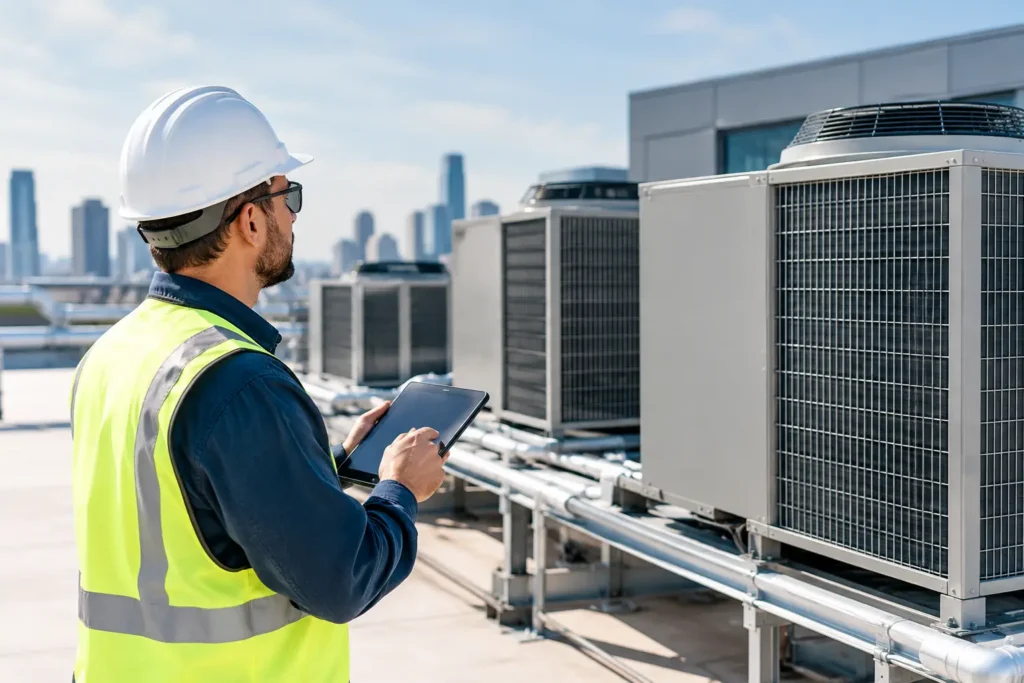
In commercial settings, the problem can be more complicated. Larger systems may involve rooftop units, zoning controls, or building management components. A no-heat call at a business is not always just a furnace issue. It can involve power supply, thermostat communication, or multiple related failures that need a trained approach.
What to do before the technician arrives
A few basic checks can save time, and in some cases, they can solve the problem. Start with the thermostat. Make sure it is set to heat, the temperature is raised above room level, and the batteries are not dead if the model uses them. Then check the power switch near the furnace and confirm the breaker has not tripped.
Next, inspect the air filter. If it is heavily clogged, replace it. Restricted airflow can cause overheating and shutdowns. If you have a high-efficiency furnace, look for a blocked condensate drain or intake and exhaust vent issue, especially after snow, ice, or heavy wind.
That said, there is a limit to safe troubleshooting. If you smell gas, hear metal-on-metal sounds, or see signs of scorching, do not keep resetting the system. Turn it off and wait for a qualified technician. Emergency service is there for a reason.
What a good emergency repair visit should look like
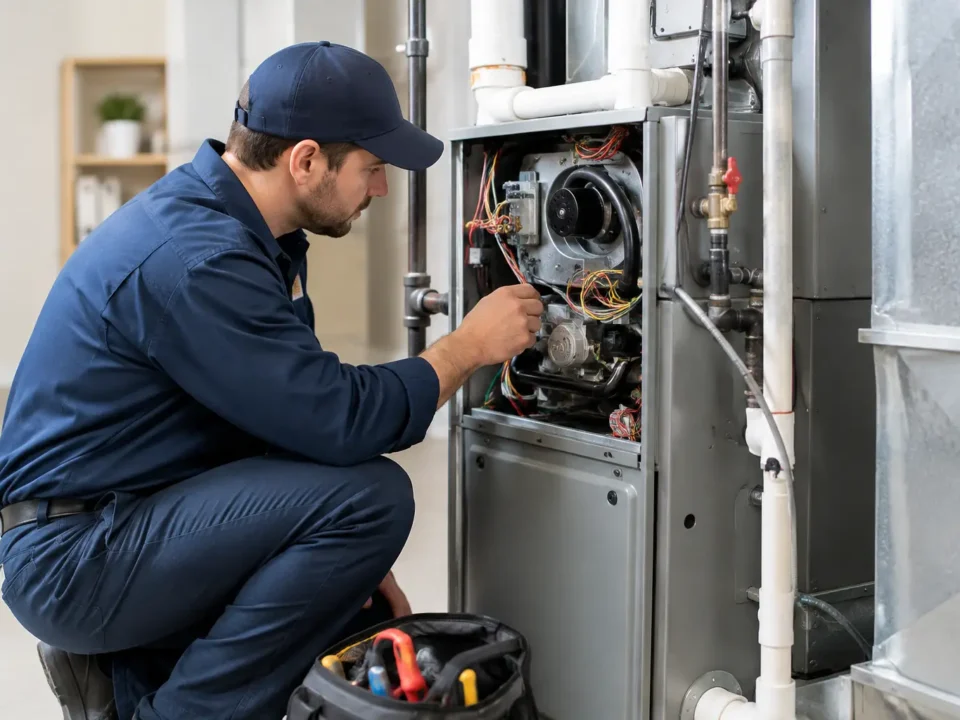
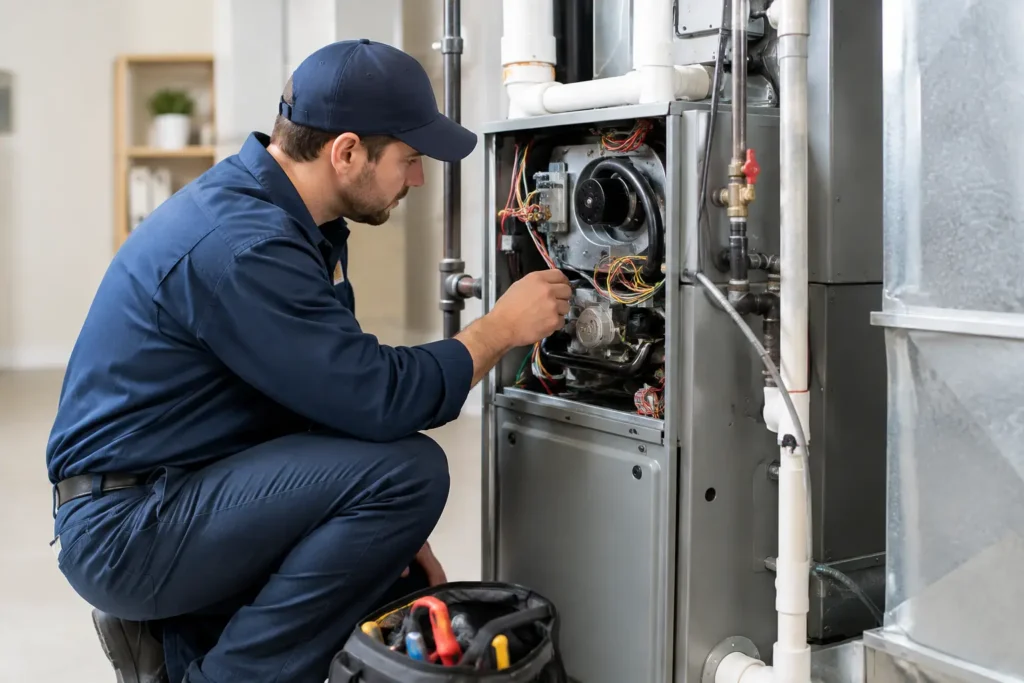
A reliable 24 hour furnace repair call should feel organized, not chaotic. The technician should start with system safety, confirm the symptoms, and test the furnace in a logical sequence. That includes checking thermostat operation, power, ignition, airflow, safety switches, and component performance.
Clear communication matters just as much as technical skill. You should know what failed, whether the repair is safe to complete immediately, and whether there are any signs of bigger system wear. If parts are available and the issue is straightforward, many emergency problems can be resolved on the first visit. If the furnace is older or multiple components are failing, the technician should explain the trade-off between repairing it now and planning for replacement soon.
This is where certifications and accountability matter. A NATE-certified technician brings a stronger technical foundation to the diagnosis, and a company that stands behind its repairs reduces the risk of paying for a temporary fix. In an emergency, trust is not a bonus. It is part of the service.
How much 24 hour furnace repair may cost
Emergency furnace repair usually costs more than a daytime service visit, but the total depends on the actual problem. A simple fix such as a flame sensor cleaning, thermostat issue, or capacitor replacement will cost less than a blower motor, inducer assembly, or control board repair. After-hours labor rates, system age, and part availability also affect price.
The cheapest option is not always the best option. If a furnace is 15 to 20 years old and needs a major repair in the middle of winter, it may make more sense to restore temporary operation if possible and then evaluate replacement. On the other hand, if the system is otherwise in good condition, a targeted repair can be the smarter financial move.
For commercial clients, cost should be weighed against downtime. A building without reliable heat can affect employees, customers, equipment, and lease obligations. Fast, accurate repair often saves money by preventing larger disruption.
Why fast furnace service matters in Northern Virginia
Cold weather in Reston and the surrounding Northern Virginia area can put real strain on heating systems, especially during overnight temperature drops and winter storms. Homes with heat pumps often rely on auxiliary heat when temperatures fall, while gas furnaces may run longer cycles than usual. If the system is already overdue for service, that extra demand can expose weak components quickly.
There is also the issue of property protection. A prolonged heating outage can increase the risk of frozen pipes, moisture problems, and secondary damage that goes far beyond the furnace itself. For landlords and property managers, response time is not just a customer service issue. It is part of protecting the asset.
That is why many local customers look for a provider that can handle both urgent repair and long-term system support. A company like AAA HVAC serves that need by offering 24/7 access, same-day availability when possible, and technicians trained to work across residential and commercial heating systems.
How to reduce the chance of another midnight breakdown
Emergency repairs solve the immediate problem, but prevention is what lowers the odds of repeat calls. Annual heating maintenance is the most practical place to start. A proper tune-up can catch ignition wear, airflow restrictions, failing electrical parts, and safety concerns before the system is pushed to its limit.
Filter changes matter more than many people realize. A dirty filter restricts airflow, raises system stress, and can trigger overheating problems. Thermostat performance, venting condition, and blower operation should also be checked regularly, especially in older systems.
If your furnace has needed multiple repairs in the last two seasons, pay attention to the pattern. Repeated service calls may mean the unit is becoming unreliable, even if each individual repair seems manageable. Planning ahead is almost always less expensive and less stressful than waiting for another overnight failure.
A warm building should not depend on luck. When your furnace stops in the middle of the night, the right response is fast, qualified repair from a team that treats the problem with urgency and takes responsibility for the outcome.