How Much Does AC Repair Cost?
June 11, 2026
24 Hour Furnace Repair When Heat Can’t Wait
June 13, 2026

A failed AC at 5 p.m. on a humid Northern Virginia evening is not a minor inconvenience. Neither is a furnace that stops working before the temperature drops overnight. When comfort systems go down, most people are not looking for theory – they are looking for same day HVAC service that shows up, diagnoses the problem clearly, and gets the system back online as quickly as possible.
Fast service matters, but speed alone is not the whole story. The better question is what same-day service actually means for your home or building, and when it is worth prioritizing over a later appointment. In many cases, the answer comes down to risk. A delayed repair can mean a more uncomfortable home, interrupted business operations, added wear on equipment, and in some situations, safety concerns.
What same day HVAC service should actually include
Same-day availability should mean more than a company taking your call and promising to “fit you in.” It should mean a real path to diagnosis and repair within hours, not days. That starts with responsive scheduling, but it also depends on technician training, stocked service vehicles, and a process built for urgent calls.
For homeowners, that often means getting help when the AC stops cooling, the furnace will not start, the thermostat is unresponsive, or airflow suddenly drops. For commercial properties, the urgency may be tied to tenant comfort, server rooms, customer-facing spaces, or occupancy requirements. The problem may look different, but the need is the same – restore reliable heating or cooling without unnecessary delay.
A dependable provider should also be honest about what can and cannot be completed in one visit. Some issues can be repaired immediately. Others may require ordered parts or a larger system decision. Same-day service is still valuable in those cases because it gives you a fast diagnosis, immediate next steps, and a plan to limit damage or downtime.
When same day HVAC service is worth the call
Not every HVAC issue is an emergency, but many are urgent enough that waiting is the wrong move. If your system is blowing warm air during peak summer heat, shutting off unexpectedly, making loud mechanical noises, or refusing to turn on at all, a same-day appointment is usually justified.
The same is true if you smell something unusual from the unit, notice water pooling around indoor equipment, or see repeated breaker trips when the system starts. Some of these issues point to a repair problem. Others may signal an electrical concern, restricted drainage, frozen coils, or failing components. A quick response helps narrow the issue before it gets more expensive.
There is also an “it depends” category. Maybe your upstairs rooms are warm but the system still runs. Maybe your rooftop unit is cycling more than usual, but the building is technically comfortable. In those cases, the urgency depends on weather, occupancy, system age, and whether the unit has a history of breakdowns. A property manager may not treat that the same way a homeowner with a newborn or an elderly family member would.
Why waiting can cost more than the repair
One of the biggest misconceptions around HVAC problems is that if the system is still partially working, it is safe to postpone service. Sometimes that is true. Often, it is not.
An AC struggling with low airflow may be dealing with a clogged filter, a failing blower motor, or an evaporator coil issue. A furnace that starts and stops rapidly could be facing a flame sensor problem, airflow restriction, or control issue. Keep forcing the system to run under those conditions, and you may turn a smaller repair into a larger one.
There is also the comfort cost. In homes, that means sleepless nights, poor indoor air conditions, and stress around whether the system will make it through the next day. In commercial spaces, it can mean complaints, lost productivity, and pressure on staff to manage a building issue they cannot fix themselves. Same-day response helps stop the guessing.
What to expect during a same-day visit
A professional same-day service call should feel organized from the first phone conversation. The dispatcher should ask practical questions about the symptoms, the equipment type, and any immediate concerns like burning smells, complete loss of cooling, or no heat. That helps prioritize urgency and prepare the technician.
Once on site, the technician should inspect the system, confirm the cause of the issue, and explain the repair in plain language. That matters because speed is only helpful if the diagnosis is accurate. Rushed guesswork leads to callbacks, repeat charges, and equipment that still is not reliable.
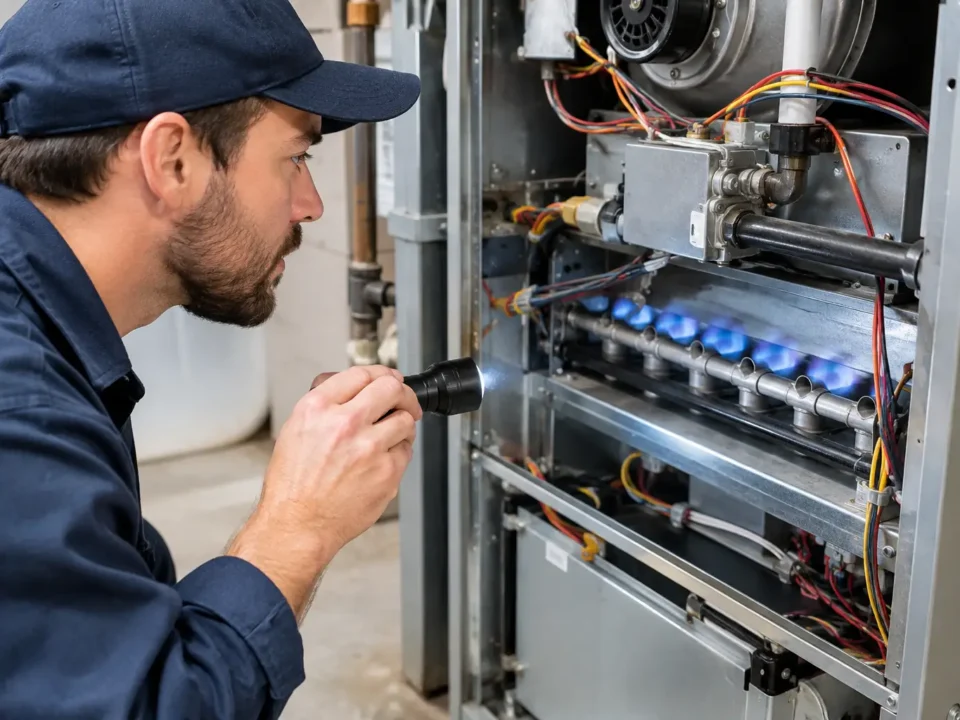
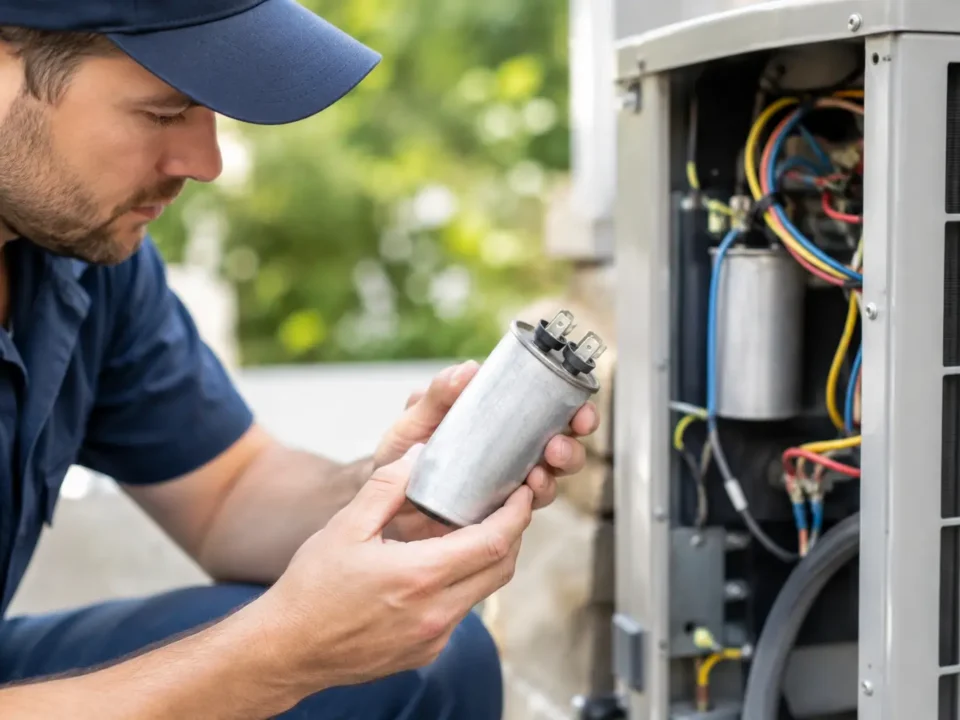
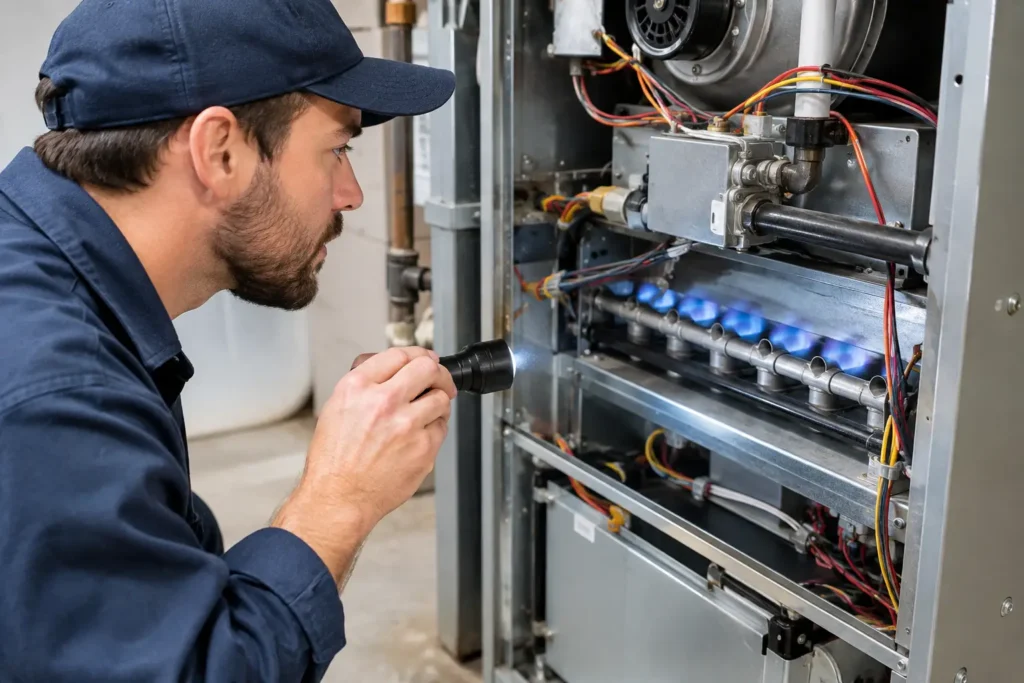
In many cases, the repair can be completed on the spot. Capacitors, contactors, clogged drains, igniters, thermostats, and common electrical components are often addressable in a single visit. More complex failures, such as compressor problems, heat exchanger concerns, or major part replacements, may take longer. Even then, a same-day appointment gives you a much faster decision point. You know whether to repair, stabilize, or start planning for replacement.
Residential and commercial needs are not the same
Homeowners and commercial clients both need fast HVAC help, but the stakes play out differently. In a home, the focus is usually family comfort, indoor safety, and protecting one of the most expensive systems in the house. People want a clear answer, fair pricing, and confidence that the fix will hold.
In commercial settings, the conversation often includes occupancy, lease obligations, business interruption, and whether temporary measures are needed while repairs are completed. Facility managers may also need documentation, scheduling coordination, and service that fits around operating hours.
That is why technician qualifications matter. Same-day service only works well when the person arriving can handle real troubleshooting rather than basic inspection. Certified technicians bring credibility, but more importantly, they reduce the risk of misdiagnosis under time pressure.
How to choose a provider for same day HVAC service
When you need fast help, it is easy to focus only on who can get there first. Response time matters, but so does accountability. A better service experience usually comes from a company that combines speed with guarantees, professional credentials, and a clear repair process.
Look for a provider that can explain availability without being vague, communicates arrival windows clearly, and stands behind repairs. If financing or replacement options are part of the conversation, those should be presented as choices, not pressure tactics. Trust becomes especially important when the system fails at the worst possible time and you have to make a decision quickly.
For Northern Virginia homeowners and businesses, local coverage also matters. A company that regularly serves Reston and surrounding areas is more likely to understand seasonal demand, common system issues in the market, and how to dispatch efficiently when call volume rises. That is part of what makes same-day promises realistic instead of promotional. AAA HVAC positions its service around that kind of responsiveness, backed by trained technicians and a comfort-first approach.
The best same-day call is the one that stays a simple repair
There is a practical reason to act quickly with HVAC issues: the earlier a problem is addressed, the more likely it stays manageable. Delayed service does not always lead to bigger damage, but it raises the odds. Motors strain longer, drain problems spread, weak components fail fully, and aging systems lose what little margin they had left.
Preventive maintenance still matters, of course. It reduces surprises and helps catch worn parts before a breakdown. But even well-maintained equipment can fail in extreme weather or after years of use. When it does, same-day service is less about convenience and more about damage control, comfort, and getting trustworthy answers fast.
If your HVAC system suddenly stops doing its job, you should not have to wait days just to find out what went wrong. A fast, qualified response gives you options, protects your property, and gets you closer to normal without unnecessary stress. That is what good service is supposed to do.