HVAC Maintenance Membership Benefits That Matter
July 25, 2026
Air Filter Replacement Benefits for Your HVAC
July 27, 2026
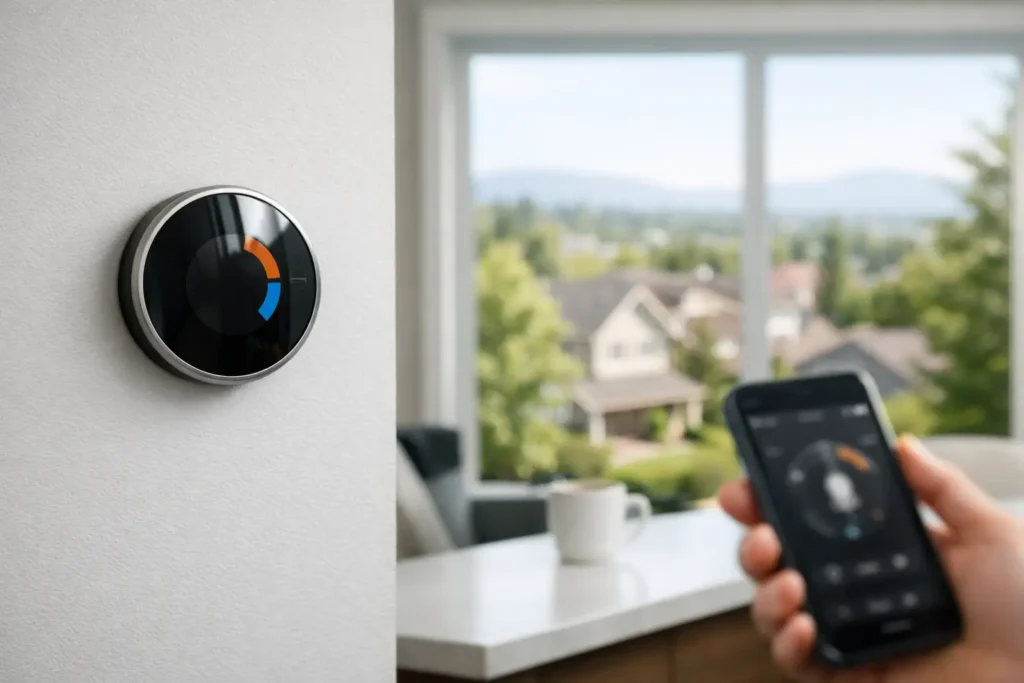
A thermostat can look like a small upgrade until it starts turning the heat down while your home is occupied, drops its Wi-Fi connection, or turns out to be incompatible with your HVAC equipment. This smart thermostat review guide is built for Northern Virginia homeowners, property managers, and business owners who want more control over comfort without creating a new service problem.
The right model can reduce unnecessary runtime, make schedules easier to manage, and provide useful alerts when indoor temperatures move outside a normal range. The wrong choice can leave you with missing features, unreliable operation, or a thermostat that cannot properly control your system. Start with your equipment, then choose the features that will actually improve day-to-day comfort.
Start Your Smart Thermostat Review With Compatibility
Compatibility matters more than the logo on the box. Smart thermostats do not work the same way with every furnace, air conditioner, heat pump, boiler, humidifier, zoning system, or commercial rooftop unit. Before selecting a model, identify the type of heating and cooling equipment you have and whether you use one thermostat or several zones.
A conventional furnace and central air conditioner are often straightforward, particularly when the thermostat wiring includes a common wire, usually labeled C. That wire provides steady power to many smart thermostats. Some models can operate without it by using an adapter, batteries, or power-sharing technology, but those workarounds are not always the best answer. A weak or improperly configured power connection can cause the thermostat to reboot, lose connection, or cycle equipment unexpectedly.
Heat pumps require extra attention. Many Northern Virginia homes use heat pumps, sometimes with electric heat strips or a gas furnace as auxiliary or dual-fuel heat. The thermostat must be set up correctly to manage staging and auxiliary heat. If it is not, the system may rely too heavily on expensive backup heat or fail to respond as expected during cold weather.
Also check for these less obvious compatibility factors:
- Multi-stage heating or cooling
- Dual-fuel or hybrid systems
- Whole-home humidifiers, dehumidifiers, or ventilators
- Zoned systems with dampers and control panels
- Two-wire heating systems, boilers, or older equipment
- Commercial controls and building-management requirements
If you are replacing a basic thermostat on an older system, do not assume the existing wire labels tell the full story. A qualified HVAC technician can confirm what your equipment needs before a purchase turns into an installation delay.
Features That Are Worth Paying For
The best smart thermostat is not automatically the one with the longest feature list. Look for functions that match how the space is used. A busy household may benefit from room sensors and simple scheduling. A rental property or office may place more value on remote access, temperature limits, and alerts.
Scheduling That Fits Real Life
A programmable schedule is still one of the most practical reasons to install a smart thermostat. It lets you reduce heating and cooling when a home is empty, then return to a comfortable setting before people arrive. The key is choosing a thermostat with scheduling controls you will use. A complicated app can lead to a permanently overridden schedule, which defeats much of the point.
For homes with irregular schedules, geofencing can be useful. This feature uses a phone’s location to adjust the system when household members leave or return. It works best when occupants carry their phones consistently and agree on the settings. In a family with different routines, manual schedules may be more predictable.
Room Sensors for Uneven Comfort
Many homes have one room that stays too warm in summer or too cold in winter. Remote room sensors can help a thermostat base its decisions on occupied rooms rather than the hallway where the thermostat is mounted. This can improve comfort, but it cannot solve every hot or cold spot.
A sensor will not fix undersized ductwork, poor insulation, blocked vents, a failing system component, or an improperly balanced zone. If one area of your home is consistently uncomfortable, treat a smart thermostat as one possible part of the solution, not a guaranteed repair.
Alerts and Remote Control
Temperature alerts are particularly useful for vacant homes, second properties, server rooms, and businesses. A notification that indoor temperatures are dropping too low can give you time to address a heating problem before frozen pipes become a larger emergency. Filter reminders and maintenance notifications can also help protect equipment, although they should not replace professional preventive service.
Remote control is convenient, but security matters. Use a strong, unique account password and keep the thermostat app updated. For commercial properties, decide who needs access and remove former staff or vendors from the account promptly.
Understand the Real Cost, Not Just the Purchase Price
Smart thermostat prices vary widely, but the sticker price is only part of the decision. Installation can be simple when compatible wiring is already in place. It may require new wiring, an adapter, control-board changes, or professional configuration when the system is older or more complex.
Energy savings also depend on usage. A thermostat cannot make an inefficient heat pump, leaking duct system, or neglected furnace perform like new. What it can do is reduce avoidable heating and cooling by maintaining reasonable setpoints and minimizing runtime during unoccupied periods.
Avoid extreme temperature setbacks with a heat pump, especially during colder weather. Raising the temperature several degrees at once can trigger auxiliary heat, which may cost more to operate. A steady schedule with modest adjustments is often the better choice. Homes with poor insulation or frequent occupancy changes may see different results than a tightly sealed home with a consistent routine.
Before buying, consider the total cost of the device, possible professional installation, optional sensors, and any subscription fees for advanced monitoring features. Not every household needs premium air-quality reports, voice control, or multiple sensors. Paying for features you will not use does not improve comfort.
Installation: When DIY Makes Sense and When It Does Not
Replacing a thermostat can be a manageable DIY project for someone who understands low-voltage wiring and has a straightforward single-stage system. Turn off power to the HVAC equipment, photograph the existing wiring, label each wire, and follow the manufacturer’s setup instructions exactly. After installation, test both heating and cooling before relying on the new thermostat.
Professional installation is the safer choice when you have a heat pump, dual-fuel setup, zoning, a whole-home accessory, missing wiring, a commercial system, or uncertainty about wire labels. Setup is more than attaching wires to terminals. The installer must configure equipment type, stages, reversing-valve settings, compressor protections, temperature differentials, and accessory controls correctly.
A thermostat that powers on is not necessarily installed correctly. Incorrect configuration can shorten equipment cycles, reduce comfort, increase energy use, or put unnecessary strain on the system.
Questions to Ask Before You Choose
A practical smart thermostat review should leave you with clear answers, not more product jargon. Ask whether the thermostat supports your exact system type, whether your wiring can power it reliably, and whether its app is easy enough for everyone who will use it. If you are addressing an uncomfortable room, ask whether the issue is actually airflow or equipment performance before buying sensors.
For property managers and commercial decision-makers, ask who will manage access, how alerts will be handled after hours, and whether the thermostat can support the building’s operating schedule. A consumer-focused model may be a poor fit for a property that needs controlled access and dependable uptime.
Choose Comfort Over Gadget Appeal
A smart thermostat should make heating and cooling easier to manage, not make your HVAC system harder to understand. Choose a model that fits your equipment, your schedule, and the way the property is occupied. If compatibility or installation is unclear, AAA HVAC can help evaluate the system and set up the thermostat so it supports reliable comfort from the first day.