Why Is My Furnace Blowing Cold Air?
June 22, 2026
Why NATE Certified HVAC Technicians Matter
June 24, 2026

A maintenance plan looks inexpensive right up until you need service in the middle of a Northern Virginia heat wave or on the first freezing night of winter. That is when the best HVAC maintenance plan stops being a line item and starts being protection for your comfort, your schedule, and your budget.
For homeowners, the right plan helps prevent breakdowns, keeps energy use in check, and reduces surprise repair bills. For property managers and commercial operators, it also supports uptime, tenant comfort, and fewer last-minute emergencies. The key is knowing what you are actually paying for, because not every plan offers the same value.
What makes the best HVAC maintenance plan?
The best HVAC maintenance plan is not always the cheapest one, and it is not always the one with the longest list of promises. A strong plan gives you regular preventive service, faster access when something goes wrong, and clear financial value over the course of a year.
At minimum, a plan should include scheduled tune-ups for your heating and cooling system. In this region, that usually means one visit before cooling season and one before heating season. Those visits matter because many system failures start with small issues – weak electrical connections, dirty coils, clogged drains, worn capacitors, or airflow restrictions. Catching them early is almost always less expensive than waiting for a system shutdown.
The best plans also make service easier when you need it most. Priority scheduling, repair discounts, and reduced or waived trip charges can make a real difference during peak demand. If your air conditioner fails in July, being a maintenance customer should mean you are not sitting at the back of the line.
Why maintenance plans vary more than most people expect
Two HVAC plans can look similar on the surface and still deliver very different results. One may focus on true preventive care, while another mainly offers a basic inspection and a discount menu. That is why the details matter.
Some companies include only a quick visual check. Others provide a more complete service that tests components, checks refrigerant performance, cleans key areas, verifies safe operation, and spots wear before it becomes a failure. A lower annual price may sound attractive, but if the visit is too limited to catch common problems, the plan may not save much in practice.
This is especially relevant for older systems, heat pumps that run year-round, and light commercial equipment with heavier workloads. Those systems benefit from thorough maintenance, not just a clipboard visit.
What to look for in the best HVAC maintenance plan
Start with visit frequency. Most homes need two maintenance visits per year, one for cooling and one for heating. If you have a heat pump, an older system, multiple units, or a commercial property with longer run times, ask whether more frequent service is recommended. The right answer depends on usage, equipment age, and how critical uptime is for the building.
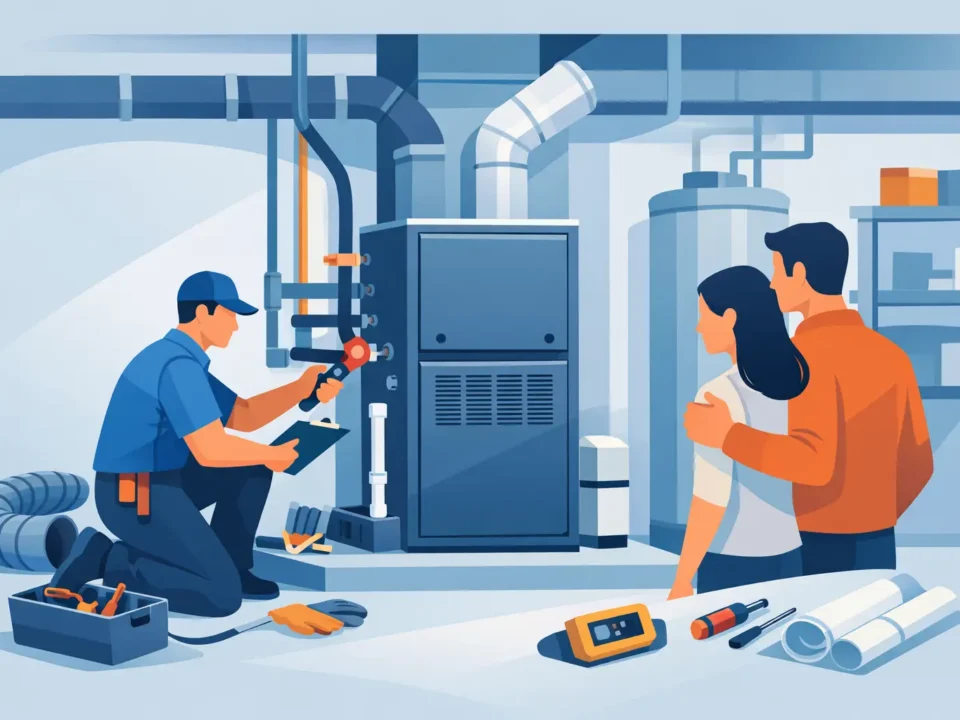
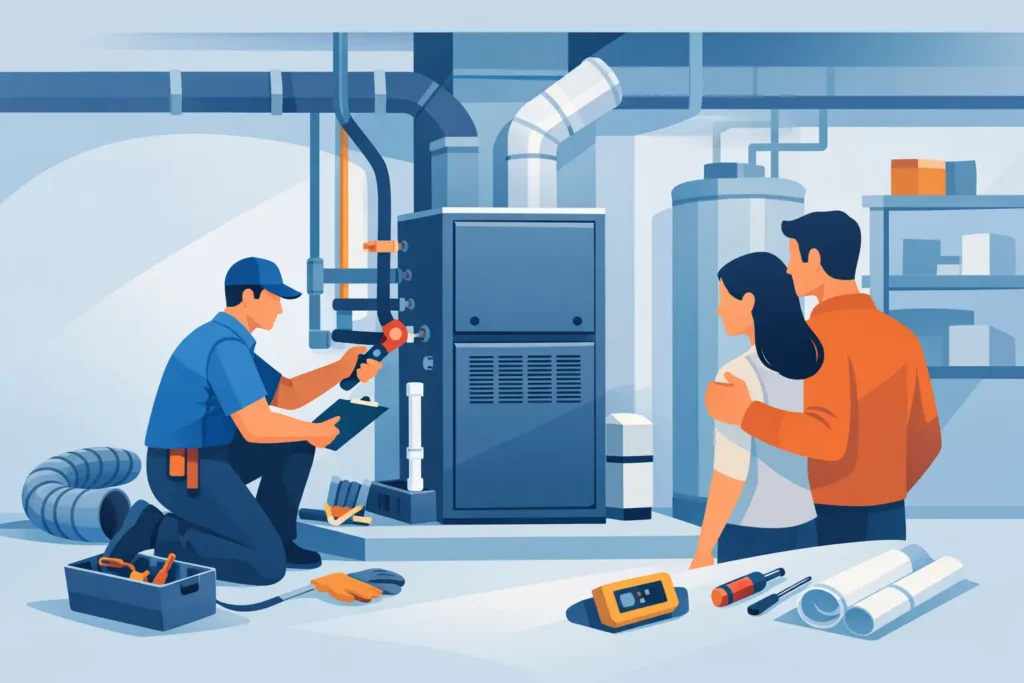
Next, look at what happens during each visit. A good plan should include more than changing a filter or taking a quick temperature reading. You want a technician to inspect major components, test system performance, check electrical parts, review airflow, clean accessible areas that affect operation, and identify signs of wear. If a company cannot clearly explain what its tune-up includes, that is a warning sign.
Repair savings matter too. Many plans offer discounts on parts and labor, but the percentage is only useful if the company performs quality repairs and stands behind them. A smaller discount from a dependable provider can be worth more than a larger discount attached to weak service.
Priority service is another feature that deserves attention. In a market like Northern Virginia, high-demand weather can overwhelm service schedules. A maintenance plan should help you get seen faster when temperatures are extreme. For commercial properties, that can reduce tenant complaints, business disruption, and equipment strain.
Finally, pay attention to who is doing the work. A plan is only as good as the technicians behind it. Certified, experienced professionals are more likely to spot developing problems, explain your options clearly, and make repairs correctly the first time.
The trade-off between low price and real value
It is reasonable to compare plan pricing. But a maintenance plan should be judged by total value, not annual cost alone.
A very low-cost plan may offer limited coverage, no meaningful priority scheduling, and minimal diagnostic value. That can still work for a newer system in a low-demand setting, but many customers need more than that. If your equipment is aging, if your home has uneven comfort, or if your business cannot afford downtime, a bare-bones plan may leave too much risk on your side.
On the other hand, the most expensive plan is not automatically the best one either. Some plans bundle extras that sound impressive but may not matter for your property. The goal is to choose a plan that fits your equipment, your risk tolerance, and how quickly you need support when something fails.
For many customers, the sweet spot is a plan that covers seasonal tune-ups, offers repair discounts, provides scheduling priority, and comes from a company known for responsive service. That combination tends to deliver the strongest return over time.
Best HVAC maintenance plan for homeowners
Homeowners usually benefit most from a plan that keeps service simple and predictable. If your main concern is avoiding seasonal breakdowns and controlling repair costs, focus on reliability over complexity.
A solid residential plan should help extend system life, improve efficiency, and reduce the chance of losing heating or cooling at the worst time. It should also make it easier to budget. Instead of treating HVAC care as a series of surprise expenses, you are building regular service into your household costs.
If your system is more than 10 years old, a maintenance plan becomes even more useful. Older equipment can run well for years with proper care, but it usually needs closer attention. Small signs of wear show up more often, and catching those signs early can delay a costly replacement.
Best HVAC maintenance plan for commercial properties
Commercial decision-makers should evaluate plans differently. The question is not only whether the equipment will keep running, but also how service affects operations, occupants, and asset management.
For a commercial property, the best HVAC maintenance plan should support uptime, documentation, and responsiveness. Preventive maintenance reduces the chance of business interruption, but it also helps identify patterns across equipment – repeated electrical issues, airflow restrictions, short cycling, or declining performance in one zone. Those patterns matter when you are managing multiple tenants, common areas, or customer-facing spaces.
Commercial clients should also ask about scheduling flexibility, emergency response, and technician qualifications. A quick response window is valuable, but only if the technician arrives prepared to diagnose and resolve the issue. For many facilities, that level of accountability matters more than a minor difference in plan cost.
Questions to ask before you sign up
Before choosing a provider, ask what is included in each maintenance visit, whether priority scheduling is guaranteed or simply preferred, and how repair discounts apply. Find out if the plan covers both heating and cooling equipment, and ask whether there are limits based on system type or age.
You should also ask how findings are documented. A trustworthy company explains what was checked, what condition the system is in, and what should be monitored over time. That transparency helps homeowners make confident repair decisions and gives commercial customers a clearer maintenance record.
If financing, replacement planning, or long-term service support matters to you, bring that up early. A maintenance relationship often leads to future repair or replacement decisions, so it helps to work with a company that can support the full life of the equipment.
Choosing the right provider matters as much as the plan
The plan itself is only part of the decision. You are also choosing a service partner. That means responsiveness, communication, repair quality, and follow-through should carry real weight.
A dependable company should be easy to reach, clear about pricing, and confident enough to stand behind its work. In a market where weather can turn uncomfortable fast, same-day availability and around-the-clock service access can matter just as much as the maintenance checklist. That is one reason many customers in Reston and across Northern Virginia look for providers with certified technicians, strong service guarantees, and a track record of showing up when it counts.
The best HVAC maintenance plan is the one that reduces risk before problems start and makes help easier to get when they do. If a plan gives you better system performance, faster service, and confidence that your comfort is protected, it is doing its job long before the next emergency call.