How to Clean Condensate Drain Lines Safely
September 1, 2026
Top Commercial HVAC Maintenance Tasks That Matter
September 3, 2026

A furnace that starts, shuts off quickly, or will not run at all can leave you looking for a fast fix. Before you try to reset furnace limit switch controls, know what that switch is protecting. A limit switch is a safety device, not a routine on-off button. If it trips, your furnace may be overheating, struggling for airflow, or experiencing a problem that needs professional diagnosis.
A single reset may be appropriate in a limited situation. Repeated resets are not. Continuing to restart a furnace that is shutting down on a safety control can damage equipment, create a bigger repair, and leave your home without reliable heat when you need it most.
What a Furnace Limit Switch Does
The high-limit switch monitors the temperature inside the furnace. When the furnace gets too hot, the switch turns off the burners or heating elements while allowing the blower to keep moving air. That airflow helps the equipment cool down safely.
Many furnaces have an automatic-reset high-limit switch. Once the furnace cools and the underlying condition is no longer present, that switch resets itself. In those systems, there may be no button for a homeowner to press.
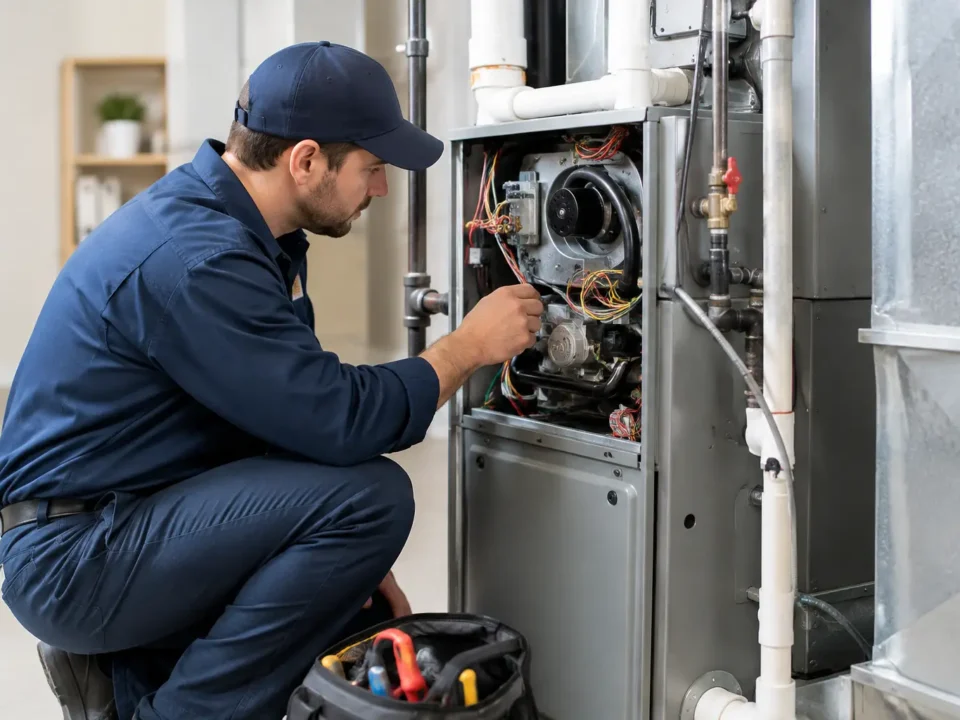
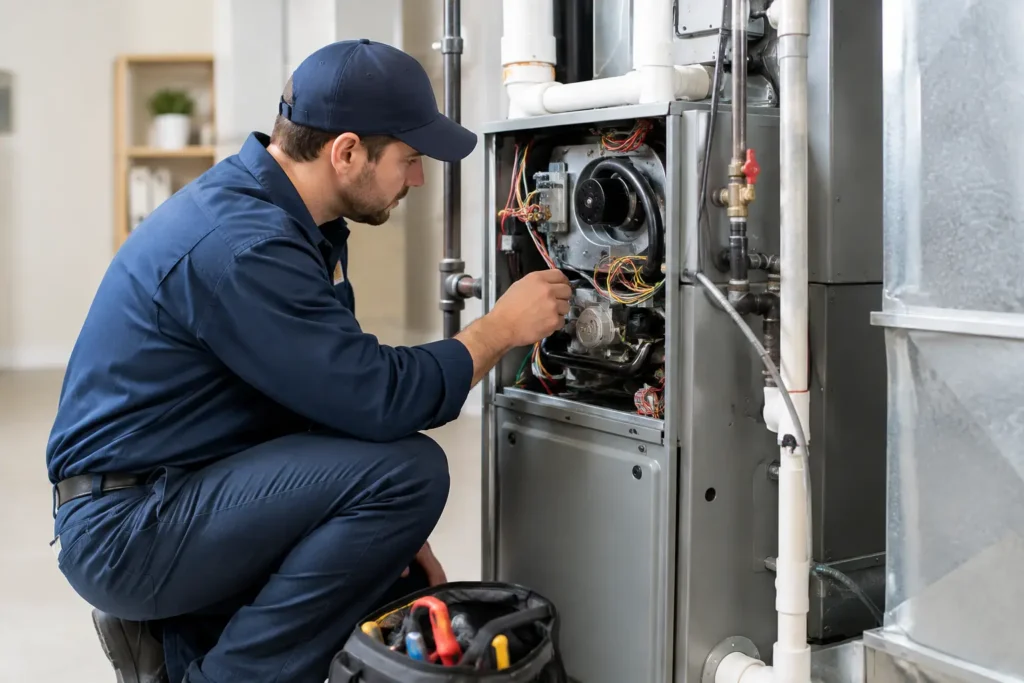
Some furnaces also have a manual-reset rollout switch. This is a different safety control, often located near the burner area. It is designed to shut the furnace down if heat or flame moves where it should not. A rollout switch that has tripped is a serious warning sign. Do not keep resetting it. Turn the furnace off and arrange service.
The names and locations of these components vary by furnace make and model. That is why guessing based on an online photo can be risky. Your furnace manual and the wiring diagram inside the cabinet are more reliable references, but neither replaces a qualified inspection when a safety switch trips.
When It May Be Safe to Reset a Furnace Limit Switch
First, check whether your furnace is actually showing a limit-switch-related fault. Some thermostats display an alert, while many furnaces use blinking diagnostic lights visible through a small sight glass on the cabinet. The code chart is usually printed on the furnace panel. Read that chart before taking anything apart.
If the furnace shut down after an obvious temporary issue, such as a severely clogged filter that you have now replaced, it may restart after it has cooled. For an automatic-reset limit switch, the correct reset is often simply to restore normal operation rather than press a component button.
If your manufacturer’s instructions specifically identify a homeowner-accessible manual-reset control, follow those instructions exactly. Shut off power to the furnace at its service switch or breaker first. Wait for the unit to cool completely. Reinstall all panels before restoring power, since many furnaces will not operate with the access door removed.
Press a reset button only once. If it clicks and the furnace later runs normally, monitor it through a full heating cycle. If the furnace shuts down again, do not press the button a second time. The switch is likely responding to a condition that has not been corrected.
Safe Checks Before Restarting the Furnace
Airflow is one of the most common reasons a furnace overheats. Before calling for service, there are a few safe, external checks that can help. Replace a dirty filter with the correct size and type. A filter that is overly restrictive for the system can also reduce airflow, so do not assume the highest-rated filter is always the best choice.
Make sure supply registers and return grilles are open and not blocked by furniture, rugs, storage boxes, or closed interior doors. Closing too many registers does not make the rooms you use warmer. It can restrict the system and contribute to overheating.
Check the thermostat setting as well. Set it to Heat, choose a temperature a few degrees above the room temperature, and make sure the fan setting is on Auto rather than On. A thermostat issue will not usually trip a limit switch, but confirming the basics prevents confusion while you troubleshoot.
If you smell gas, burning plastic, smoke, or anything unusual, stop there. Leave the furnace off. A burning-dust smell can occur briefly at the start of a heating season, but a sharp electrical odor, ongoing burning smell, or visible discoloration around the unit requires prompt professional attention.
Why a Limit Switch Keeps Tripping
A dirty filter is only one possible cause. A furnace can overheat because the blower motor is weak, the blower wheel is dirty, a capacitor is failing, or the blower is not receiving the correct signal from the control board. These problems can reduce airflow even when the filter looks clean.
The issue may also be related to the furnace itself. An overfired gas furnace, a failing inducer, damaged wiring, a defective limit switch, or restricted venting can all lead to abnormal operation. In older equipment, several smaller issues can combine to push temperatures beyond the safety limit.
A cracked heat exchanger is another concern that should never be ignored. A limit switch trip does not automatically mean the heat exchanger is cracked, but overheating and repeated shutdowns warrant a careful inspection. This is particularly important if you notice soot, corrosion, yellow or irregular burner flames, or carbon monoxide alarm activity.
For commercial properties, repeated limit trips can be especially disruptive because heating downtime affects occupants, equipment, and daily operations. A temporary reset may restore heat for a short time, but it does not establish that the equipment is safe or dependable for continued use.
Do Not Bypass the Safety Switch
Never tape down, jump, disconnect, or bypass a furnace limit switch. Do not replace it with a different switch rating or try to hold a reset button in place. These actions defeat a critical protection designed to prevent furnace damage and unsafe temperatures.
It can be tempting to treat a limit switch as the failed part because it is the component stopping the furnace. Often, however, the switch is doing exactly what it was designed to do. Replacing a safety control without finding the cause of the high temperature can allow the underlying problem to get worse.
A technician should test the furnace’s temperature rise, blower performance, electrical components, venting, burner operation, and safety controls. That process identifies whether the switch itself has failed or whether it is responding correctly to an overheating condition. It also avoids the costly mistake of replacing parts based on a guess.
When to Call for Furnace Service
Call for professional help if the furnace trips the limit switch more than once, blows cool air after the burners shut down, makes unusual noises, cycles on and off repeatedly, or shows a diagnostic code you cannot clear through the manufacturer’s normal procedure. A furnace that will not stay running is not a good candidate for repeated DIY resets.
Request immediate service if a carbon monoxide alarm sounds, you smell gas, see smoke, or suspect a rollout switch has tripped. Turn the furnace off if you can do so safely, follow the instructions for your carbon monoxide or gas emergency, and do not restart the equipment.
For homeowners and property managers across Northern Virginia, AAA HVAC can inspect the cause of furnace safety shutdowns and help restore dependable heat. Qualified service is especially valuable when the problem occurs after hours or during a cold spell, when a quick but incomplete fix can become an avoidable emergency.
Your furnace should not need you to outsmart its safety controls. Replace the filter when needed, keep airflow paths clear, and treat any repeat limit-switch trip as a reason to get the system checked before the next cold night puts more demand on it.