HVAC Service Contracts Comparison Made Simple
September 5, 2026
Refrigerant Regulation Changes Explained
September 7, 2026

A cooling problem rarely arrives at a convenient time. It often starts with a second-floor bedroom that will not cool down, a system that runs without reaching the thermostat setting, or an unexpected shutdown during a Northern Virginia heat wave. Understanding how AC systems perform and what their warning signs mean can help homeowners, property managers, and business owners make a clear decision before a small issue becomes a no-cooling emergency.
What AC Systems Do Beyond Blow Cold Air
Central air conditioning moves heat out of a building. The indoor unit absorbs heat from the air across its evaporator coil, while the outdoor unit releases that heat through the condenser coil. Refrigerant carries the heat between those two points, and the blower distributes cooled air through the home or commercial space.
That process sounds simple, but reliable performance depends on several parts working together: the thermostat, electrical controls, blower motor, indoor and outdoor coils, refrigerant circuit, condensate drainage, and air filter. A problem in any one area can affect comfort, energy use, or equipment reliability.
For example, a clogged filter can restrict airflow and contribute to coil problems. A failed capacitor may prevent the outdoor unit from starting. A refrigerant leak can reduce cooling capacity, but adding refrigerant alone is not a lasting repair unless the leak is found and addressed. Good service starts with diagnosing the actual cause rather than treating the most visible symptom.
Signs Your Air Conditioner Needs Professional Attention
Some performance changes are easy to overlook at first. A system may still produce cool air, yet take longer to cool the building or cycle far more often than usual. Those changes can raise energy bills and put unnecessary strain on components.
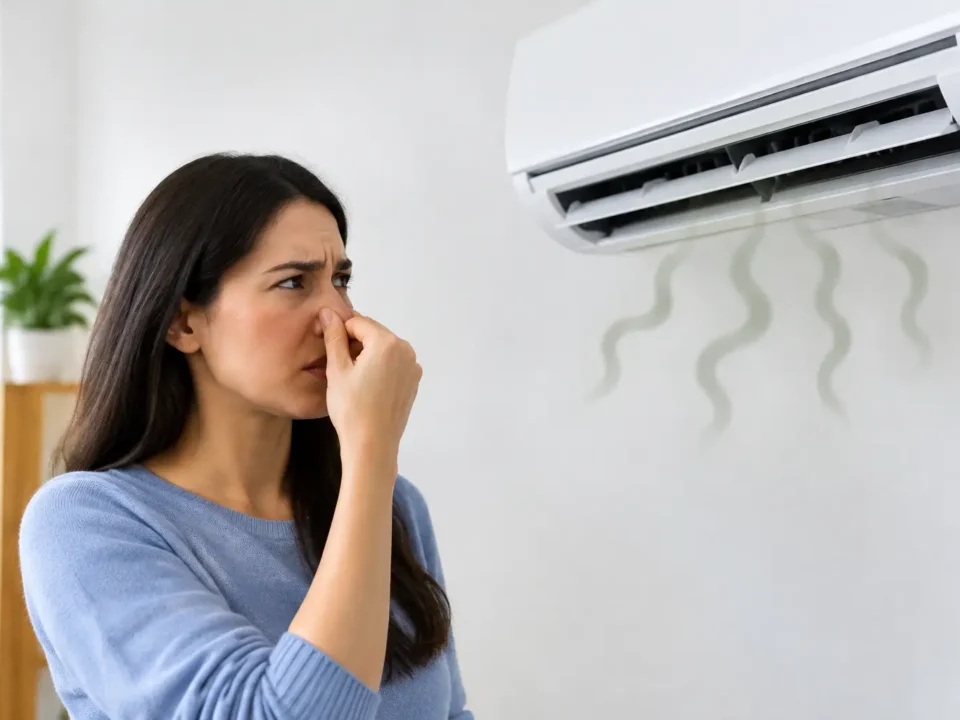
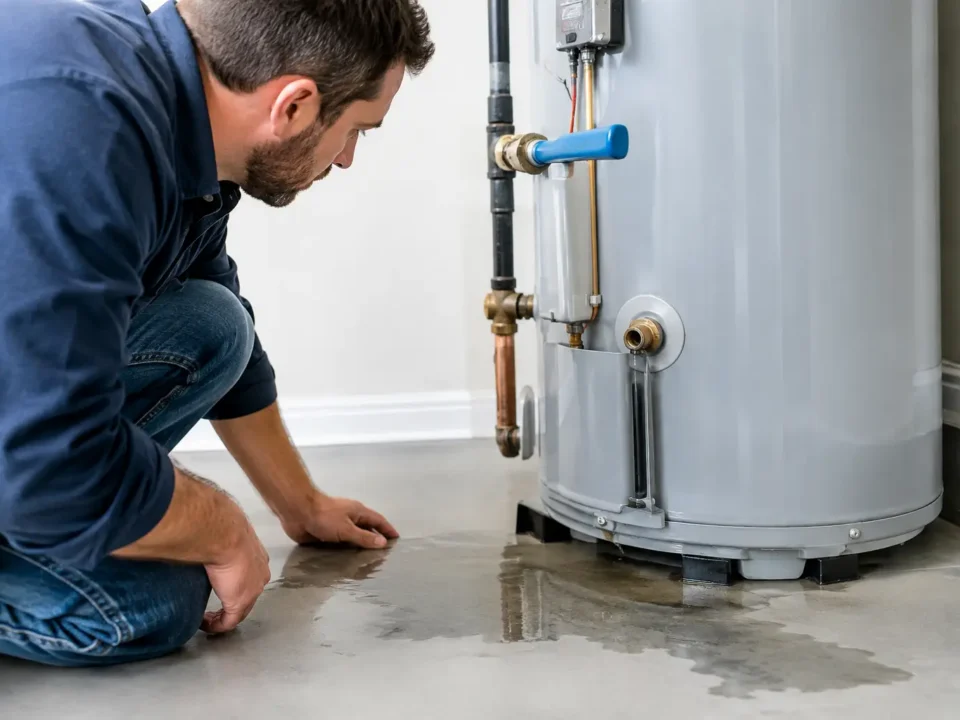
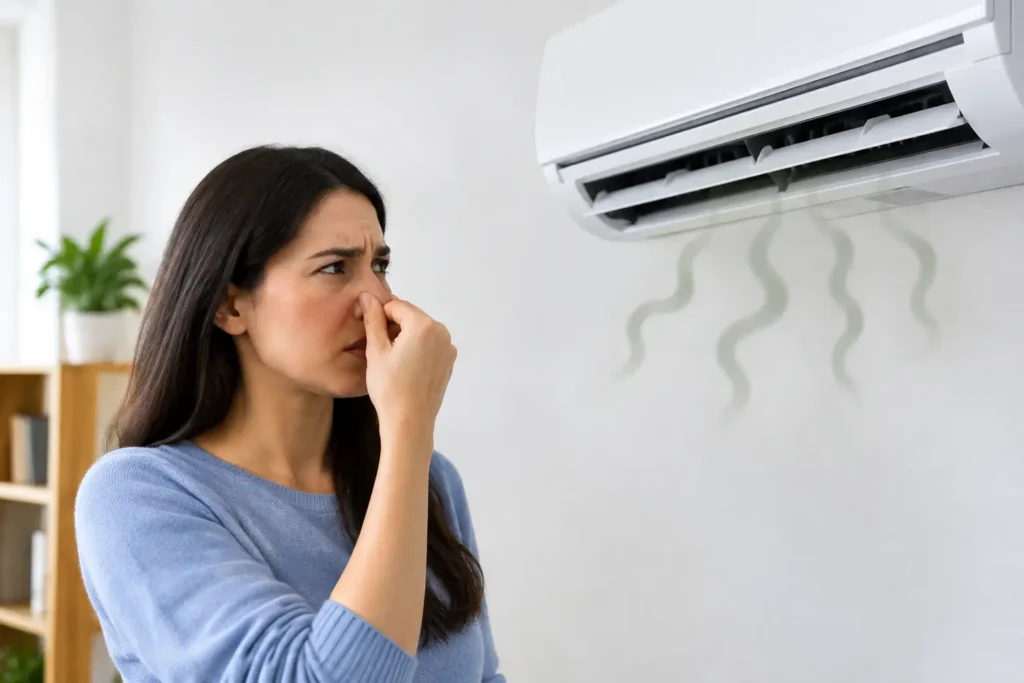
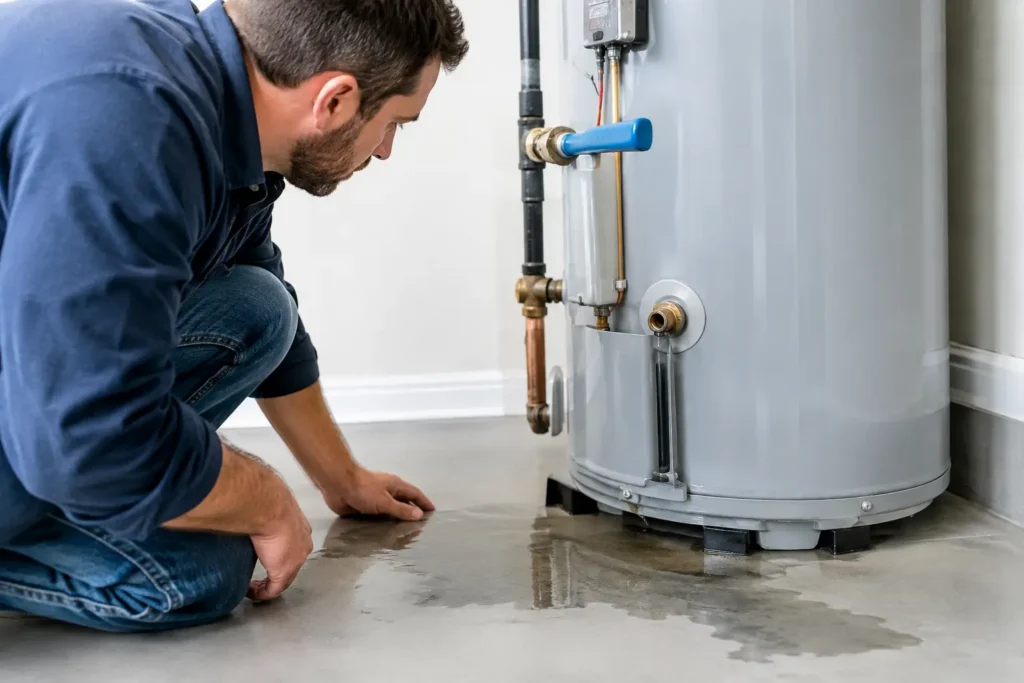
Call for service when you notice uneven temperatures between rooms, warm air from supply vents, weak airflow, frequent breaker trips, new grinding or buzzing noises, water around the indoor equipment, or ice on refrigerant lines. A musty odor can also point to excess moisture or an issue affecting the indoor coil or drain system.
Do not ignore a thermostat that cannot maintain the selected temperature. On extremely hot days, every system has practical limits, especially in buildings with high sun exposure, air leakage, or inadequate insulation. Still, a unit that once maintained comfort and now cannot do so deserves an inspection.
Commercial properties should respond quickly to these signs. A cooling failure can disrupt employees, customers, sensitive equipment, and tenants. Planning service before a complete shutdown gives a property manager more options than waiting for an emergency call.
Before You Call: Safe Checks That May Save Time
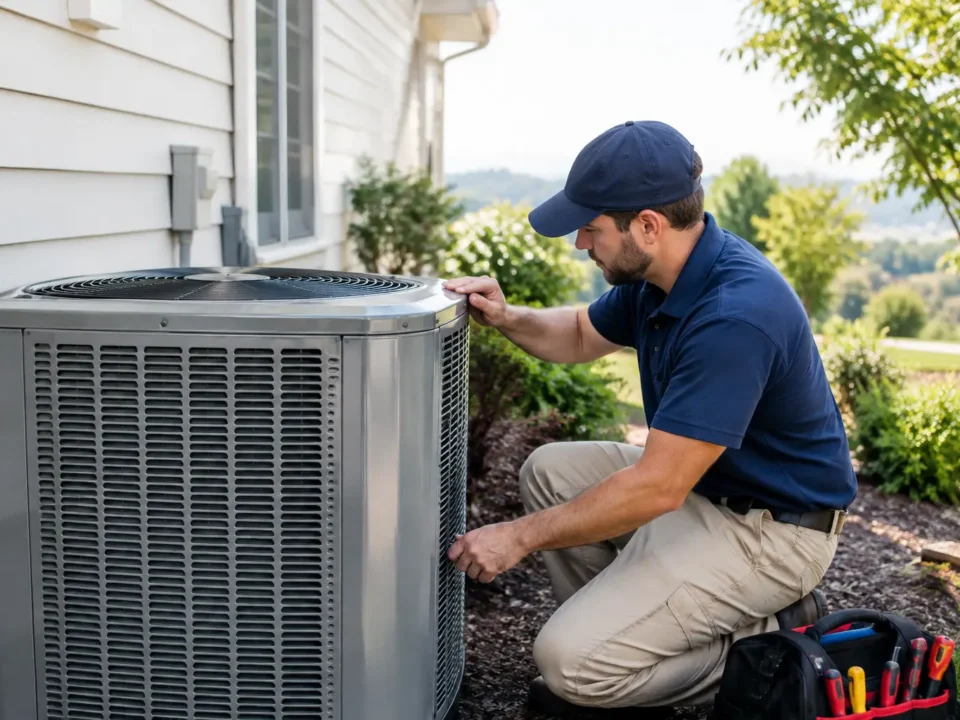
There are a few basic checks worth making. Confirm that the thermostat is set to cool and that its temperature setting is below the current room temperature. Check the air filter and replace it if it is visibly loaded with dust. Make sure the outdoor unit has clear space around it and is not blocked by leaves, landscaping, or stored items.
If the system is frozen, turn cooling off at the thermostat and allow it to thaw. Continuing to run a frozen unit can cause additional damage. If a breaker has tripped more than once, do not keep resetting it. Repeated electrical trips call for a qualified HVAC technician.
These steps are not a substitute for repair, and they should never require removing equipment panels or handling electrical parts. They simply help rule out common, low-risk causes of restricted performance.
Repair or Replace? The Right Answer Depends
The best choice is not always replacement, and it is not always repair. A newer system with a straightforward failed part may be a strong repair candidate. Replacing a capacitor, contactor, motor, or thermostat can restore dependable operation when the rest of the equipment is in good condition.
Replacement deserves serious consideration when repairs are frequent, the system is near or beyond its expected service life, cooling capacity has become unreliable, or a major component has failed. Age alone does not determine the decision, but many air conditioners begin to face higher repair risk after roughly 10 to 15 years. Maintenance history, installation quality, usage, and local conditions all matter.
A qualified technician should also evaluate whether the equipment is correctly sized. An oversized system can cool too quickly without properly managing indoor humidity. An undersized system may run continuously during peak weather and struggle to keep up. The right replacement is based on the building, not simply the size of the old unit.
When reviewing an estimate, ask what caused the failure, what the repair includes, whether other worn components were found, and how long the repair is expected to extend the system’s useful life. For replacement proposals, compare equipment efficiency, warranty coverage, expected operating costs, and available financing. The lowest initial price is not always the lowest cost over the next decade.
AC System Maintenance That Protects Comfort
Preventive maintenance is the practical way to reduce surprise breakdowns. It cannot prevent every failure, but it gives a technician the opportunity to spot loose electrical connections, deteriorating components, drainage concerns, airflow restrictions, and performance issues before they become more expensive.
For most homes, a professional cooling tune-up before heavy summer use is a sensible schedule. Commercial systems may need more frequent attention based on operating hours, occupancy, equipment type, and the importance of uninterrupted cooling. A restaurant, office, retail space, or multi-tenant property may have different needs than a single-family home.
During a thorough maintenance visit, a technician may inspect operating pressures and temperatures, test safety controls, examine electrical components, check the condensate drain, assess airflow, inspect the indoor and outdoor equipment, and verify thermostat operation. The purpose is not to create unnecessary work. It is to establish whether the system is operating safely and efficiently, and to explain any recommended repairs clearly.
Homeowners can support that work by changing filters on the schedule appropriate for their household and filter type. Homes with pets, allergies, renovation dust, or high occupancy may need more frequent changes. Keep vegetation trimmed away from the outdoor unit, and avoid piling mulch or debris against it. Inside, keep supply and return vents open and unobstructed so the system can move air as designed.
Efficiency Is About the Whole Property
A high-efficiency air conditioner can help lower operating costs, but equipment ratings are only part of the picture. Thermostat habits, insulation, window exposure, air leakage, filter condition, and airflow all influence how hard a system must work.
Set the thermostat to a realistic, steady temperature when the building is occupied. Dramatic temperature setbacks do not always save as much as people expect, particularly during long, humid periods when the system must remove both heat and moisture. Smart thermostat schedules can be helpful, but they should match the building’s actual occupancy pattern.
If certain rooms stay uncomfortable while others are fine, the answer may not be a larger AC unit. The cause could be airflow balance, a thermostat location, insulation gaps, window heat gain, or an equipment issue. A professional evaluation can identify the source before money is spent on the wrong solution.
Protecting Uptime in Commercial Buildings
For commercial decision-makers, cooling equipment is an uptime issue. Maintain clear service records, track recurring comfort complaints, and schedule inspections before the peak season. If a unit has a history of failures, discuss a replacement plan before it becomes an after-hours crisis.
It also helps to know who can authorize repairs and what information a service provider needs to access the property. Clear communication shortens downtime when a problem occurs. AAA HVAC provides responsive residential and commercial support with NATE-certified technicians, including same-day availability when comfort cannot wait.
When Fast Service Matters Most
Loss of cooling can become more than an inconvenience when indoor temperatures rise quickly, vulnerable residents are present, or a business cannot remain open comfortably. Water leaks near indoor equipment, burning smells, repeated breaker trips, and loud mechanical noises also deserve prompt attention.
The most useful next step is simple: document what you are seeing, note when it started, and schedule qualified service before the equipment is forced to work through another hot day. A clear diagnosis and timely repair can protect your comfort now and give you a better plan for the seasons ahead.