Air Conditioner SEER Ratings Guide for Buyers
September 17, 2026
Emergency HVAC Service Guide for Fast Action
September 19, 2026
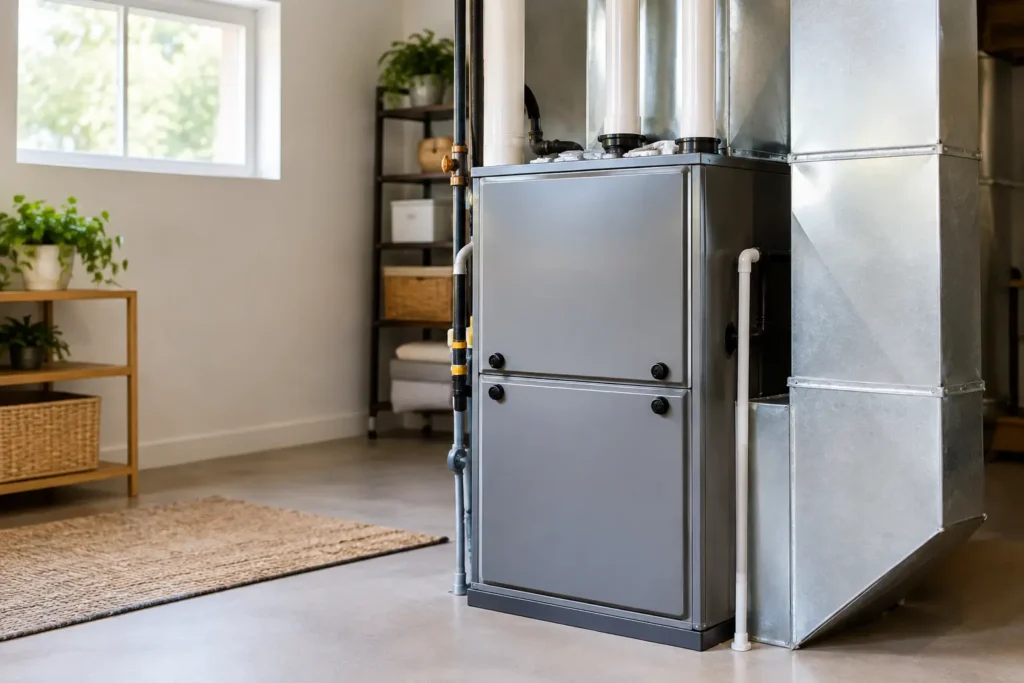
A furnace replacement is not a purchase most homeowners make on a casual Saturday. It usually starts with a repair bill, uneven heat, rising utility costs, or a system that has reached the end of its dependable life. The best furnace brands for homes can offer excellent comfort and efficiency, but the right choice also depends on your home, budget, fuel type, and the quality of the installation.
For Northern Virginia homeowners, a furnace needs to do more than produce heat. It must handle cold winter mornings, work properly with the existing duct system and thermostat, and be backed by qualified local service. A premium name on the cabinet cannot make up for incorrect sizing or poor installation.
What Makes a Furnace Brand a Good Choice?
The best brand is rarely the one with the highest advertised efficiency alone. A dependable furnace combines a well-built unit with parts availability, clear warranty terms, appropriate features, and experienced installation.
Start with efficiency. Gas furnaces are rated by Annual Fuel Utilization Efficiency, or AFUE. A 96% AFUE furnace converts about 96 cents of every fuel dollar into usable heat under standardized testing conditions. Higher efficiency can reduce fuel use, particularly when replacing an older 80% furnace, but the added equipment and venting cost may not make sense for every home.
Comfort features matter, too. Single-stage furnaces operate at full output whenever they run. Two-stage models can run at a lower capacity during milder weather, which often improves temperature consistency. Modulating furnaces make smaller adjustments for more precise comfort, though they cost more and require careful setup.
Finally, look at the local support behind the equipment. Even highly regarded brands use components that can eventually need service. A furnace with accessible replacement parts and trained technicians in your area is often a smarter long-term purchase than a feature-heavy model with limited support.
Best Furnace Brands for Homes to Consider
Several manufacturers consistently offer strong residential furnace options. The best fit comes down to model selection, installer support, and value rather than a single universal winner.
Carrier
Carrier is a familiar choice for homeowners seeking a wide range of furnace options. Its lineup includes entry-level, two-stage, and high-efficiency variable-capacity equipment. Carrier furnaces are often selected for their established dealer network, broad availability, and compatibility with integrated comfort controls.
Carrier can be a good option when you want a recognized brand with choices at several price points. Higher-end systems can provide quiet operation and refined temperature control. The trade-off is that premium models and proprietary communicating controls can increase upfront costs, so it is worth comparing the comfort benefits against the actual needs of the home.
Trane and American Standard
Trane and American Standard are closely related brands with many comparable components and platform designs. They are widely known for durable residential HVAC equipment and offer furnaces ranging from straightforward single-stage models to high-efficiency variable-speed options.
These brands can make sense for homeowners who prioritize long-term durability and prefer a well-established manufacturer. As with any equipment line, availability and model offerings can vary by contractor. A qualified installer can explain whether a particular Trane or American Standard furnace is a meaningful upgrade over a properly installed mid-range model.
Lennox
Lennox is often associated with high-efficiency furnace technology and quiet, premium comfort systems. Its top-tier furnaces can be especially appealing in homes where consistent room temperatures, low operating sound, and advanced controls are priorities.
The consideration with Lennox is value. Its premium equipment may carry a higher initial investment, and some models are best supported through dedicated dealer channels. If your household plans to stay in the home for many years and values precise comfort, Lennox may justify the cost. If the main goal is dependable heat at a more moderate budget, another well-installed two-stage furnace may be the better fit.
Rheem and Ruud
Rheem and Ruud offer closely related equipment and are frequently chosen for practical value. Their furnace lines include standard-efficiency and high-efficiency options, with models designed for a range of home sizes and comfort expectations.
These brands are worth considering when you want a balance of solid features, competitive pricing, and straightforward serviceability. They may not always have the same premium positioning as certain high-end product lines, but a properly selected Rheem or Ruud furnace can provide dependable heat for many years. Ask your contractor about the specific model’s blower motor, staging, warranty registration requirements, and local parts support.
Bryant
Bryant furnaces share technology and manufacturing relationships with Carrier, while often being positioned as a value-focused alternative. Homeowners can find single-stage, two-stage, and high-efficiency options within the Bryant lineup.
Bryant is a sensible brand to compare when Carrier equipment is already under consideration. Depending on the model and local contractor offering, you may receive similar core performance at a different price point. The best comparison is not brand against brand in the abstract. Compare the actual furnace model, installation scope, warranty, and total proposal.
Goodman and Daikin
Goodman and Daikin are commonly considered by homeowners who want dependable equipment at a budget-conscious price. Daikin owns Goodman, and both brands offer a range of gas furnace efficiencies and configurations.
These can be strong choices when the priority is replacing an aging furnace without overspending on features that will not materially improve comfort. Installation quality is particularly important here. A lower-priced furnace that is correctly sized, commissioned, and maintained is a better investment than an expensive unit installed without attention to airflow, gas pressure, drainage, or venting.
Brand Matters Less Than Proper Furnace Sizing
A furnace should not be selected by matching the size of the old unit. Older furnaces are often oversized, especially after window upgrades, insulation improvements, or air-sealing work. Oversizing can cause short cycling, uneven temperatures, excess noise, and unnecessary wear.
A professional replacement recommendation should account for your home’s square footage, insulation, windows, layout, duct capacity, and heating load. This process is commonly referred to as a load calculation. It gives you a more dependable basis for selecting furnace capacity than guessing from the existing nameplate.
The installation also determines whether the furnace delivers its rated performance. The system must have proper combustion air, venting, condensate management for high-efficiency units, gas connections, electrical setup, and airflow adjustments. Your technician should test operation before considering the job complete.
Choosing Between an 80% and 90%+ Furnace
For many homeowners, this is one of the most practical replacement decisions. An 80% AFUE furnace generally costs less upfront and uses conventional metal venting. A 90% or higher furnace captures additional heat and typically uses PVC venting because its exhaust temperature is lower.
High-efficiency equipment can lower heating costs, but installation conditions matter. The home needs a viable route for intake and exhaust pipes and a suitable condensate drain. If modifications are extensive, the payback period may be longer. In a home with a convenient installation path and significant heating use, a 95% to 97% furnace can be a compelling option.
Do not choose solely on the AFUE number. Consider the full installed cost, expected time in the home, comfort goals, and whether a two-stage or variable-speed blower would solve existing hot and cold spots.
Questions to Ask Before You Approve a Furnace Quote
A clear proposal protects you from surprises. Ask which furnace model is being quoted, its AFUE rating, warranty coverage, and what must be done to register the warranty. Confirm whether the estimate includes permits, thermostat compatibility, venting changes, condensate work, startup testing, and removal of the old equipment.
You should also ask why that capacity was recommended and whether the contractor evaluated airflow and duct conditions. If your current furnace is loud, runs constantly, or leaves certain rooms cold, bring that up before a model is selected. Those symptoms may point to an installation or distribution issue that a new furnace alone will not fix.
Protect Your New Furnace After Installation
Even the best furnace needs routine care. Replace or clean filters on schedule, keep supply and return vents open, and have the system professionally inspected before the heating season. Annual maintenance can identify ignition, safety-control, drainage, and airflow concerns before they become a no-heat emergency.
When you are comparing furnace options, focus on the complete solution: a brand with dependable local support, a properly sized model, transparent warranty terms, and installation performed by qualified technicians. AAA HVAC can help homeowners evaluate those details and choose a system built for reliable comfort, not just a nameplate that looks good on a quote.