When Should I Replace My Air Conditioner?
June 16, 2026
How Much Does a New Furnace Installation Cost?
June 18, 2026

A furnace rarely quits at a convenient time. It starts blowing cool air on a cold morning, makes a loud bang at startup, or keeps cycling on and off while the house never feels warm enough. When that happens, one question comes up fast: can a furnace be repaired, or are you already looking at replacement?
The honest answer is yes, many furnaces can be repaired. In fact, a large share of no-heat calls come down to fixable problems like failed ignitors, dirty flame sensors, worn motors, bad capacitors, thermostat issues, or airflow restrictions. But not every furnace is a good candidate for repair. Age, safety, repair cost, energy performance, and overall condition all matter.
Can a furnace be repaired in most cases?
Often, yes. Gas and electric furnaces are built with individual components that can be tested and replaced. If the heat exchanger is intact and the cabinet, blower section, and controls are otherwise in decent shape, a targeted repair can restore reliable heat without replacing the full system.
This is especially true when the problem is isolated. A malfunctioning pressure switch, clogged drain line on a high-efficiency furnace, failed inducer motor, or dirty burner assembly can all create symptoms that feel severe but do not necessarily mean the entire unit is done.
The challenge is that the symptom is not always the root cause. A furnace that keeps tripping a safety control might have a simple airflow problem, or it might be overheating because of deeper wear inside the system. That is why a proper diagnosis matters more than guessing based on one noise or one bad day.
When repair makes sense
A repair usually makes sense when the furnace is under 10 to 12 years old, the issue is limited to one or two components, and the unit has been reasonably dependable up to this point. If your heating bills have been stable and the system has not needed frequent service, fixing a failed part is often the most practical move.
Repair also makes sense when the part cost is moderate compared to replacement. Replacing an ignitor or flame sensor is a very different decision than replacing a cracked heat exchanger. One is routine. The other raises both cost and safety concerns.
Maintenance history matters too. A furnace that has had annual tune-ups, clean filters, and timely small repairs tends to have more life left than a neglected system of the same age. Two furnaces can be the same model year and be in very different shape.
When replacement is the better call
There are times when repairing a furnace is technically possible but financially unwise. That usually happens when the unit is older, inefficient, or showing signs of broad wear.
If your furnace is 15 to 20 years old, needs an expensive major part, and has already had multiple service calls, replacement often gives better value. You are not just paying for one repair. You are buying a little more time on an aging system that may keep needing attention.
A cracked heat exchanger is the clearest example. Some heat exchangers can be covered under parts warranties, but labor and related costs can still be substantial, and safety is a serious factor. Because the heat exchanger is central to furnace operation, many owners choose replacement rather than put significant money into an old unit.
Replacement is also worth discussing when comfort has dropped off. If certain rooms stay cold, the furnace runs longer than it should, or winter utility bills keep rising, a newer system may solve more than one problem at once.
The signs your furnace may still be repairable
Not every furnace issue is a worst-case scenario. A few common warning signs still leave room for a straightforward repair.
If the furnace turns on but does not produce enough heat, the cause may be a clogged filter, burner issue, thermostat problem, or blower fault. If it starts and stops too quickly, poor airflow, a dirty flame sensor, or an overheating condition may be involved. Strange noises also vary. A rattle could be a loose panel. A squeal might point to a belt or motor issue. A clicking sound may be tied to ignition.
Even a furnace that will not start at all can sometimes be fixed with a control repair, safety reset, or electrical correction. That is why it helps to avoid assuming the whole unit is gone before it is inspected.
Signs repair may not be enough
Some red flags suggest a furnace is nearing the end of the road. One is repeat breakdowns. If you are calling for service every heating season, reliability is already becoming a problem.
Another is visible corrosion, rust around critical components, or signs of water damage in a condensing furnace. Poor combustion performance, recurring blower problems, or a unit that struggles to maintain temperature even after service can also point to deeper decline.
Then there is safety. If you smell gas, suspect carbon monoxide issues, or the furnace has been shut down because of a cracked heat exchanger or combustion concern, this moves beyond a routine repair conversation. In that situation, the priority is safe operation first.
How technicians decide whether a furnace can be repaired
A good service call should do more than identify one failed part. It should answer whether the furnace is worth fixing at all.
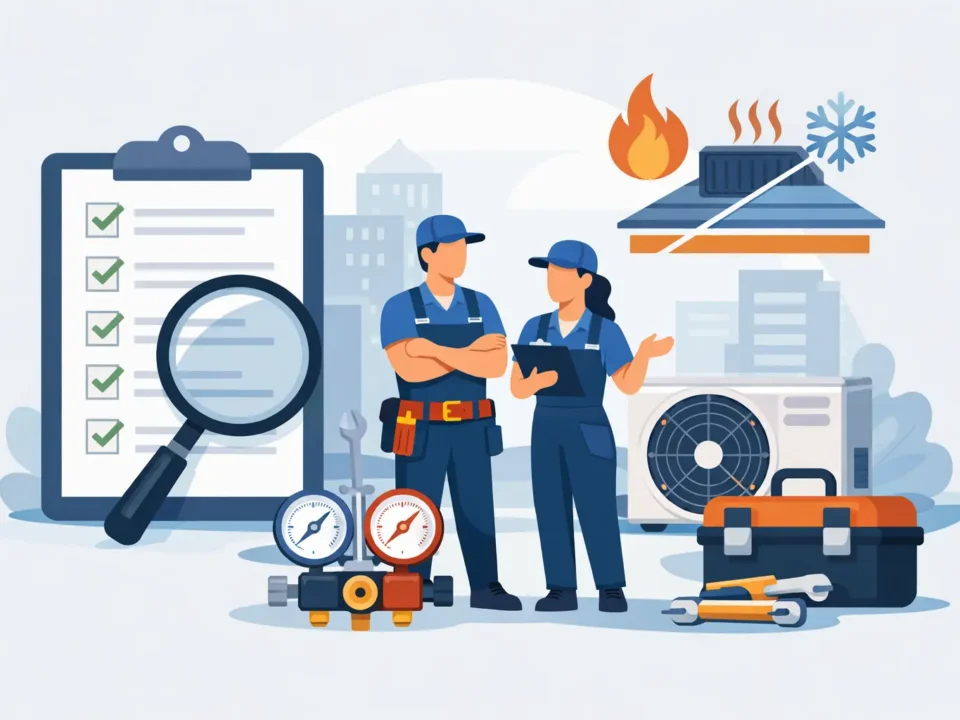
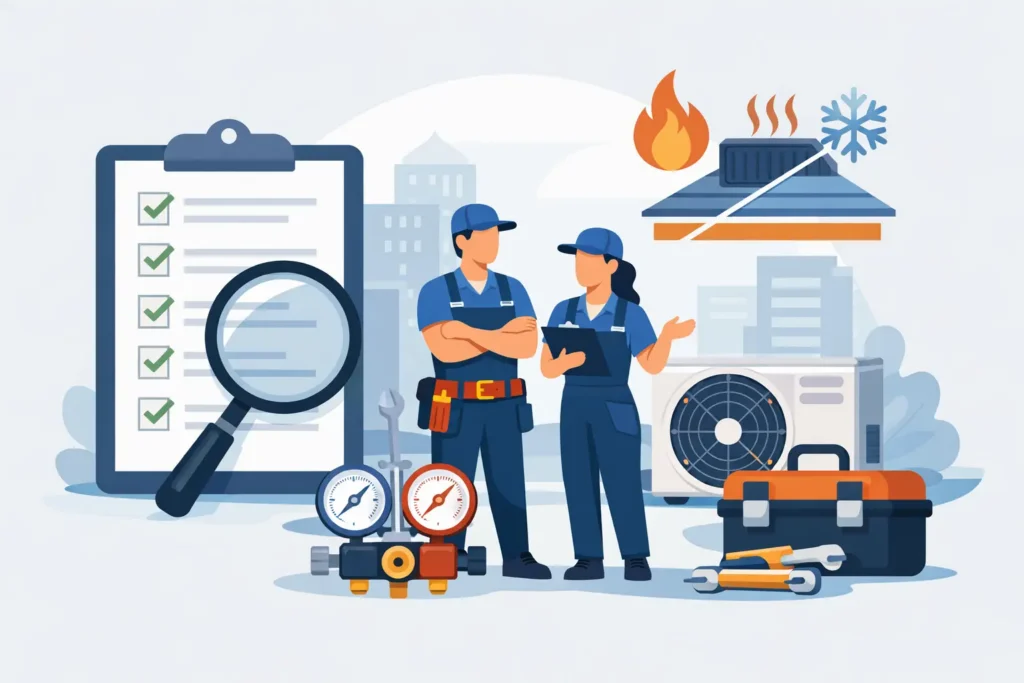
That means checking the ignition sequence, testing electrical components, reviewing airflow, inspecting the heat exchanger area, measuring temperature rise, looking at venting, and confirming safe combustion. On high-efficiency systems, condensate drainage and pressure switch operation also matter.
For homeowners and property managers, the key is transparency. You should understand what failed, what caused it, whether the repair is expected to hold, and what other components show wear. A dependable technician will not push replacement on every older unit, but they also should not sell a short-term fix without explaining the bigger picture.
Cost matters, but so does risk
A lot of furnace decisions get framed too simply around repair cost versus replacement cost. That is part of the picture, not the whole picture.
A lower-cost repair can still be the wrong choice if it leaves you with a system that is unreliable in the middle of winter. On the other hand, replacing a furnace too early can mean spending thousands when a solid repair would have given you several more good seasons.
One practical way to think about it is risk. What are the chances this repair solves the issue cleanly? What is the age of the furnace? Are other major components original? How disruptive would another failure be for your household or building?
For commercial properties and rental homes, downtime matters just as much as raw repair cost. The cheapest option today is not always the most cost-effective if it leads to emergency calls, tenant complaints, or lost business time later.
Repair versus replace for older systems
Older furnaces create the most uncertainty. Yes, they can often still be repaired. Parts like ignitors, flame sensors, contactors, motors, limit switches, and control boards can often be replaced individually. But older systems come with trade-offs.
First, efficiency is usually lower. Second, some parts may be harder to source. Third, once one major component fails, others may not be far behind. That does not mean every old furnace should be replaced immediately. It means the decision should be based on condition, safety, and expected reliability, not age alone.
If an older furnace has been dependable and needs one moderate repair, fixing it may be perfectly reasonable. If it is noisy, inefficient, uneven, and increasingly expensive to keep alive, replacement becomes easier to justify.
What you can do before calling for service
There are a few simple things worth checking before assuming the furnace itself has failed. Make sure the thermostat is set correctly, check the breaker, and replace a dirty air filter if needed. Confirm the gas valve is on if you are comfortable doing so, and check that supply and return vents are not blocked.
That said, do not open panels or attempt DIY gas or electrical repairs. Furnaces contain combustion components, live voltage, and safety controls for a reason. If the system is short cycling, making loud noises, or not heating properly, professional diagnosis is the safer path.
The real answer to can a furnace be repaired
In many cases, yes. Furnaces are often repairable, and a well-timed repair can restore comfort quickly without the cost of full replacement. But the better question is not only can it be repaired. It is whether repairing it is the smart, safe, and durable choice for your home or building.
That answer depends on the age of the equipment, the type of failure, the condition of the heat exchanger, the system’s service history, and how much reliability you need from it right now. For homeowners and businesses in Northern Virginia, especially during cold-weather demand, speed matters, but so does getting an honest recommendation. A company like AAA HVAC should be able to give you both.
If your furnace is acting up, the best next step is simple: get it checked before a minor issue turns into a no-heat emergency.