Common AC Drainage Issues and Reliable Fixes
October 2, 2026
How to Fix AC Drain Problems Before Water Spreads
October 4, 2026

A failing water heater rarely chooses a convenient time to quit. You may notice rusty water at the tap, a puddle around the tank, inconsistent hot water, or a rumbling sound that has gotten louder over time. Knowing the water heater replacement steps ahead of an emergency can help you make a safer, faster decision when your home needs reliable hot water again.
Replacement is not just a matter of swapping one tank for another. The right unit must fit the household’s hot-water demand, available fuel source, venting setup, electrical capacity, and local code requirements. A qualified technician can confirm those details before installation day, preventing costly surprises and protecting your home.
Start With the Signs That Replacement Is the Better Choice
Many water heater problems can be repaired, especially when the unit is relatively new. A failed heating element, thermostat issue, pressure-relief valve, or pilot-light problem may not require a full replacement. But repair becomes less practical when the tank itself is leaking, heavily corroded, or near the end of its expected service life.
A standard tank water heater often lasts about 8 to 12 years, depending on water quality, maintenance history, and usage. If your unit is in that range and needs a major repair, replacement can offer better value than putting more money into aging equipment. Check the manufacturer label for the serial number and installation date if you are unsure of its age.
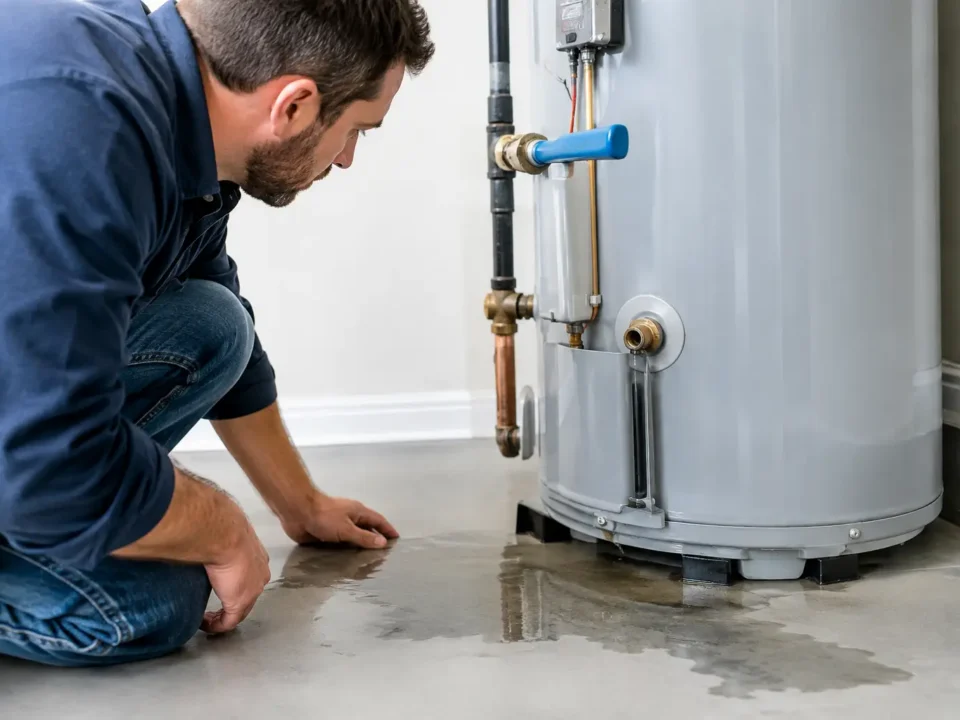
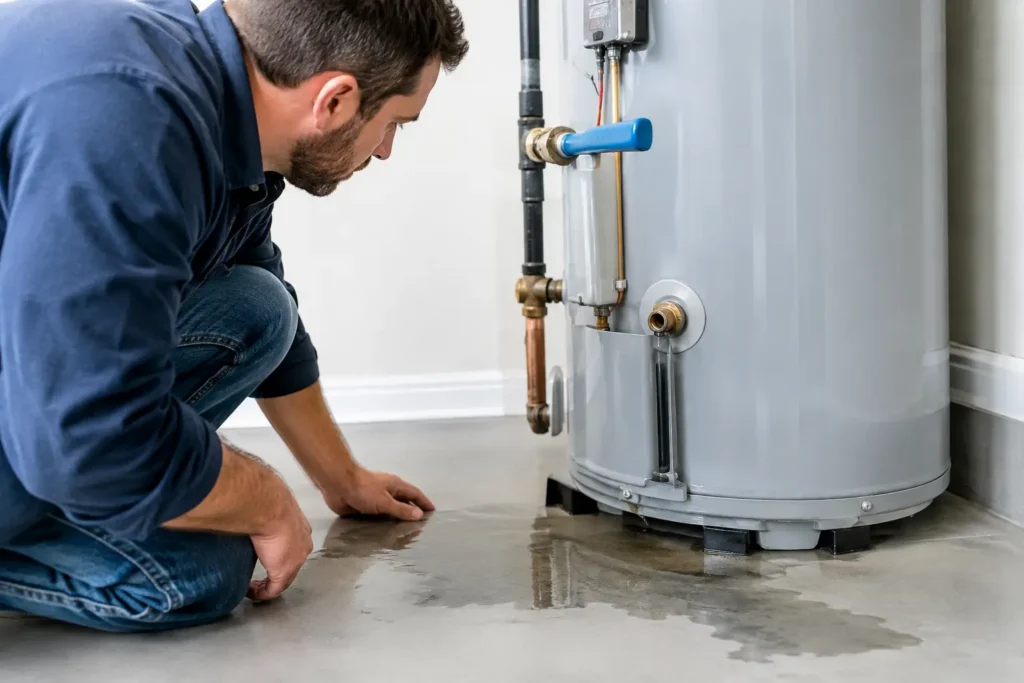
Call for service promptly if you see water collecting around the base of the tank. Condensation can occur in some situations, but a persistent leak may point to a failed tank. Once the tank lining has deteriorated, it cannot be repaired safely.
Water Heater Replacement Steps Before Installation
The first step is an on-site evaluation. A technician should inspect the current water heater, confirm its fuel type, measure the installation area, and assess the condition of the connections, shutoff valves, venting, and drain pan. This is also the time to discuss how much hot water your household or building actually uses.
For a home with one or two people, the capacity needs may be very different from a household with several bathrooms, a large soaking tub, and back-to-back morning showers. Property managers and commercial decision-makers may need to account for tenant demand, business hours, fixtures, and downtime planning.
The replacement estimate should clearly identify the proposed equipment and installation scope. Ask whether it includes removal and disposal of the old unit, permits where required, code-related upgrades, new supply connections, a drain pan, expansion tank, venting changes, and startup testing. A low initial price can become less attractive if essential safety work appears later as an add-on.
Choose the Right Type and Size
Tank water heaters store a set amount of heated water, commonly ranging from 30 to 75 gallons in residential applications. They are a familiar option and can be a practical fit when replacing a comparable existing system. The key measurement is not only tank capacity but also the first-hour rating, which estimates how much hot water the unit can supply during a busy hour.
Tankless water heaters heat water on demand. They save space and can provide continuous hot water when sized correctly, but they have flow-rate limits. A tankless unit must be selected based on the number of fixtures likely to run at once and the incoming water temperature. Installation may also require changes to gas supply, venting, or electrical service.
Fuel choice matters. Replacing a gas water heater with another gas model may be straightforward if the existing system meets current requirements. Electric units may be appropriate in some homes, but they can require adequate electrical capacity and may have different recovery rates. Heat pump water heaters can be highly efficient, though they need enough surrounding space and work best in areas with suitable temperatures.
There is no universal best choice. The right water heater depends on your usage, building layout, budget, energy priorities, and the condition of the existing installation.
What Happens on Replacement Day
A professional installation starts with safety. The technician shuts off the water supply and turns off the fuel or electrical power to the existing heater. Gas units require the gas supply to be shut off properly. Electric units must be de-energized at the breaker before any wiring is handled.
Next, the old tank is drained. This can take time, particularly if sediment has accumulated inside the unit. The installer disconnects water lines, venting or electrical connections, and other required components before removing the old water heater from the property.
The installation area is then prepared for the new equipment. Depending on the job, this may include placing the heater in a code-compliant drain pan, updating water connections, installing an expansion tank, checking the shutoff valve, and confirming that the temperature-and-pressure relief valve has a proper discharge route. These details are not cosmetic. They help limit water damage and reduce safety risks if the system experiences excessive pressure or temperature.
For gas models, the technician verifies venting and combustion-air requirements, connects the gas line, and performs leak testing. For electric models, the electrical connection is completed according to the equipment specifications and applicable code. A tankless installation may involve additional venting, gas-piping, or electrical work based on the model selected.
Filling, Testing, and Setting Up the New Unit
A new tank water heater must be completely filled with water before power is turned on. Energizing an electric heating element in an empty tank can damage the equipment. Once the tank is full, the installer checks for leaks at the supply lines, drain valve, and relief valve connection.
The system is then started and tested. The technician should confirm normal operation, verify safe venting on gas equipment, check for proper water temperature, and make sure the hot-water supply reaches fixtures as expected. Most households should use a water heater setting around 120 degrees Fahrenheit to reduce scalding risk while maintaining comfortable hot water. Some households and commercial settings have different needs, so ask your technician what setting is appropriate.
Before leaving, the installer should explain basic operation, maintenance needs, warranty information, and what to do if you notice a problem. Keep the paperwork in a place where you can find it later. It can be useful for warranty claims, future maintenance, and property records.
Do Not Skip Permits, Venting, or Safety Components
Water heater replacement can trigger code requirements, particularly when the equipment type, location, fuel source, or venting method changes. Requirements vary by jurisdiction, and Northern Virginia homes may have different considerations depending on the city or county. Permitting and inspection, when required, provide a second check that the work meets current safety standards.
Avoid treating safety components as optional upgrades. A correctly installed temperature-and-pressure relief valve, drain pan where needed, proper discharge piping, appropriate venting, and secure fuel or electrical connections are part of a responsible installation. These items protect the equipment, the building, and the people using it.
DIY replacement can look simple in an online video, but small mistakes can have serious consequences. Incorrect gas connections can create leak risks. Improper venting can allow combustion gases into the building. Poorly installed relief-valve piping can create hazards under pressure. Even a basic tank replacement can involve heavy equipment, hot water, code requirements, and connections that deserve trained attention.
Plan for Reliable Hot Water After Replacement
A new water heater needs occasional care. For tank models, periodic flushing can help manage sediment buildup, especially in areas with mineral-rich water. The anode rod may also need inspection over the life of the unit because it helps protect the tank from internal corrosion. Tankless units may require descaling at intervals based on water conditions and manufacturer guidance.
If your existing water heater is leaking, producing rusty water, or no longer keeping up with demand, do not wait for a complete failure. AAA HVAC can help you evaluate the unit, understand your replacement options, and move forward with an installation that puts safety, comfort, and long-term reliability first.