Whole Home Humidifier Review for Smarter Choices
August 14, 2026
AC Installation Versus Repair: Which Pays Off?
August 16, 2026

A furnace replacement is not just a question of whether the new unit will turn on. The high efficiency furnace trends shaping current equipment choices affect fuel use, winter comfort, installation requirements, and the long-term cost of ownership. For homeowners and property managers, the best choice is rarely the model with the highest number on the brochure. It is the system that fits the building, budget, fuel source, and comfort expectations.
High Efficiency Furnace Trends That Matter Most
The major shift in furnace technology is not that high-efficiency equipment is new. It is that more homeowners are comparing efficiency with comfort control, connectivity, and future heating options at the same time. A basic replacement can still make sense in some buildings, but a like-for-like decision may overlook operating savings or installation changes that deserve attention.
AFUE ratings remain the starting point
Annual Fuel Utilization Efficiency, or AFUE, measures how much of a furnace’s fuel becomes usable heat over a typical season. An 80% AFUE furnace turns about 80 cents of every fuel dollar into indoor heat. A 95% AFUE model captures more heat before exhaust leaves the system, which can reduce natural gas consumption.
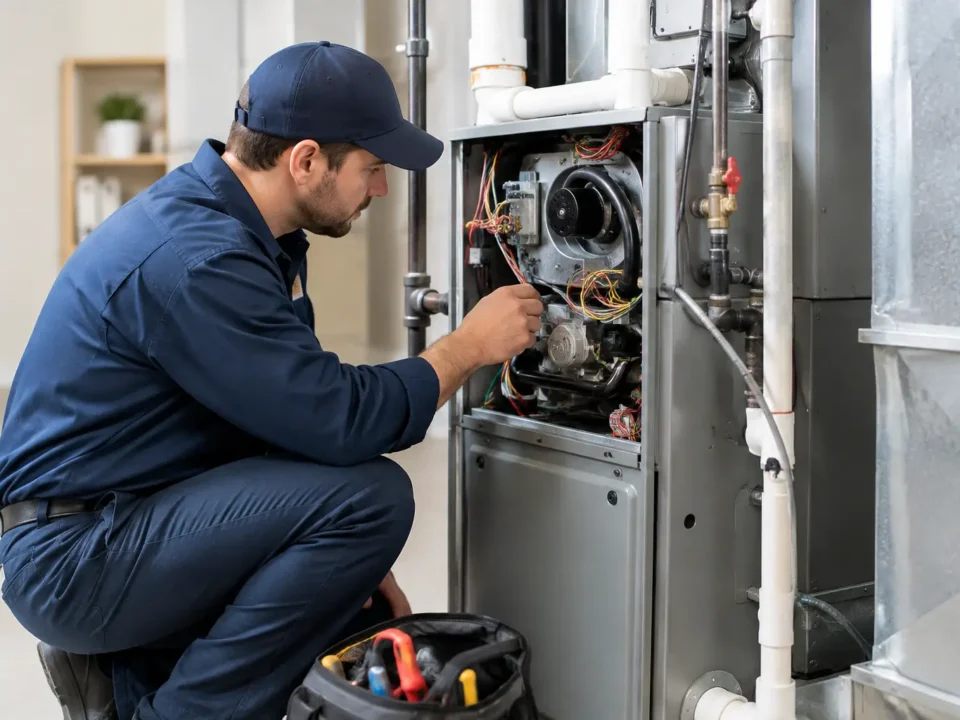
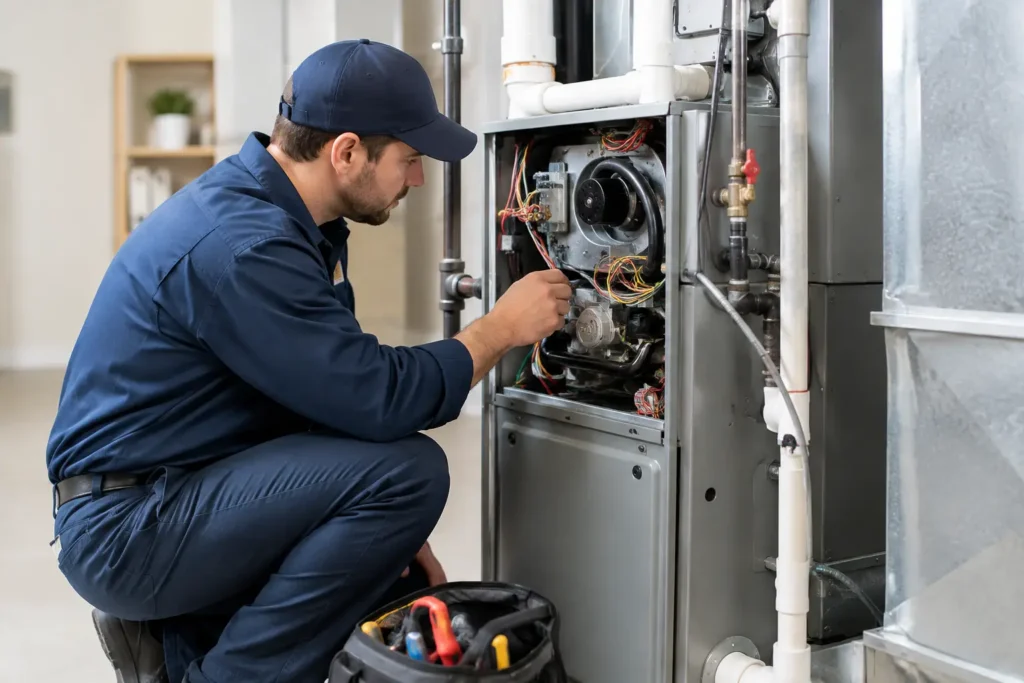
High-efficiency gas furnaces generally start around 90% AFUE and use condensing technology. They pull additional heat from the combustion process, creating water condensate that must drain properly. They also commonly use plastic venting rather than a traditional metal flue. These differences can improve efficiency, but they make installation details especially important.
A higher AFUE rating can be worthwhile in Northern Virginia, where heating runs for months but does not face the sustained extremes of colder northern climates. The expected savings depend on local fuel prices, the efficiency of the old furnace, insulation, thermostat habits, and how long the building will be occupied. Replacing a 20-year-old, 80% furnace is a very different calculation than replacing a newer 92% unit that still operates reliably.
Better comfort control is becoming a priority
Two-stage and modulating furnaces are gaining attention because they address a common complaint: a home feels hot near the thermostat but cool in distant bedrooms. A single-stage furnace is either on at full output or off. A two-stage model can run at a lower setting during milder weather, while a modulating furnace can make smaller adjustments to better match demand.
Longer, lower-output heating cycles can create steadier temperatures and quieter operation. Pairing this equipment with a variable-speed blower can also improve airflow control. That does not mean every home needs a modulating furnace. The added equipment cost and control complexity may not produce a meaningful return in a smaller, well-balanced home. In a larger home with uneven temperatures, however, the comfort difference can be substantial.
Smart controls are useful when they solve a real problem
Connected thermostats and furnace controls are another visible trend. They can support scheduling, remote temperature changes, maintenance reminders, and system alerts. For property managers, remote visibility can be particularly useful when a vacant unit, office, or rental property needs monitoring during a cold spell.
The technology should support the heating system rather than complicate it. Not every thermostat is compatible with every variable-speed or communicating furnace, and incorrect setup can limit features or cause erratic operation. A qualified technician should confirm compatibility before a thermostat purchase becomes part of a replacement plan.
Why Installation Quality Has Become More Important
A high-efficiency furnace cannot deliver its rated performance if it is oversized, poorly vented, or installed without proper drainage. This is where the trend toward more advanced equipment has raised the value of experienced installation.
An oversized furnace may heat a space quickly, but it can cycle on and off too often. That can create temperature swings, increase wear, and reduce the advantages of multi-stage equipment. Proper sizing should consider the building’s square footage, layout, insulation, windows, air leakage, and existing heating performance. The old furnace’s capacity is a clue, not proof that the same size is correct.
Condensing furnaces also need a correctly routed condensate drain and properly installed intake and exhaust piping. In cold weather, vent termination placement matters. Drainage and venting problems can lead to shutdowns when a homeowner needs heat most. Saving money by treating a high-efficiency installation as a simple equipment swap can become expensive later.
For commercial spaces, equipment decisions often involve additional concerns, including operating hours, occupancy patterns, access for maintenance, and the impact of downtime. A system that is efficient on paper but difficult to service during business operations may not be the right fit.
The Furnace and Heat Pump Conversation Is Growing
One of the most relevant high efficiency furnace trends is that many replacement discussions now include heat pumps. Modern heat pumps can provide efficient heating during much of a Northern Virginia winter, while a gas furnace can provide dependable backup heat during colder conditions. This dual-fuel approach may appeal to homeowners who want to reduce gas use without giving up the fast, familiar heat of a furnace.
A heat pump is not automatically the best replacement for every property. Electrical capacity, equipment location, existing system design, upfront cost, and homeowner preferences all matter. Some homes are well served by a new high-efficiency furnace paired with a compatible air conditioner. Others may benefit from a heat pump and furnace combination. The right answer should follow an evaluation of the home, not a one-size-fits-all trend.
Incentives can influence the decision, too. Utility programs, manufacturer promotions, and available tax incentives can change over time and often have specific efficiency, installation, or documentation requirements. Verify current eligibility before making a purchase decision based on a projected rebate or credit.
What to Compare Before Choosing a Furnace
When reviewing furnace options, look beyond the advertised AFUE rating. The useful comparison is between complete installed systems, including the equipment’s capacity, performance features, warranty terms, controls, venting needs, and expected maintenance requirements.
Ask whether the furnace is single-stage, two-stage, or modulating, and whether it includes a variable-speed blower. Find out what changes the installation requires, especially if the existing furnace uses a metal flue. Request a clear explanation of labor coverage and manufacturer parts coverage. If financing is part of the decision, compare the total project cost and payment terms instead of focusing only on the monthly number.
It is also reasonable to ask what happens if the furnace does not perform as expected. A trustworthy contractor should explain how they verify operation after installation and how service concerns are handled. AAA HVAC technicians can assess existing equipment, comfort concerns, and installation conditions so customers have a clear basis for choosing the next system.
Maintenance Is Part of High Efficiency
High-efficiency equipment is designed to save fuel, but it still needs regular care. A neglected filter can restrict airflow and contribute to overheating. Condensate drains can clog. Ignition components, pressure switches, burners, and venting should be checked during professional maintenance.
For homeowners, the practical habits are simple: use the correct filter type and replace it on schedule, keep the area around the furnace accessible, and respond quickly to new noises, water near the unit, unusual cycling, or a loss of heat. For facility managers, scheduled maintenance and documented inspections help reduce emergency calls and protect uptime.
The most useful trend is not a feature that looks impressive on a specification sheet. It is a heating system selected carefully, installed correctly, and maintained before a small issue becomes a no-heat emergency.