How to Reduce HVAC Noise Without Guesswork
August 28, 2026
Benefits of Preventative HVAC Maintenance
August 30, 2026

A system that worked fine last season can still fail on the first 90-degree afternoon or the first hard freeze. This seasonal HVAC tune up guide helps homeowners, property managers, and business owners prepare before weather puts real demand on their equipment. A timely visit can identify worn parts, airflow concerns, and safety issues while there is still time to address them on your schedule.
Preventive maintenance is not a promise that no repair will ever be needed. It is a practical way to reduce avoidable breakdowns, improve system performance, and make better decisions about an aging furnace, heat pump, or air conditioner. In Northern Virginia, where humid summers and cold winter stretches can both be demanding, that preparation matters.
Why Seasonal HVAC Maintenance Pays Off
Heating and cooling equipment operates under stress when outdoor temperatures are at their most extreme. Small issues that are easy to overlook during mild weather can become larger problems when the system runs for hours at a time. A weak capacitor may leave an air conditioner struggling to start. A dirty filter can restrict airflow and make a furnace work harder. A loose electrical connection can affect reliability in either season.
A professional tune-up is designed to catch those conditions early. The technician evaluates operation, verifies critical controls, checks electrical components, and looks for signs that a repair is needed. The goal is not to replace parts unnecessarily. It is to give you a clear picture of the system’s condition and explain recommended work before a minor concern interrupts your comfort.
Maintenance can also support efficiency. When airflow, refrigerant performance, and key components are operating as intended, the system has a better chance of meeting the thermostat setting without excessive runtime. Results vary by equipment age, condition, insulation, and thermostat habits, but neglected systems rarely become more efficient with time.
Seasonal HVAC Tune Up Guide: The Best Time to Schedule
For most homes and commercial spaces, plan cooling maintenance in spring and heating maintenance in early fall. Scheduling before peak season gives you more flexibility than waiting until the first heat wave or cold snap. It also gives a technician time to order a part or plan a repair if the inspection reveals a problem.
Spring: Prepare the Cooling System
Spring service focuses on the equipment that will carry your home or business through summer heat and humidity. The outdoor unit, indoor blower components, electrical controls, and thermostat all need to work together. If your cooling system is a heat pump, it should receive spring attention even though it also provides heat during other parts of the year.
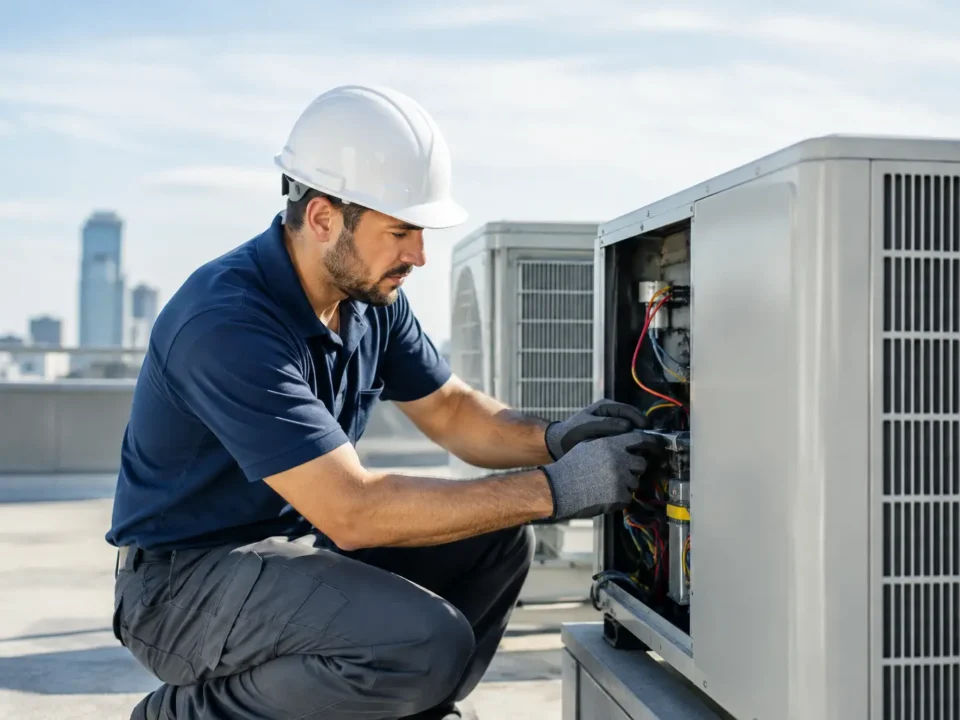
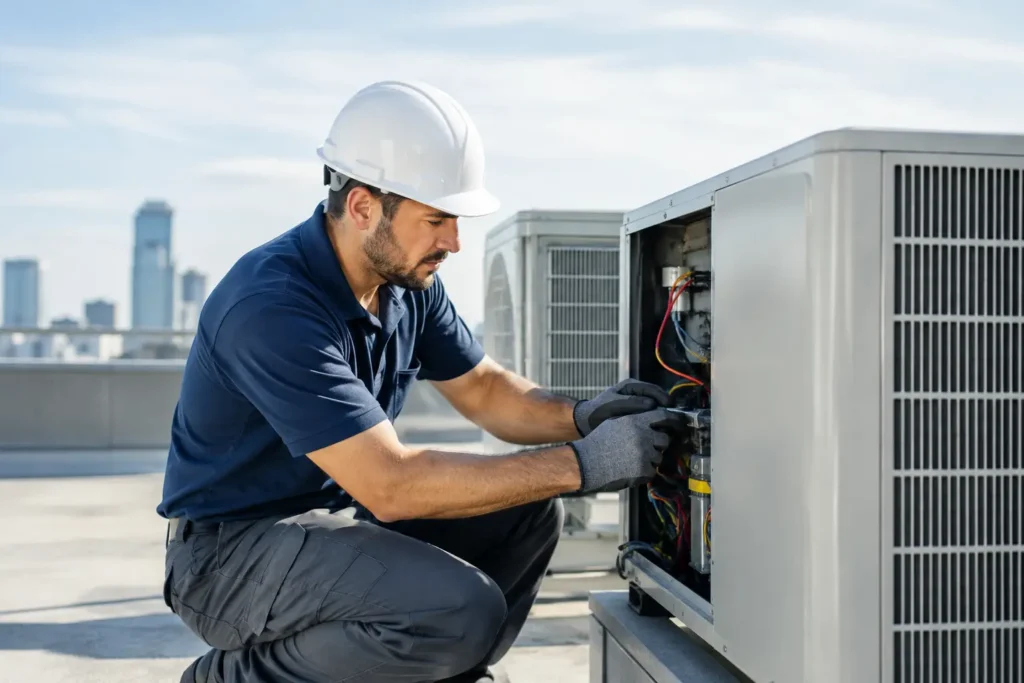
A cooling tune-up commonly includes checking the thermostat response, inspecting electrical connections, testing capacitors and contactors, verifying system operation, and assessing refrigerant performance. The technician may also inspect the condensate drain, which helps carry away moisture produced during cooling. A blocked drain can lead to water issues or trigger a system shutdown, depending on the installation.
Homeowners can help before the appointment by clearing leaves, mulch, and stored items away from the outdoor unit. Keep the area around it open so it can release heat effectively. Do not cover the unit while it is operating, and do not attempt to open electrical panels or add refrigerant yourself.
Fall: Prepare the Heating System
Fall maintenance centers on safe, dependable heating before overnight temperatures drop. Furnaces require particular attention because combustion, venting, and safety controls are part of normal operation. Heat pumps need a heating-performance check and should be evaluated before they move into heavy winter use.
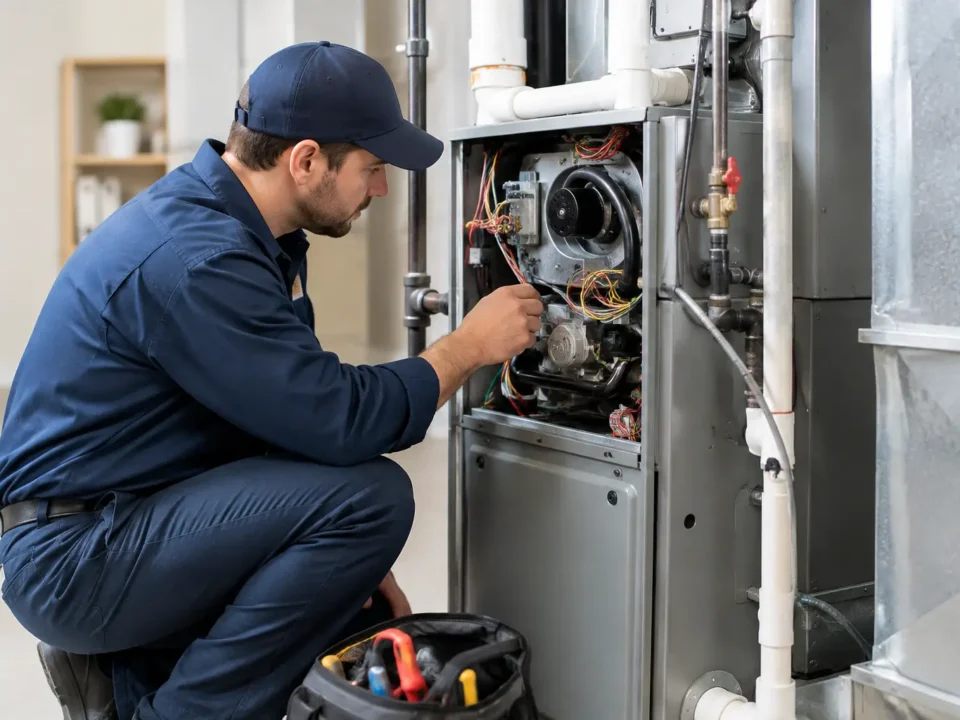
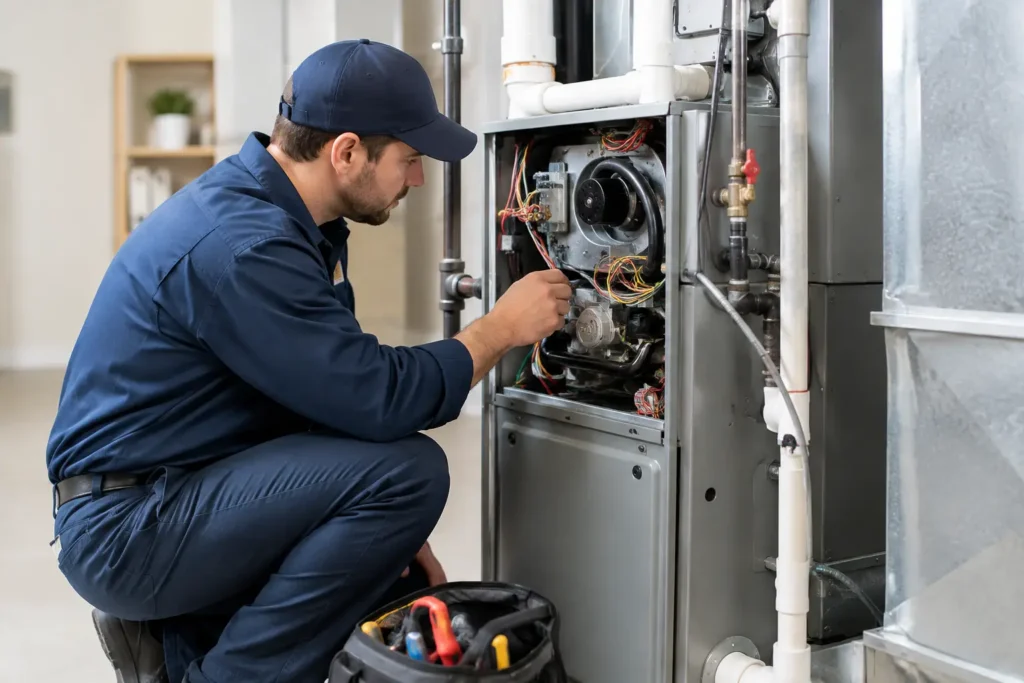
During a heating visit, a qualified technician can inspect the ignition sequence, safety controls, blower operation, electrical components, and thermostat performance. For a gas furnace, the technician also evaluates combustion-related components and checks for conditions that could affect safe operation. If a concern is found, ask for a straightforward explanation of the urgency, available repair options, and what could happen if the repair is delayed.
Changing the air filter before the heating season is one of the simplest steps a property owner can take. Use the filter type and replacement interval recommended for your equipment. A denser filter is not automatically better if the system is not designed for it. The right filter balances particle capture with the airflow your equipment needs.
What a Professional Tune-Up Should Cover
A thorough service visit is more than turning the system on and confirming that air comes out of the vents. The exact checklist depends on the equipment type, age, and manufacturer requirements, but a qualified HVAC technician should evaluate the system as a whole.
That generally means checking thermostat operation, airflow, electrical connections, moving components, and safety controls. On cooling equipment, refrigerant-related performance and condensate drainage deserve attention. On heating equipment, ignition, combustion-related components, and venting are key areas. The technician should also look for visible wear, unusual noises, temperature inconsistencies, and evidence of strain.
You should leave the appointment with useful information, not vague reassurance. Ask whether the equipment is operating normally, whether any parts show wear, and whether repairs are urgent or can be planned. For older systems, ask what service history or repair pattern would make replacement a more sensible financial choice. There is no single age at which every system should be replaced. Maintenance history, repair costs, efficiency, and reliability all matter.
Between Visits: What Property Owners Can Watch For
Professional maintenance handles the technical work, but regular observation helps you catch changes sooner. Listen for banging, grinding, screeching, or repeated clicking when the system starts. Notice whether certain rooms stay warmer or cooler than others, whether the thermostat is slow to respond, or whether energy bills rise without a clear change in weather or usage.
A few routine checks are worthwhile throughout the year:
- Replace or inspect the air filter on the schedule recommended for your system and household conditions.
- Keep supply and return vents open and clear of furniture, rugs, and stored items.
- Check that the outdoor unit has open space around it and is free of seasonal debris.
- Test carbon monoxide alarms regularly if your property has gas-fired heating equipment.
These steps do not replace trained service, but they can protect airflow and alert you to a developing issue. If you smell gas, notice a burning odor that does not quickly dissipate, see water around the equipment, or have no heat or cooling during extreme weather, arrange professional service promptly. For a suspected gas leak, leave the area and follow your gas utility’s emergency instructions.
Maintenance Priorities for Commercial Properties
Commercial HVAC maintenance is often less about one thermostat and more about keeping occupied spaces, equipment rooms, tenants, and business operations comfortable. A short outage can affect employees, customers, inventory, or building systems. Property managers should schedule service around seasonal demand and keep maintenance records for each unit, including repair dates, filter changes, recurring performance concerns, and equipment age.
The right schedule depends on the property. A lightly used office may have different needs than a restaurant, retail space, medical office, or multi-tenant building. Systems with longer operating hours, higher occupancy, or more demanding indoor conditions may need more frequent attention. A technician can help establish a maintenance plan based on equipment type and actual use rather than a one-size-fits-all calendar.
Budgeting is another benefit. When inspections identify a declining component or an aging unit before an emergency, decision-makers have time to compare repair and replacement options. That is usually preferable to making a major decision during a service interruption.
Do Not Wait for a Breakdown
The best time to schedule maintenance is when your HVAC system is still operating and outdoor temperatures are manageable. Waiting for the first hot day or cold night can mean limited appointment options and more pressure to make a quick repair decision.
AAA HVAC provides professional heating and cooling maintenance for homeowners and commercial customers across Northern Virginia. NATE-certified technicians can inspect your equipment, explain what they find clearly, and help you plan the next step with confidence.
A seasonal appointment is a small, practical way to protect the comfort you rely on every day. Set a spring reminder for cooling service and a fall reminder for heating service, then give your system attention before it has to work its hardest.