Seasonal HVAC Tune Up Guide for Northern Virginia
August 29, 2026
Furnace Maintenance Before Winter: What to Do
August 31, 2026
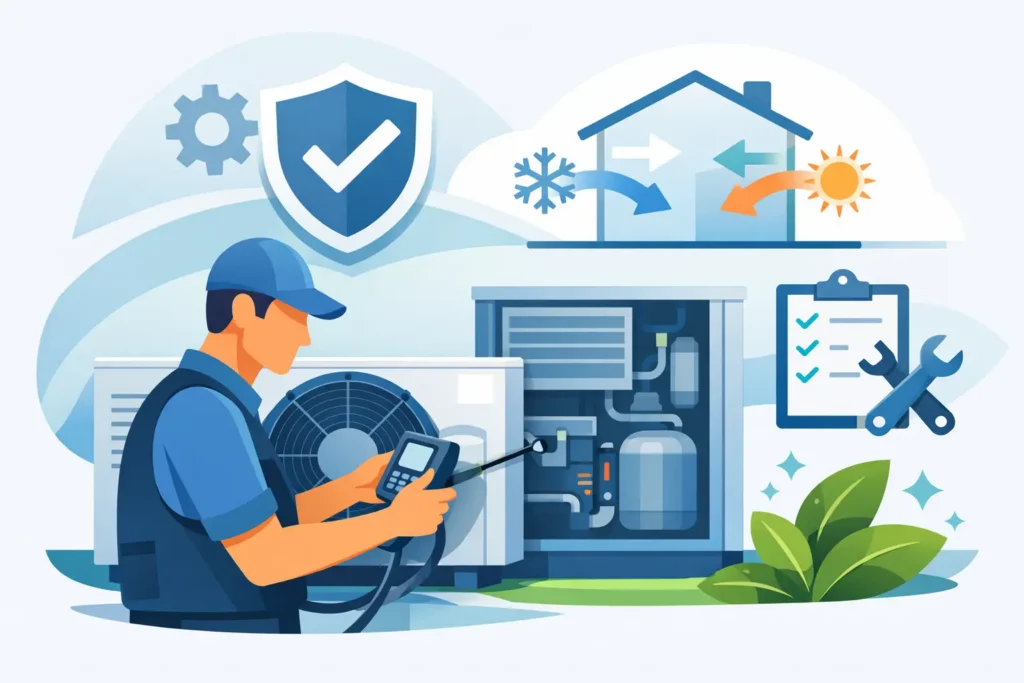
A cooling system rarely chooses a convenient time to fail. It tends to happen during a humid Northern Virginia heat wave, on the first cold night of the season, or when a busy property needs every room comfortable. The benefits of preventative HVAC maintenance are most visible in those moments: fewer surprises, steadier performance, and more time to make decisions before a small issue becomes an urgent repair.
For homeowners, maintenance protects the comfort and budget of the household. For property managers and business owners, it supports occupancy, employee comfort, and day-to-day operations. It is not a guarantee that a system will never need repair, but it is one of the most practical ways to reduce avoidable breakdowns and keep equipment working as intended.
How Preventative HVAC Maintenance Protects Your System
Heating and air conditioning equipment operates under stress. In summer, an air conditioner must move heat out of the building while running for long periods in high humidity. In winter, a furnace depends on safe combustion, reliable electrical components, and proper airflow to provide consistent heat. Dust buildup, worn parts, loose connections, drainage issues, and restricted filters can all affect performance over time.
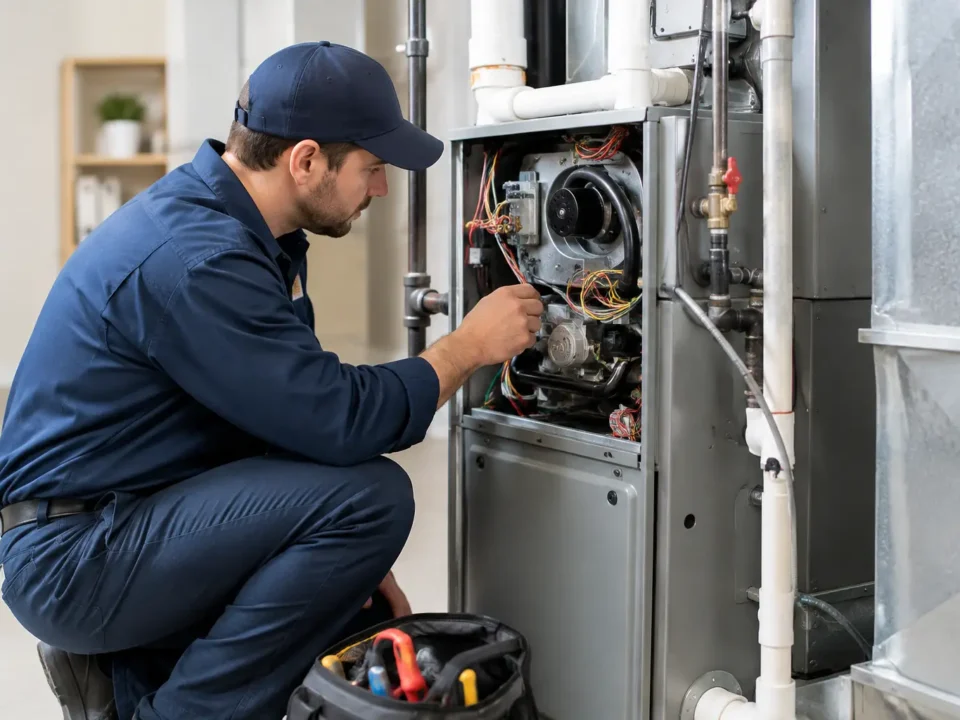
A scheduled maintenance visit gives a trained technician the chance to inspect the equipment before a problem escalates. The visit may include checking electrical connections, testing operating controls, examining key components, assessing airflow, cleaning applicable areas, and looking for signs of wear. The exact work depends on the system type, condition, and season.
This early attention matters because HVAC problems often begin quietly. A weak capacitor may still allow an air conditioner to start. A blower component may make only a slight noise. A furnace may continue heating while showing early signs of a safety or efficiency concern. Finding these issues while the system is still operating can give you options instead of forcing a same-day replacement or emergency repair decision.
Fewer Unexpected Breakdowns
One of the clearest benefits of preventative HVAC maintenance is a lower risk of a preventable failure during peak demand. Technicians can identify loose wiring, worn contactors, declining motors, clogged condensate components, or other developing issues that may lead to a shutdown.
Not every breakdown can be predicted. Electronics can fail without warning, and older equipment can reach the end of its useful life despite good care. Maintenance does not change that reality. It does, however, reduce the chance that neglect, dirt buildup, or an overlooked minor repair turns into a costly interruption.
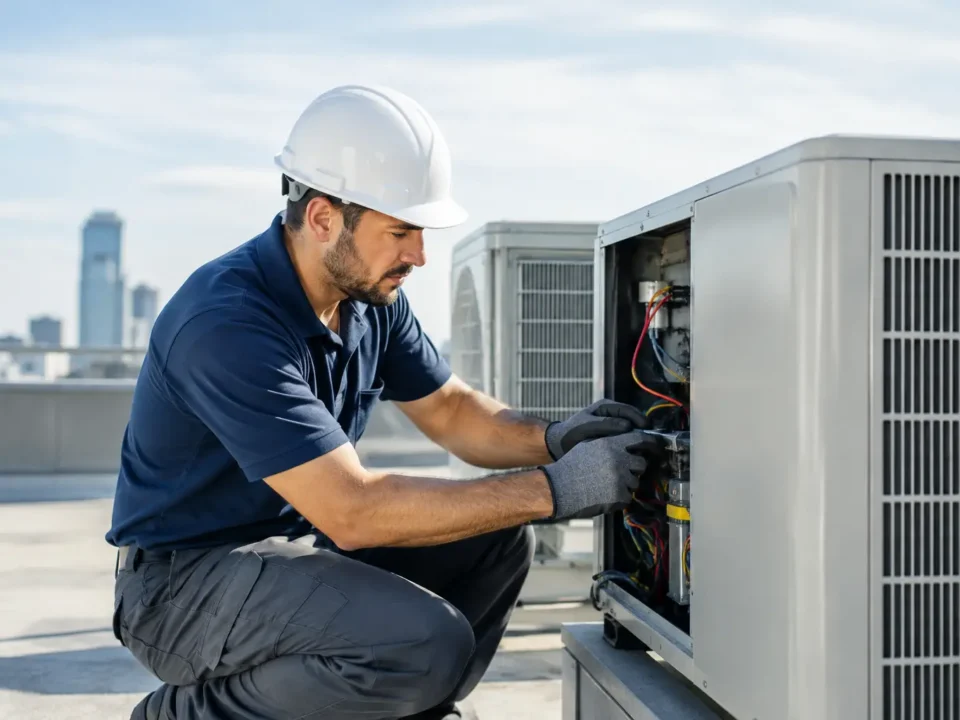
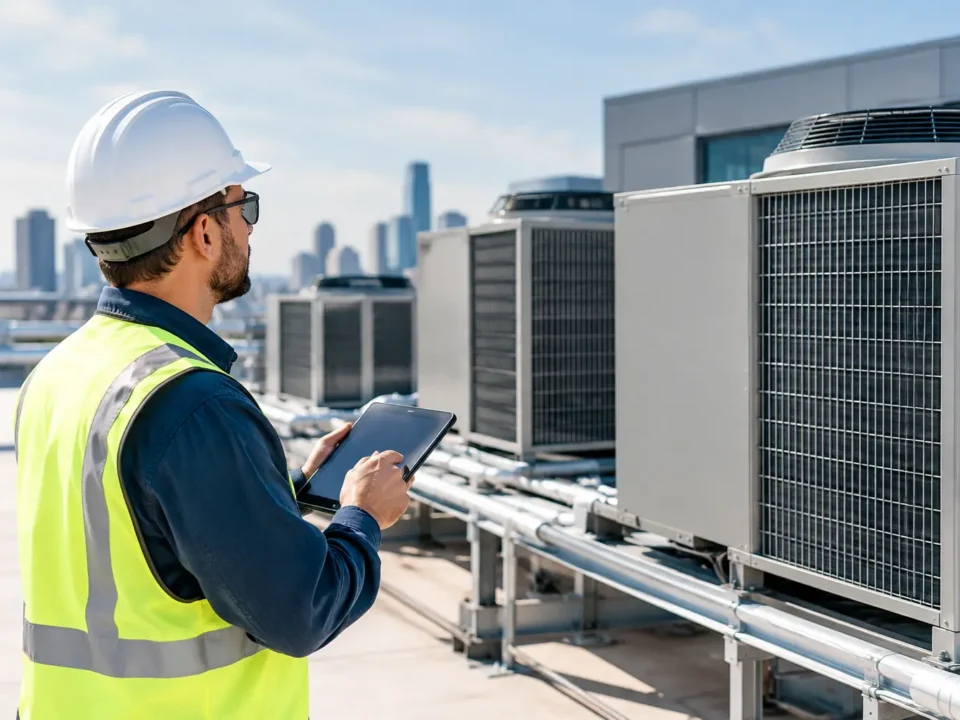
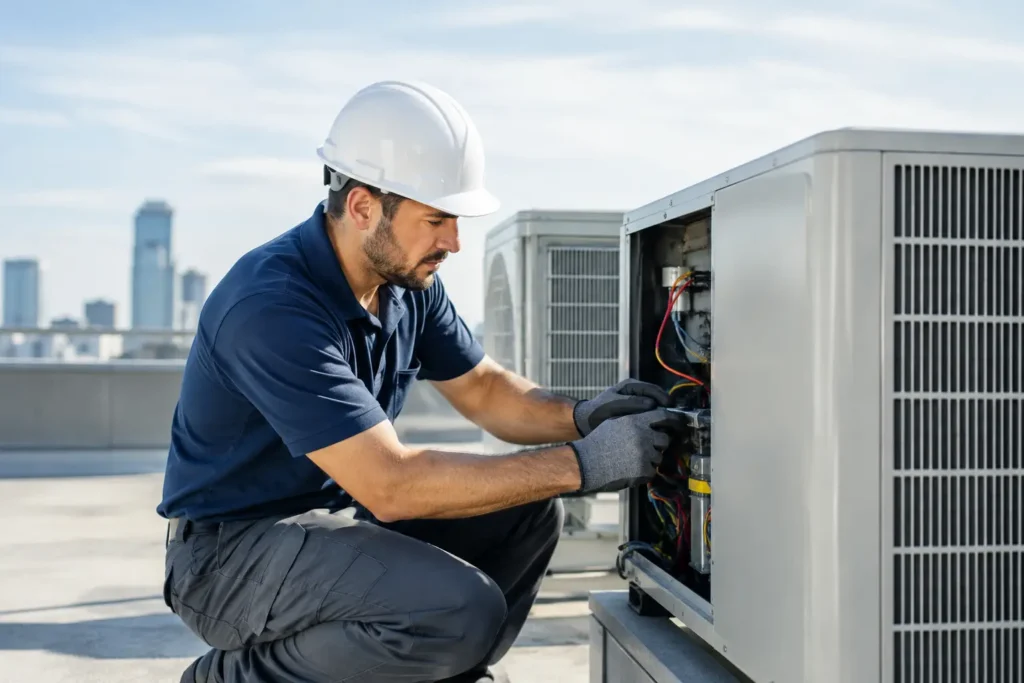
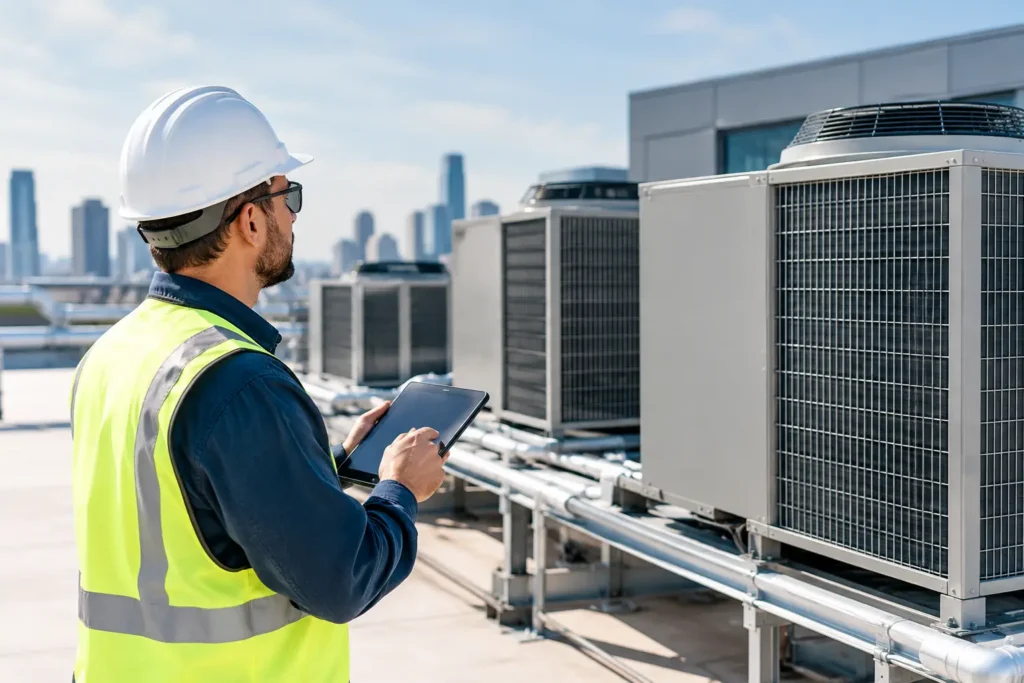
For commercial properties, this can be especially valuable. A failed rooftop unit or furnace can affect customers, staff, inventory, tenants, and business hours. Planned service helps facility teams address concerns on a schedule that makes sense for operations rather than reacting when comfort has already been lost.
More Consistent Comfort From Room to Room
If some rooms stay warm while others feel chilly, the problem is not always the thermostat. Airflow restrictions, equipment performance issues, dirty filters, incorrect settings, and aging components can all contribute to uneven comfort. Preventative service helps identify whether the system is delivering and distributing conditioned air as effectively as it should.
Maintenance cannot solve every comfort complaint by itself. A home addition, major sun exposure, poor insulation, or an improperly sized system may require a different solution. Still, confirming that the existing equipment is operating properly is the right first step. It prevents you from spending money on a larger repair or replacement before basic performance issues have been checked.
Financial Benefits of Preventative HVAC Maintenance
Maintenance is an expense, but skipping it can be more expensive when it allows a simple issue to grow. The financial value comes from controlling risk, reducing waste, and extending the time before a major equipment decision may be necessary.
Lower Energy Use When Equipment Runs Properly
An HVAC system that has to work harder than necessary generally uses more energy. Restricted airflow, dirty components, and parts that are not operating correctly can increase run times and reduce heating or cooling output. Seasonal maintenance helps keep the equipment closer to its intended operating condition.
Energy savings vary. They depend on the age and efficiency of the equipment, how the building is used, thermostat settings, insulation, weather, and the condition of the system before service. Maintenance is not a shortcut to dramatically lower utility bills if the equipment is old or undersized. But it can help prevent avoidable efficiency losses and give the system a better chance to perform consistently.
Smaller Repairs Are Easier to Plan For
A maintenance appointment can reveal repairs while they are still manageable. Replacing a worn part before it damages related components is often less disruptive than waiting for a complete system shutdown. It also gives homeowners and property managers time to understand the recommendation, review pricing, and choose the right path forward.
That planning time matters. When a system fails during extreme weather, the priority is restoring comfort quickly. During a routine visit, you can make decisions with less pressure and schedule work around your household or business needs whenever possible.
A Longer Useful Life for Major Equipment
Air conditioners and furnaces are significant investments. While no service plan can make equipment last forever, regular attention can reduce unnecessary strain on major components. Clean operation, proper airflow, and timely repairs give a system a better chance to reach its expected service life.
Age still matters. If repairs are becoming frequent, efficiency is declining, or replacement parts are difficult to obtain, investing in a new system may make more sense than continuing to repair an aging one. Preventative maintenance helps make that decision clearer because you have a record of the system’s condition rather than guessing after a failure.
What a Seasonal Maintenance Visit Should Accomplish
A useful maintenance visit should do more than confirm that the thermostat turns the system on. It should provide a professional assessment of the equipment’s current condition and flag concerns that deserve attention. Depending on your system and appointment type, a technician may focus on items such as:
- Electrical connections, controls, and safe operation
- Airflow, filter condition, and blower performance
- Cooling or heating components showing wear or reduced performance
- Condensate drainage and signs of moisture-related concerns
- Thermostat operation and practical recommendations for system care
The technician should also communicate clearly. If a repair is recommended, ask what the issue is, how urgent it is, what may happen if it is delayed, and whether there are repair or replacement options. Straight answers help you protect your comfort without authorizing work you do not understand.
The Right Maintenance Schedule Depends on the Property
Most homes benefit from professional HVAC maintenance twice a year: cooling service before heavy summer use and heating service before winter. This schedule allows the technician to focus on the equipment that is about to carry the greatest load.
Some systems may need more attention. A commercial property with long operating hours, multiple units, high occupancy, or sensitive temperature requirements may require a customized plan. Homes with pets, high indoor dust levels, older equipment, or family members sensitive to indoor comfort changes may also benefit from closer monitoring.
Between visits, property owners can help by checking filters regularly and replacing them according to the manufacturer’s guidance and household conditions. Keeping the area around indoor and outdoor equipment accessible also makes inspections and repairs safer and more efficient. If you hear new noises, notice weak airflow, smell something unusual, or see water where it should not be, schedule service rather than waiting for the next planned visit.
Maintenance Builds Confidence Before Extreme Weather
The best time to think about your air conditioner is before the first stretch of 90-degree days. The best time to assess your furnace is before the temperature drops and you need dependable heat overnight. Preventative HVAC maintenance shifts the focus from reacting to a failure to protecting comfort ahead of the season.
For Northern Virginia homeowners and commercial decision-makers, that preparation can mean fewer urgent calls, better control over repair costs, and greater confidence that the system is ready for the work ahead. AAA HVAC provides qualified service designed to identify concerns early and help you make clear, informed decisions about your heating and cooling equipment.