Equipment Financing Terms for HVAC Buyers
November 27, 2026
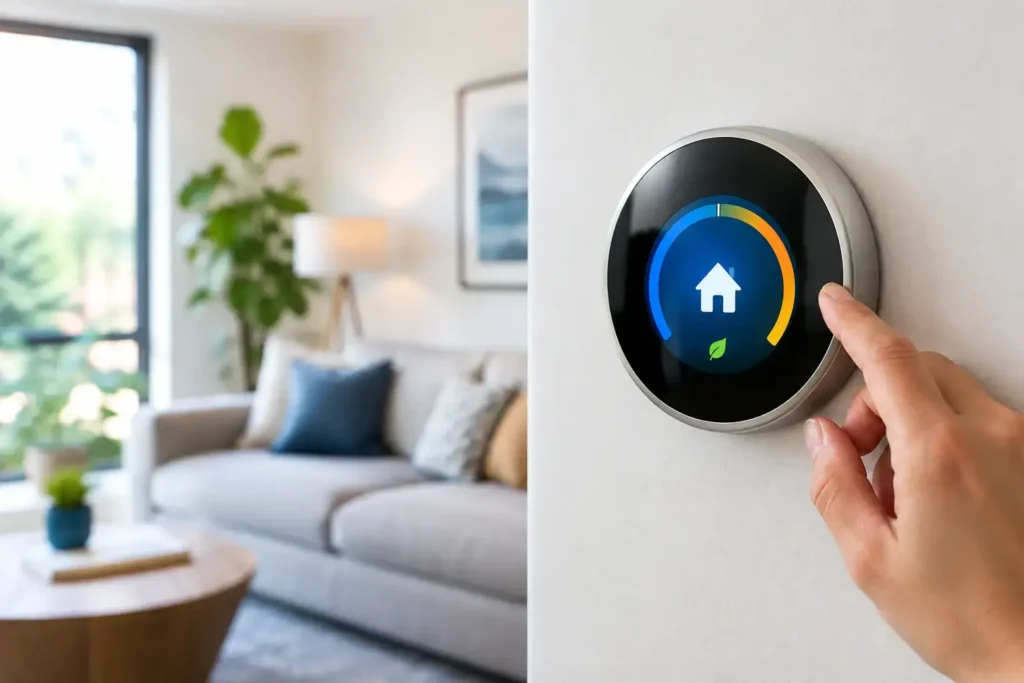
A thermostat can make a well-maintained heating and cooling system feel inconsistent when it is poorly placed, incorrectly programmed, or difficult to use. Smart thermostats give homeowners more control over daily comfort, but they are not automatically the right answer for every home or HVAC system. The best choice depends on your equipment, wiring, household schedule, and what is actually causing the comfort problem.
For many Northern Virginia homeowners, smart thermostats are worthwhile because temperatures can shift quickly between cool mornings, warm afternoons, and humid summer days. Used correctly, they can reduce unnecessary runtime while helping your home stay comfortable when you are there. Used incorrectly, they can create short cycling, uneven temperatures, and frustration that looks like an equipment failure.
What Smart Thermostats Actually Do
A smart thermostat connects your heating and cooling controls to an app, Wi-Fi network, or other home devices. That connection lets you change settings remotely, create schedules, review energy-use patterns, and receive alerts when indoor temperatures move outside a chosen range.
The useful features are usually practical, not flashy. You may be able to lower the heat while everyone is at work, bring the temperature back up before you return, or adjust the air conditioning from bed instead of walking downstairs. Some models use occupancy sensors or location-based settings to recognize when the house is empty. Others provide maintenance reminders, filter alerts, and notifications if a system runs longer than expected.
That said, the thermostat does not create heating or cooling capacity. If your furnace is undersized, your air conditioner is low on refrigerant, or airflow is restricted, a new control will not fix the underlying issue. It may alert you to a pattern, but a qualified HVAC technician still needs to diagnose the cause.
When Smart Thermostats Make Sense
Smart thermostats tend to deliver the most value in homes where the temperature is regularly adjusted or where the household follows a somewhat predictable routine. A family that leaves for school and work each weekday may benefit from automatic setbacks. So may a homeowner who travels frequently, manages a second property, or wants an alert during a winter cold snap.
They can also help when comfort habits are inconsistent. If someone repeatedly forgets to adjust the thermostat before leaving, scheduling can reduce wasted heating and cooling. Remote access is helpful for checking on a vacant house, a pet at home, or an aging family member who may need a temperature adjustment without a service visit.
For commercial properties, smart controls can be useful when operating hours change or multiple people are responsible for the building. A simple schedule and authorized remote access can prevent a system from running overnight or over a weekend by mistake. The setup needs clear limits, however. Too many users making frequent changes can work against comfort and energy goals.
The potential savings vary. A thermostat is most effective when it supports a sound HVAC system, reasonable temperature settings, and a schedule that reflects real occupancy. Homes with constant occupancy, very stable temperature preferences, or limited Wi-Fi access may see less benefit.
Features Worth Paying Attention To
When comparing models, focus on capabilities you will actually use. A clear display, straightforward app, reliable scheduling, and compatibility with your equipment matter more than a long list of connected-home features.
Remote temperature control is valuable for many homeowners, especially during travel or sudden weather changes. Room sensors can help in homes where the thermostat location does not represent the rooms people use most. For example, a thermostat in a hallway may say the home is comfortable while an upstairs bedroom remains too warm in summer.
Energy reports can be useful if they show when and why your system is running. Alerts are also helpful when they identify unusually high or low indoor temperatures. Treat these alerts as a reason to investigate, not as a final diagnosis. A message about long runtime could be caused by extreme weather, an open door, a clogged filter, poor insulation, or an HVAC repair need.
Check Compatibility Before You Buy
Compatibility is the point where a simple thermostat purchase can become a service call. Many smart thermostats require a common wire, often called a C-wire, to provide continuous power. Some homes do not have one at the thermostat location, especially older homes or systems with basic controls.
A thermostat may also need to be compatible with your specific type of equipment. Heat pumps, multistage furnaces, variable-speed systems, dual-fuel setups, humidifiers, and zoning systems can have different wiring and control requirements. Installing a device that cannot properly communicate with the system may limit performance or cause the heating and cooling equipment to operate incorrectly.
Before buying, identify the make and model of your HVAC equipment, take a photo of the existing thermostat wiring, and check the manufacturer’s compatibility tool. If anything is unclear, have an HVAC professional review the setup first. This is particularly important when your system has more than standard heating and cooling functions.
Installation Is Not Always a DIY Project
Replacing a basic thermostat can look simple, but the labels on low-voltage wires do not always tell the whole story. Wires may have been connected incorrectly during a previous installation, tucked behind the wall, or used for special equipment functions. Turning off power at the equipment is also essential before touching thermostat wiring.
Professional installation offers more than a clean wall mount. The technician can confirm compatibility, inspect the wiring, configure the thermostat for the correct equipment type, and test both heating and cooling operation. Proper configuration matters. A heat pump set up as a conventional furnace and air conditioner, for instance, may not stage heat correctly or may rely too heavily on auxiliary heat.
After installation, the thermostat should be tested through a complete cycle. That means verifying that the blower, cooling, heating, and any applicable staging functions respond as intended. A quick power-on screen is not enough.
Avoid Settings That Work Against Comfort
The most common mistake is setting aggressive temperature changes to chase savings. Raising the cooling setting a few degrees while the home is empty can make sense. Setting it so high that the house becomes hot and humid may force the system to work hard for hours when everyone returns.
The same principle applies in winter. A modest setback is often more practical than dropping the temperature dramatically and expecting rapid recovery. The right approach depends on your home, insulation, equipment type, and how long the house is unoccupied.
For heat pump owners, thermostat programming deserves extra attention. Large temperature increases can sometimes trigger auxiliary heat, which may cost more to operate. Your installer can help set schedules that fit your equipment instead of relying on generic recommendations from an app.
Do not let occupancy features create surprises, either. Location-based controls can be convenient, but they may switch modes when one household member leaves while another person remains home. Review the settings after the first week and adjust them to match real routines.
Signs the Thermostat Is Not the Main Problem
A smart thermostat can reveal patterns, but it cannot correct mechanical problems. Schedule HVAC service if you notice any of the following:
- The system runs continuously but the home does not reach the set temperature.
- Some rooms stay much warmer or cooler than the rest of the home.
- The thermostat loses power, disconnects frequently, or has a blank display.
- Heating or cooling cycles start and stop unusually often.
- You hear new noises, smell burning odors, or see water near indoor equipment.
These symptoms can point to thermostat wiring, airflow concerns, equipment wear, drainage issues, or other problems that require a proper inspection. Waiting for a smart device to solve them can allow a small repair to become a larger interruption in comfort.
A Better Way to Choose and Use One
Start with the goal, not the device. If you want fewer manual adjustments, prioritize easy scheduling. If one bedroom is always uncomfortable, consider whether a room sensor, airflow adjustment, or system evaluation is the better answer. If you want to monitor a vacant property, dependable alerts and remote access may matter most.
Once installed, give the thermostat a few weeks before judging results. Use a consistent schedule, change one setting at a time, and pay attention to how long the system runs during similar weather. Replace filters on schedule and keep preventive maintenance up to date, since a thermostat cannot compensate for neglected equipment.
AAA HVAC can help determine whether your current system is compatible with a smart thermostat and make sure the installation supports reliable heating and cooling. The right control should make comfort easier to manage, not give you another problem to troubleshoot when the temperature outside changes.