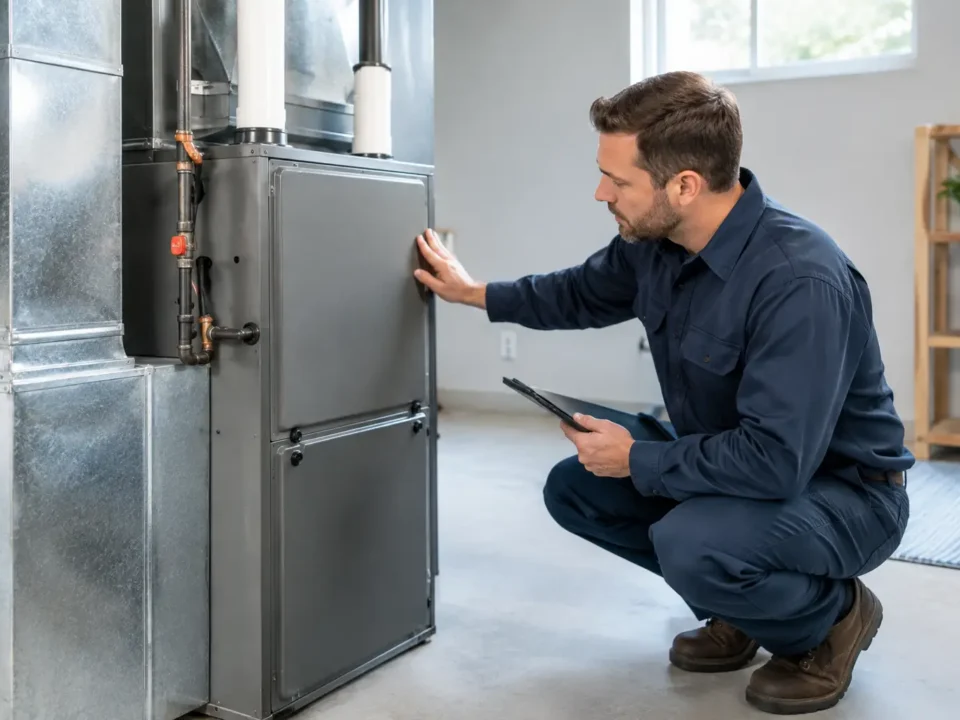
Furnace Efficiency: Lower Bills, Steadier Heat
November 1, 2026
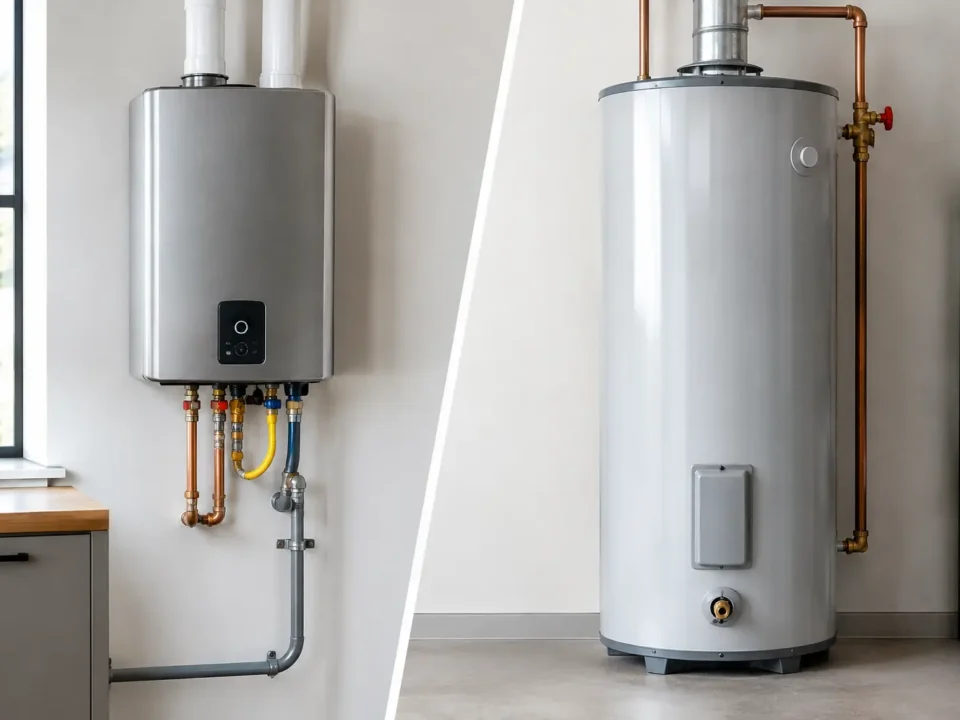
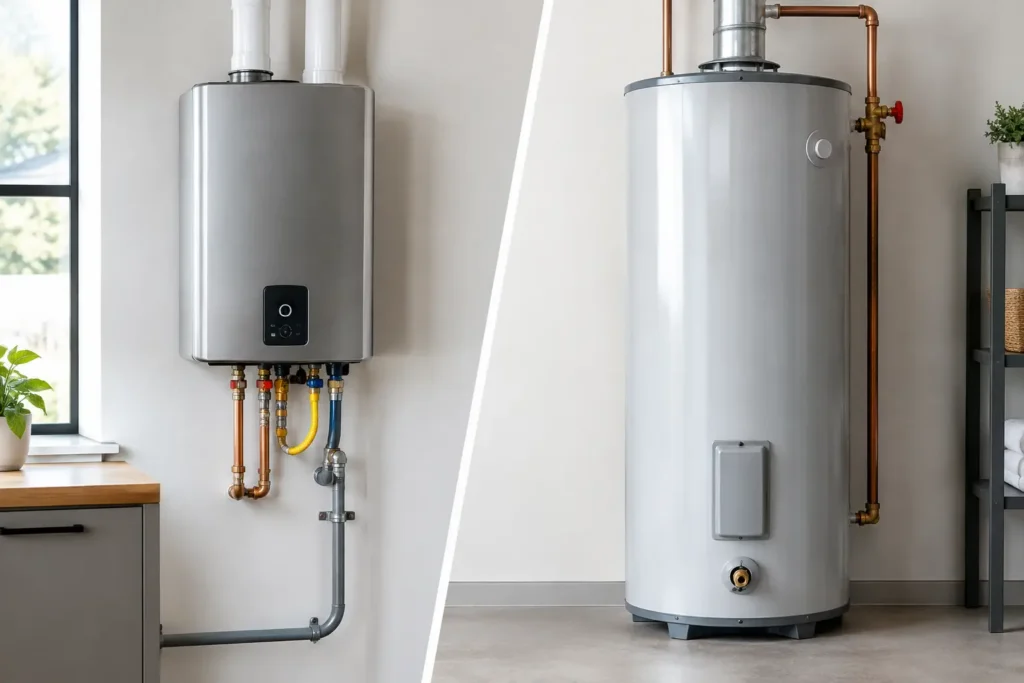
Tankless Versus Traditional Water Heaters Compared
November 5, 2026
A 20-degree difference between offices, repeated thermostat complaints, or an air conditioner that runs all day without catching up are not problems to simply manage. They are signals. Commercial HVAC diagnostics identifies what is actually causing the issue, so a repair addresses the equipment failure instead of temporarily masking its symptoms.
For property managers and business owners, the stakes are higher than a warm conference room or a noisy rooftop unit. Lost comfort can affect employees, customers, inventory, tenants, and operating costs. A qualified diagnosis gives you a clear path forward: what failed, what it will take to correct it, and whether repair or replacement makes financial sense.
What Commercial HVAC Diagnostics Involves
A proper commercial HVAC service call should begin with questions, observation, and testing – not an immediate recommendation to replace a part. The technician needs to understand when the problem occurs, which zones are affected, whether the system has changed behavior gradually or suddenly, and what recent repairs or building changes may be relevant.
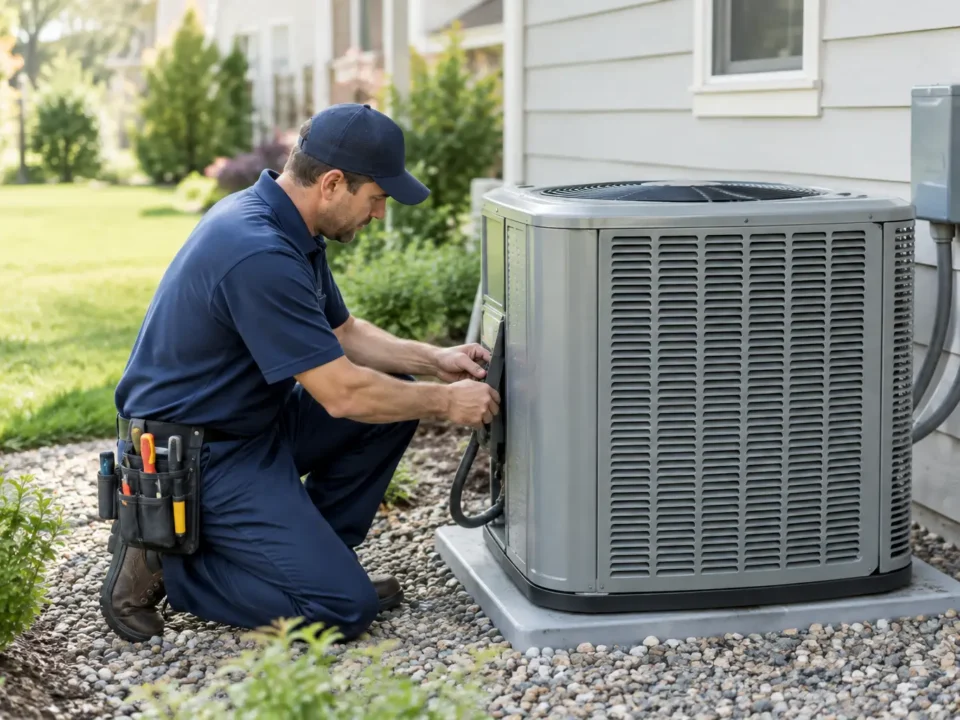
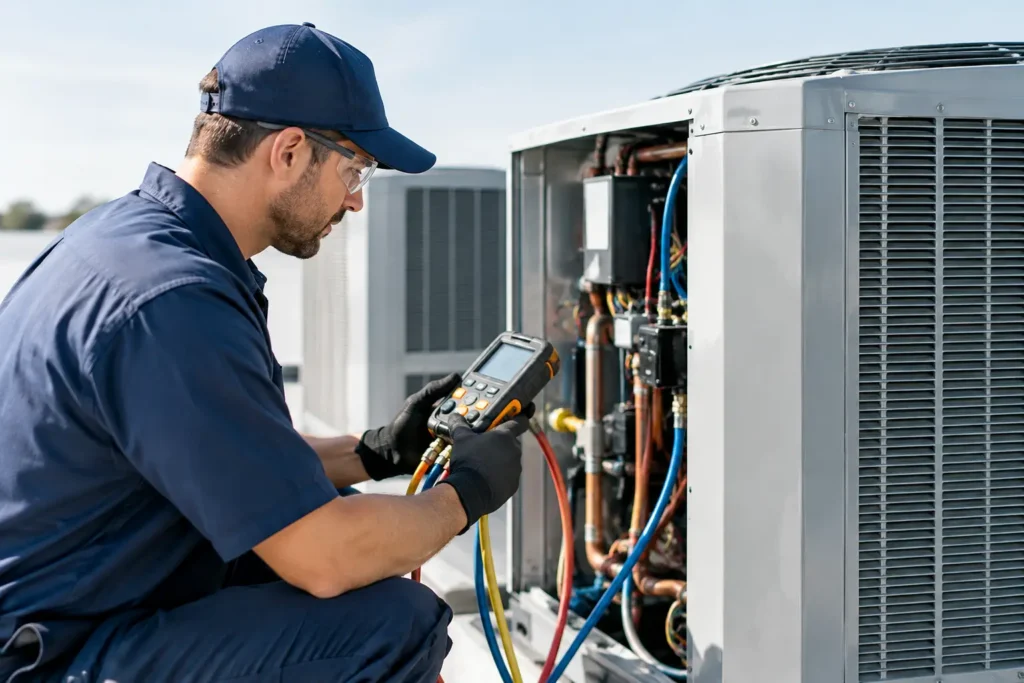
From there, diagnostics may include checking thermostat settings and control signals, measuring supply and return air temperatures, inspecting electrical components, testing refrigerant pressures, evaluating airflow, and reviewing the condition of motors, belts, coils, drains, and safety controls. On larger systems, the process can also involve examining rooftop units, split systems, heat pumps, unit heaters, or building control interfaces.
The goal is to separate the complaint from the root cause. For example, a room that will not cool may have a failed capacitor, but it could also have a blower issue, a refrigerant leak, an airflow restriction, a control problem, or a system that is undersized for current use. Replacing the first suspect part without testing can mean another service call and more downtime.
Signs Your Building Needs HVAC Diagnostics
Not every unusual sound or temperature swing means a major failure. Still, waiting until equipment stops completely often makes a repair more disruptive and more expensive. Schedule an evaluation when you notice a persistent change in performance, especially if the issue returns after a reset or minor repair.
Common warning signs include uneven temperatures between suites or rooms, rising utility costs without an obvious operational change, weak airflow, frequent cycling, water around indoor equipment, ice on refrigerant lines, unusual vibration, or recurring error codes. Staff and tenant reports matter, too. If multiple people say an area feels humid, stuffy, too cold, or too warm, there is usually a reason worth investigating.
A unit that runs continuously deserves prompt attention. It may be struggling against a failing component, poor airflow, a refrigerant issue, or an inaccurate control signal. Continued operation can put added stress on compressors, motors, and electrical parts that were not originally at fault.
When the Problem Is Urgent
Some conditions should move to the top of the service list. No heat during cold weather, no cooling during high heat, burning odors, repeated breaker trips, water leaks near equipment, or a complete shutdown can quickly affect business operations. If the building serves customers, residents, patients, or temperature-sensitive products, fast action protects more than comfort.
For urgent failures, a technician may first stabilize the system and restore safe operation. A complete diagnostic review can then determine whether the immediate repair is likely to hold or whether another issue needs to be addressed before it causes a repeat outage.
Why Guesswork Costs More
Commercial systems are interconnected. One failed belt can reduce airflow, cause coil temperatures to drop, and lead to icing. A worn contactor can create intermittent operation that looks like a thermostat problem. Low refrigerant may point to a leak, and adding refrigerant without locating that leak may only postpone the next breakdown.
That is why the cheapest first quote is not always the lowest-cost outcome. A low-cost part replacement can be appropriate when testing confirms a straightforward failure. But when symptoms are inconsistent or the equipment has a history of repeat repairs, thorough troubleshooting is the better value.
A good technician should explain findings in plain language. You should know what was tested, what was found, how the proposed repair relates to the failure, and what risks remain if you choose to delay work. Clear information helps facility teams plan approvals, communicate with tenants, and avoid surprise expenses.
The Most Common Commercial HVAC Problems
Commercial equipment varies by building, but a few issues appear often. Electrical failures are common because contactors, capacitors, relays, wiring connections, and control boards work hard through every heating and cooling cycle. These components can create intermittent problems that are easy to miss without meter testing.
Airflow problems are another frequent source of comfort complaints. A failing blower motor, loose belt, dirty coil, blocked return path, or incorrect fan setting can prevent the system from moving enough conditioned air. The equipment may still run, but the building will not feel right and energy use can climb.
Refrigerant-related problems require careful handling. A low charge can reduce cooling capacity and damage a compressor if ignored. The key question is not only whether refrigerant is low, but why. If a leak is present, identifying the source is central to a lasting repair.
Controls can also cause trouble, particularly in buildings with multiple zones or operating schedules. Incorrect programming, failed sensors, communication faults, or a thermostat placed in an unrepresentative location can make a healthy unit appear to be failing. Diagnostics should consider both the mechanical equipment and the commands it receives.
Repair, Replacement, or a Planned Next Step?
A diagnostic visit does not automatically mean replacement. Many commercial HVAC problems can be repaired reliably, especially when the equipment is maintained, parts are available, and the failure is isolated. Replacing a bad motor, capacitor, contactor, sensor, or control component can be the practical choice.
Replacement becomes a stronger consideration when the system is near the end of its expected service life, has frequent failures, uses outdated equipment, or needs a major repair with uncertain remaining life. It may also make sense if the unit no longer meets the building’s actual load because occupancy, equipment, or layout has changed.
The right decision depends on the condition of the entire system, not just the failed part. Ask for a comparison of immediate repair cost, likely near-term needs, efficiency considerations, and disruption to your operation. A transparent recommendation should give you options rather than pressure you into a decision before you have the facts.
How Preventive Maintenance Makes Diagnostics Faster
Preventive maintenance does not eliminate every breakdown, but it gives technicians useful history and can catch wear before it becomes an outage. Service records help show whether a unit is losing capacity over time, repeatedly tripping a safety control, or cycling through the same part failures.
For commercial properties, maintenance also creates a better time to plan. Replacing a worn component during a scheduled visit is usually easier than coordinating emergency access, tenant communication, and business interruptions after a system fails. Seasonal checks before heavy heating or cooling demand are especially valuable in Northern Virginia, where weather can shift quickly.
AAA HVAC provides commercial support with NATE-certified technicians who can diagnose the issue, explain the options, and help keep your building comfortable. Same-day service may be available when a comfort problem cannot wait.
What to Have Ready Before the Technician Arrives
A few details can make the appointment more efficient. Share the unit location, affected areas, when the problem started, and whether it happens at certain times of day. If you have recent repair records, error codes, photos of leaks or ice, or utility data showing a sudden increase, keep those available.
Also make sure the technician can safely access equipment rooms, roof hatches, thermostats, and affected suites. For managed properties, a single point of contact can help answer operational questions and approve next steps without delays.
When your system starts sending warning signs, acting early gives you more choices. A clear diagnosis turns an uncertain comfort complaint into a workable decision – and helps protect the uptime your building depends on.