HVAC Financing Options That Make Sense
June 29, 2026
7 Best Commercial HVAC Uptime Strategies
July 1, 2026

A furnace rarely quits at a convenient time. It usually starts with higher energy bills, uneven heat, or a repair call that makes you wonder whether you are fixing a short-term problem on a long-term system. If you are asking when should furnace be replaced, the answer depends on age, repair history, efficiency, and how reliably the unit is heating your home or building.
When should furnace be replaced instead of repaired?
The clearest starting point is age. Most gas furnaces last around 15 to 20 years with proper maintenance. Some systems run longer, but past that range, reliability drops and efficiency usually lags behind current equipment. If your furnace is 18 years old and needs a major repair, replacement is often the smarter financial decision.
That does not mean every older furnace has to be removed right away. A well-maintained unit that still heats evenly, runs safely, and has modest repair needs may have some useful life left. The problem is that older systems tend to become expensive in small ways first, then all at once. A blower motor here, an ignitor there, and then a cracked heat exchanger or control issue can turn a repairable system into a money drain.
A simple way to think about it is this: if the repair cost is high and the furnace is already near the end of its expected life, replacement deserves serious consideration. If the system is younger and the problem is isolated, repair may still be the right move.
Signs your furnace is nearing the end
Some furnaces fail suddenly, but many show warning signs for months. If your system is sending several of these signals at once, replacement may be closer than you think.
Your energy bills keep climbing
Heating costs can rise for many reasons, including weather and insulation issues. But when utility bills go up while your comfort goes down, furnace efficiency is often part of the problem. Older systems have to work harder to produce the same heat, and worn components can make that worse.
If your furnace runs longer than it used to and still struggles to keep up, it may be wasting fuel rather than delivering dependable heat.
Repairs are becoming more frequent
One repair every few years is normal. Multiple service calls in one or two heating seasons are different. Frequent breakdowns are not just frustrating – they are a sign the system is wearing out across several components.
This is especially true if the same comfort problems keep returning after repairs. A furnace that is constantly being patched together can cost more over time than a planned replacement.
Rooms heat unevenly
Hot upstairs, cold downstairs. Warm in the morning, chilly by evening. Uneven heating can point to ductwork problems, but it can also mean the furnace is losing its ability to distribute heat consistently.
If airflow and filtration have already been addressed and the comfort problem remains, the furnace itself may no longer be operating at the level your property needs.
Strange noises are getting louder
Furnaces make some normal operating sounds, but banging, rattling, squealing, or booming are not signs to ignore. Those noises can indicate anything from loose parts to ignition issues or a failing blower assembly.
One unusual sound does not always mean replacement is necessary. A pattern of worsening noises on an older unit is a different story.
The heat exchanger or core safety components are failing
This is one of the biggest decision points. A cracked heat exchanger, serious burner issue, or other major safety-related failure often changes the conversation from repair to replacement quickly. Safety always comes first, and some repairs are simply not practical on aging equipment.
For homeowners and property managers, this is where a clear inspection from a qualified technician matters. You do not want to guess with a gas heating system.
Age matters, but it is not the only factor
People often want a firm number, like replace it at 15 years no matter what. Real life is not that clean.
A 12-year-old furnace with poor maintenance, recurring repair issues, and rising energy use may be a better replacement candidate than a 17-year-old unit that has been professionally maintained every year. Installation quality also matters. A furnace that was oversized, undersized, or poorly installed can wear out faster and cause comfort issues even before it reaches old age.
For commercial spaces, replacement timing can be even more strategic. A business may choose to replace a furnace before total failure because downtime is too costly. Waiting for an emergency is not always worth the risk when tenants, employees, or operations depend on steady heat.
The repair versus replacement decision
If you are on the fence, compare the immediate repair cost against what you are getting in return.
A minor fix on a fairly young furnace can make perfect sense. A major repair on an aging system with declining efficiency usually deserves a closer look. You are not just paying for the repair itself. You are also accepting the risk of future breakdowns, higher operating costs, and the possibility of replacing the unit soon anyway.
That is why many property owners look at the full picture instead of the invoice in front of them. The cheapest option today is not always the lowest-cost option over the next few winters.
When repair usually makes sense
Repair is often the right move when the furnace is under 10 to 12 years old, the issue is limited to one part, the repair cost is manageable, and the system has otherwise been dependable. If your heat is consistent and your energy bills are stable, there may be no reason to replace the system early.
When replacement usually makes more sense
Replacement is more likely to be the better investment when the furnace is 15 years or older, repair costs are significant, breakdowns are becoming common, or your heating bills have been climbing without another clear cause. It also makes sense when comfort problems are affecting daily life or tenant satisfaction.
Efficiency and long-term value
Older furnaces can still run, but that does not mean they run efficiently. Newer systems are designed to use fuel more effectively, and that can make a real difference over time, especially during Northern Virginia winters.
This is one of the biggest trade-offs. Replacing a furnace is a larger upfront expense, but it may lower monthly heating costs, reduce repair frequency, and improve indoor comfort. For some households, financing options can make that investment more manageable. For property managers and commercial operators, the value may come from more predictable operation and fewer emergency service calls.
The right replacement decision is not only about savings on paper. It is also about reliability. If your current furnace leaves you wondering whether it will make it through the next cold snap, that uncertainty has a cost too.
When should furnace be replaced in Northern Virginia?
In this area, furnaces often get tested by quick weather swings and stretches of cold that put older equipment under pressure. If your system is already struggling in mild winter weather, it is unlikely to improve when temperatures really drop.
That is why fall is often the best time to evaluate replacement. You have more time to compare options, plan installation, and avoid the stress of a no-heat emergency. Waiting until the furnace fails in peak season can limit your choices and create avoidable urgency.
For homeowners, that may mean scheduling an evaluation before winter hits. For commercial properties, it may mean replacing equipment during a controlled window rather than after an outage affects occupants or operations.
What to do next if you are unsure
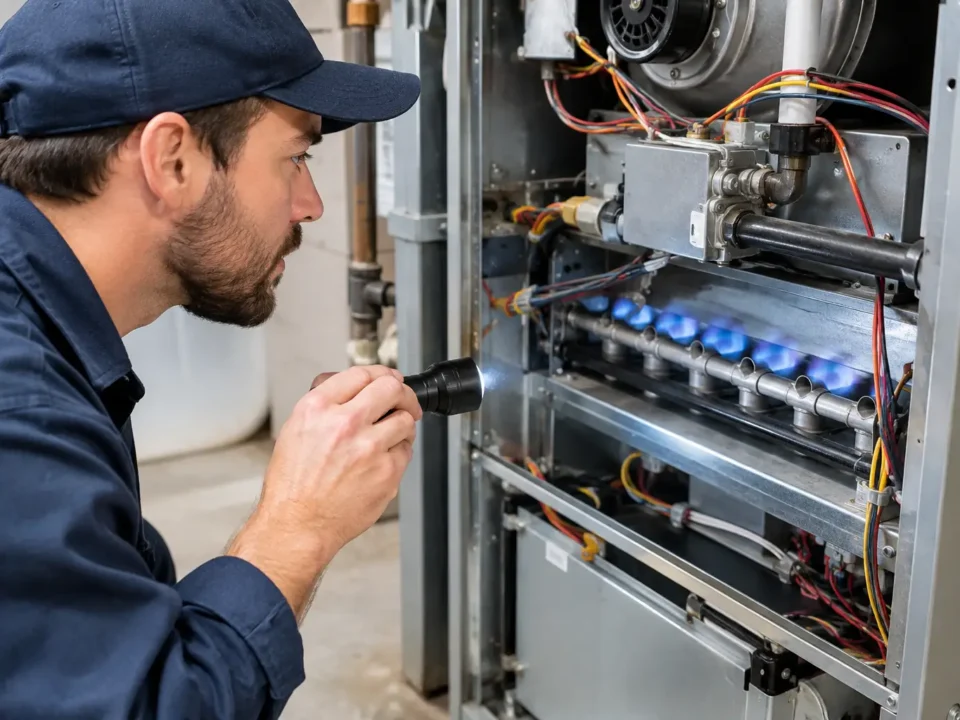
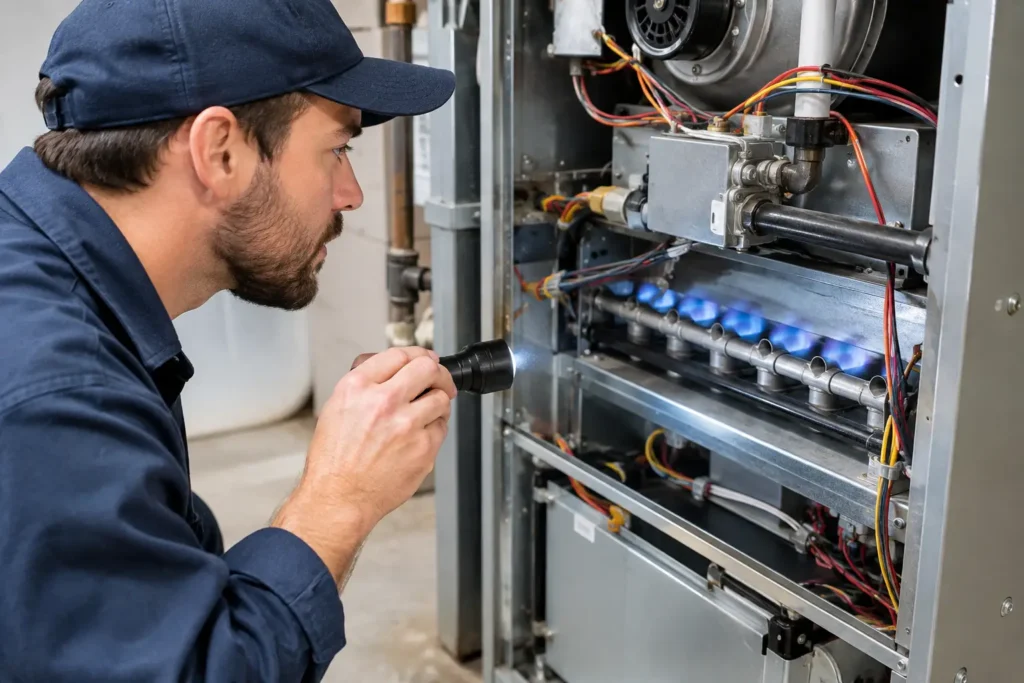
If you are not sure whether your furnace has a few good years left or is on borrowed time, start with a professional inspection. A qualified technician can assess age, condition, safety, efficiency, and repair history in a way that gives you a practical answer instead of a guess.
The goal is not to replace equipment too early. It is to avoid spending more and more on a system that is no longer dependable. At AAA HVAC, that conversation is centered on what protects your comfort, budget, and peace of mind best.
If your furnace is showing its age, the best next step is not to wait for a total breakdown. It is to get clear answers while you still have time to make a smart decision.