Heat Pump Versus Furnace for Virginia Homes
July 15, 2026
AC Repair Versus Replacement for Your Home
July 17, 2026
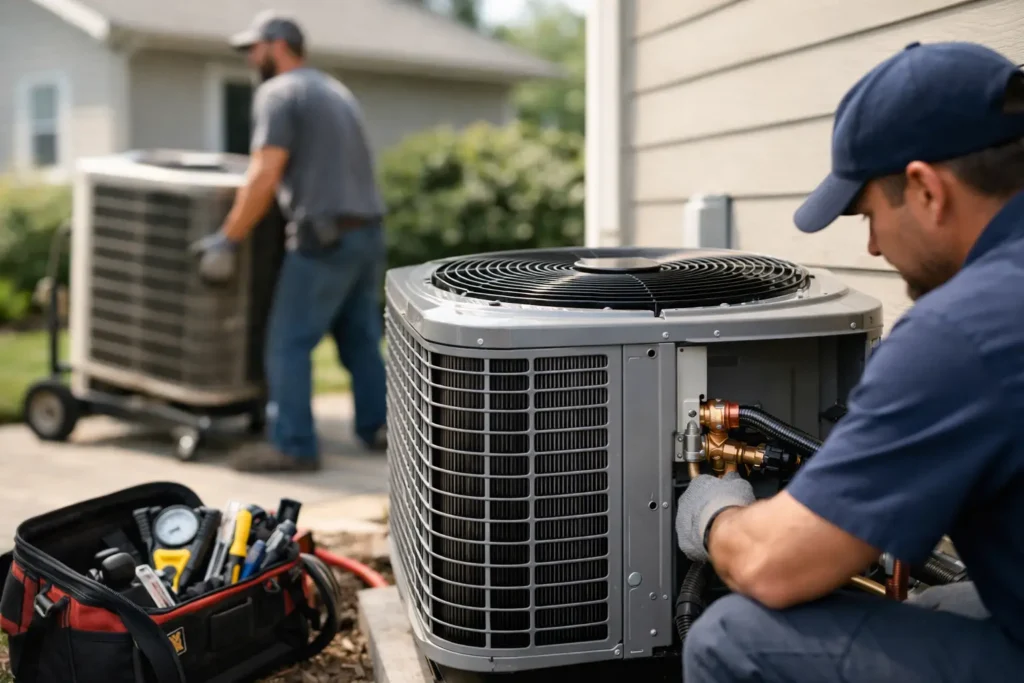
A failed outdoor unit on a 92-degree Reston afternoon creates one urgent question: repair it or replace it? This air conditioner replacement example shows how a dependable contractor should evaluate the decision, explain the scope, and help you plan for cost without pressure or guesswork.
An Air Conditioner Replacement Example in Northern Virginia
Consider a homeowner in Reston with a 14-year-old, 3-ton central air conditioner. The system still runs, but it has needed two refrigerant-related repairs in three years. During the latest heat wave, the home reaches 78 degrees by late afternoon, even though the thermostat is set to 72. The outdoor unit is noisy, and the evaporator coil has developed a leak.
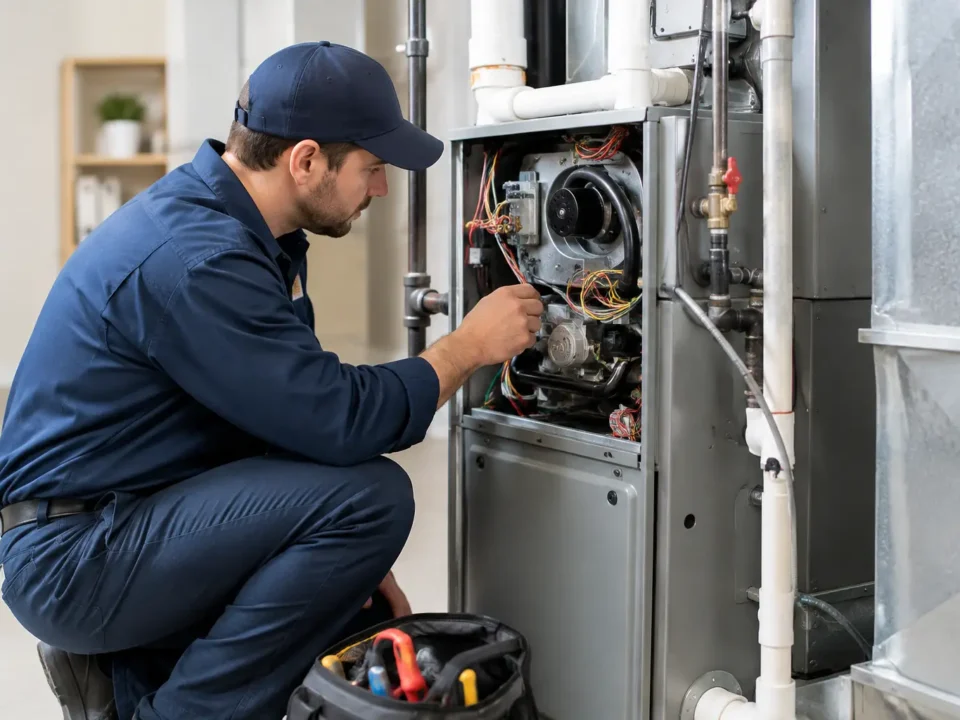
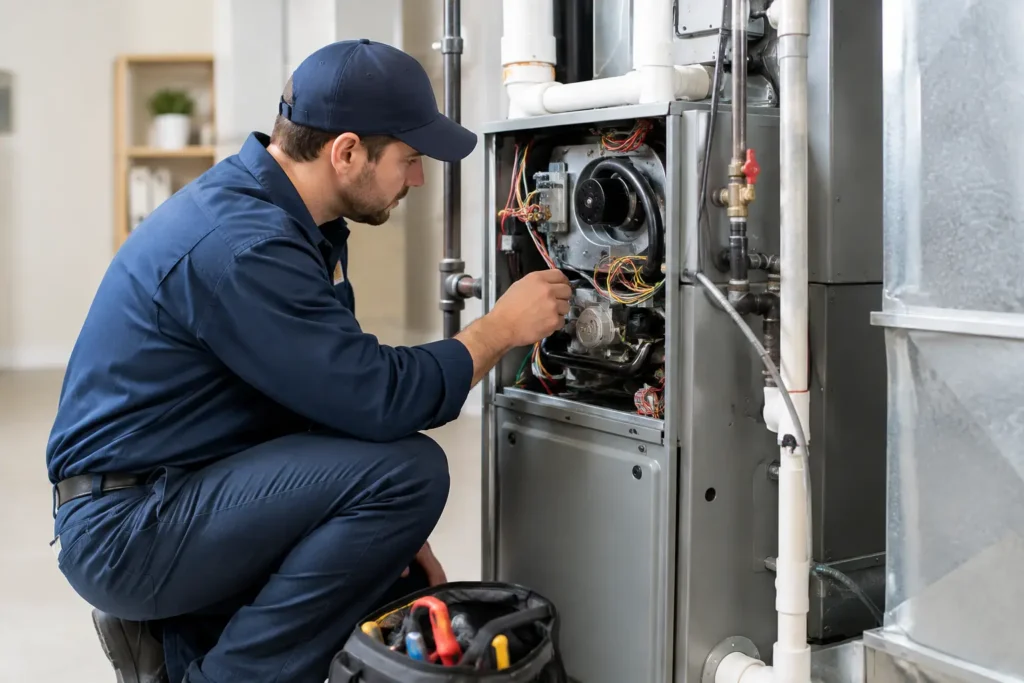
The technician begins with diagnosis, not a replacement sales pitch. They inspect the condenser, indoor coil, refrigerant lines, electrical connections, condensate drain, air filter, ductwork, and thermostat operation. They also ask practical questions: Which rooms are uncomfortable? Has the home been remodeled? Are utility bills rising? Is the current system keeping up on the hottest days?
In this example, the coil repair is technically possible. But the repair cost is significant, the unit uses an older refrigerant, and the equipment is near the end of its expected service life. Spending heavily on a major repair could restore cooling for a season or two, but it would not remove the risk of another age-related failure. Replacement becomes the more sensible long-term option.
That does not mean every 14-year-old system should be replaced. A well-maintained unit with a modest repair need may still have useful life left. The right answer depends on the repair, equipment condition, efficiency, refrigerant type, and how reliably the system can serve the property.
What the Replacement Scope Looks Like
For this home, the contractor recommends a matched 3-ton heat pump system with a compatible indoor coil and thermostat. A matched system matters because the outdoor and indoor components are designed to work together. Installing only one major component may seem less expensive at first, but it can reduce performance, affect warranty coverage, and leave older parts as potential failure points.
The proposal should clearly identify what is included. In a typical replacement, that means removing and disposing of the old outdoor unit, installing the new outdoor unit and indoor coil, connecting refrigerant lines as needed, completing electrical work, setting or replacing the pad, adding a new thermostat if included, testing condensate drainage, charging the system correctly, and commissioning the equipment.
Commissioning is not a minor final step. The technician should verify airflow, refrigerant levels, temperature split, electrical readings, thermostat controls, safety switches, and drain operation. Proper installation has a direct effect on comfort, efficiency, humidity control, and equipment life.
Some homes require additional work. If the existing refrigerant line set is damaged or incompatible, it may need replacement. If the electrical disconnect, breaker, or wiring does not meet current requirements, electrical upgrades may be necessary. Poor duct design, undersized return air, or leaking ducts can also limit results. A new air conditioner cannot fully compensate for an airflow problem in the home.
Sizing Comes Before Selecting Equipment
A common mistake is replacing a 3-ton unit with another 3-ton unit simply because that is what was there before. The original system may have been oversized, undersized, or selected before an addition, attic insulation upgrade, window replacement, or basement finishing project changed the home’s cooling needs.
A qualified technician should evaluate the home rather than rely only on the nameplate. Square footage is part of the picture, but so are ceiling height, insulation, window exposure, occupancy, duct capacity, and heat-producing appliances. In Northern Virginia, humidity control is also a major comfort concern.
An oversized air conditioner can cool the thermostat area quickly and shut off before it removes enough moisture. That can leave rooms feeling clammy and unevenly cooled. An undersized system may run for long periods and still struggle during extreme heat. Proper sizing balances cooling capacity, run time, humidity removal, and airflow.
In this example, the load calculation confirms that a 3-ton system remains appropriate. The homeowner chooses a higher-efficiency variable-speed option because the family works from home and wants better humidity control and quieter operation. Another homeowner might choose a reliable single-stage system with a lower upfront cost. Both can be good choices when selected and installed correctly.
Understanding the Cost of This Example
Replacement pricing varies because homes and systems vary. For a standard residential central air conditioner or heat pump replacement in Northern Virginia, the final price can be affected by equipment efficiency, system size, indoor coil requirements, ductwork, electrical upgrades, thermostat selection, access challenges, permit requirements, and warranty options.
In the example above, the homeowner receives options rather than one unexplained number. The first option is a dependable, standard-efficiency matched system. The second adds higher efficiency and variable-speed comfort features. A third includes duct improvements that address hot upstairs rooms.
The lowest initial price is not automatically the lowest cost over time. A less expensive system may be the right choice for a rental property or a homeowner planning to move soon. A higher-efficiency system may make more sense for a long-term home, especially when it improves temperature consistency and reduces summer operating costs. Financing can also help qualified homeowners spread the project cost over manageable payments.
Ask for a written estimate that separates included work from possible add-ons. You should know whether permits, thermostat replacement, pad work, line-set work, electrical corrections, haul-away, and startup testing are included before the installation date. Clear scope protects you from surprises and makes it easier to compare proposals fairly.
How Long Replacement Usually Takes
Many straightforward residential replacements can be completed in one day. The crew arrives, protects work areas, removes the old equipment, installs the new components, completes connections, and tests the system. More complex projects may take longer, particularly when they involve new ductwork, electrical changes, difficult equipment access, or multiple systems.
Before work begins, the installer should confirm equipment availability, review the job scope, and explain what access is needed. Homeowners should clear a path to the indoor equipment, move valuables away from the work area, and keep pets safely separated from the crew. If the system is down during a heat wave, ask about same-day service options and realistic installation timing rather than relying on assumptions.
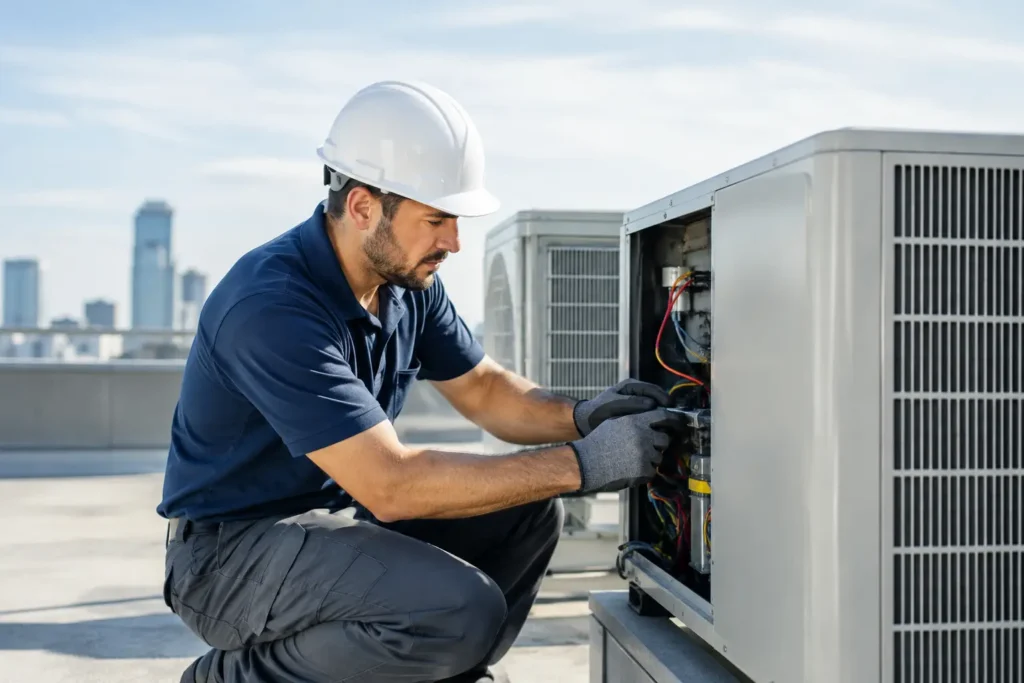
For commercial properties, scheduling may need to account for tenant operations, rooftop access, building rules, and after-hours work. The same principle applies: the scope should protect business uptime, not merely replace equipment quickly.
Questions That Protect Your Replacement Decision
Before authorizing the job, ask the contractor how they determined the equipment size and whether the recommended indoor and outdoor equipment are a matched combination. Ask what condition the ductwork is in, what warranty coverage applies, and what happens if the system does not perform as promised after installation.
It is also reasonable to ask who will perform the work and whether the technicians are qualified to install and commission the equipment. NATE-certified technicians bring recognized HVAC knowledge to the job, but the full service experience matters too: clear communication, clean work practices, correct setup, and accountability after the installation.
Finally, ask whether preventive maintenance is available for the new system. Annual service can catch drainage, electrical, airflow, and refrigerant concerns before they become a no-cooling emergency. It also gives the technician a chance to verify that the system continues to operate as designed.
When to Call for a Replacement Evaluation
Call for an evaluation if your air conditioner needs a major repair, uses an older refrigerant, runs constantly without reaching the set temperature, produces uneven cooling, or has become increasingly expensive to maintain. You do not need to wait for a complete breakdown to get clear answers.
AAA HVAC can evaluate your current system, explain the repair-versus-replacement trade-off, and provide a clear installation recommendation for your Northern Virginia home or business. The best replacement decision is one you can make with the full scope, realistic options, and confidence that comfort will be restored when you need it most.