Why Is My AC Freezing? Causes and Next Steps
July 23, 2026
HVAC Maintenance Membership Benefits That Matter
July 25, 2026
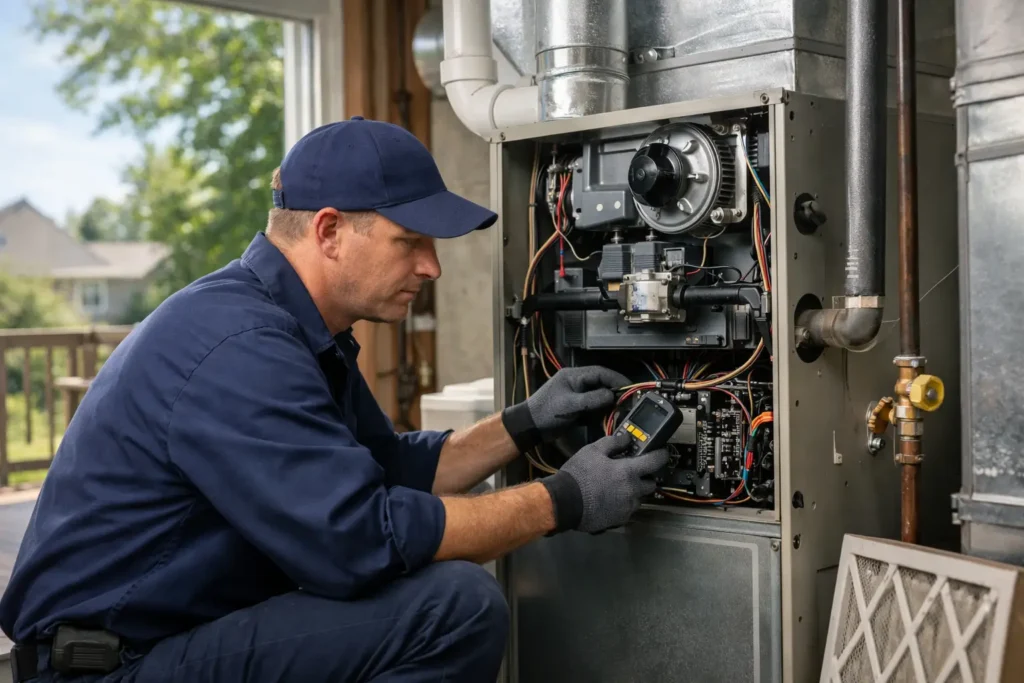
A furnace rarely fails at a convenient time. In Northern Virginia, a system may sit quietly through a mild fall, then run hard during the first real cold snap. Knowing how to extend furnace lifespan can help you avoid a preventable no-heat call, control operating costs, and get the full value from equipment that was built to serve your home or building for many years.
Most gas furnaces last about 15 to 20 years, though that range depends on installation quality, maintenance history, daily runtime, and whether small problems were addressed before they became major repairs. You cannot prevent every part from wearing out. You can, however, reduce the strain that shortens a furnace’s useful life.
How to Extend Furnace Lifespan Starts With Annual Service
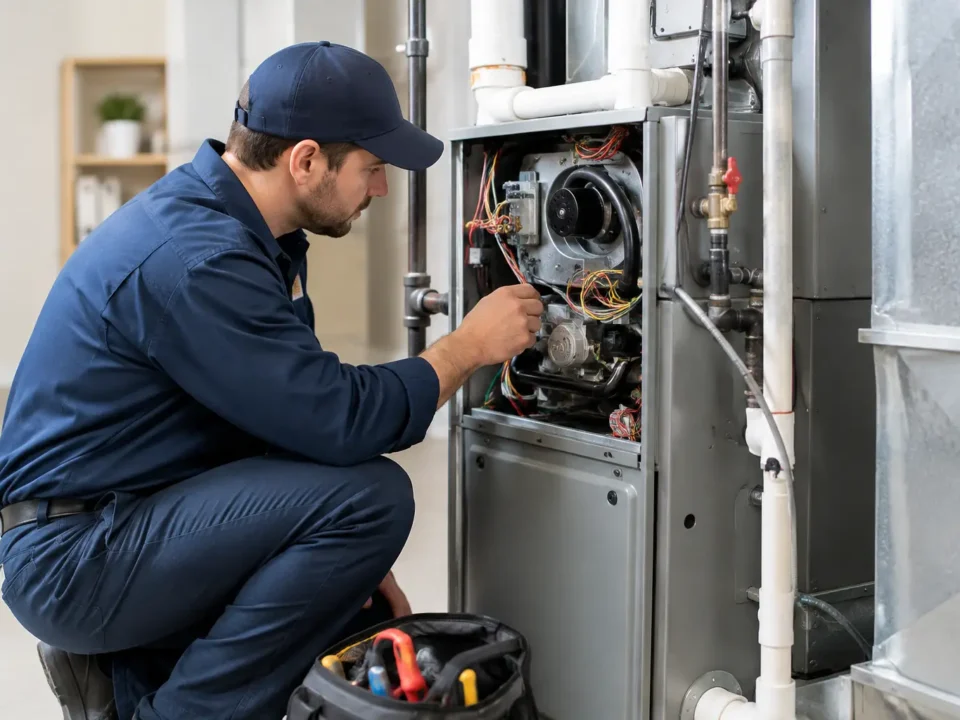
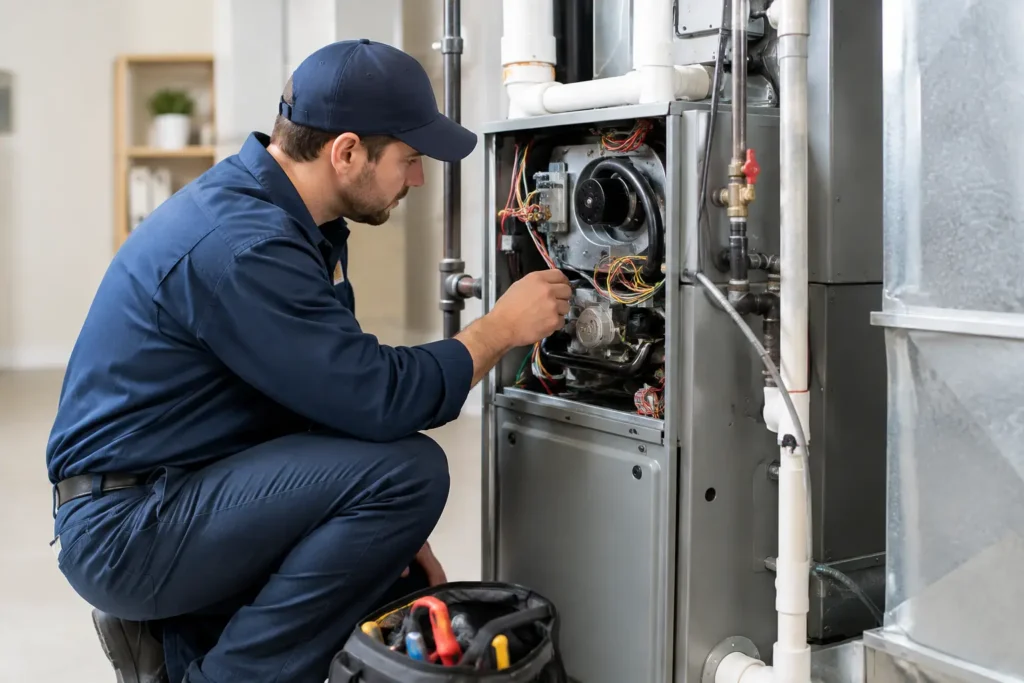
The single most effective habit is scheduling professional furnace maintenance once a year, ideally before regular heating season begins. A technician does more than replace a filter. A proper tune-up checks the components that affect safe, efficient operation: burners, heat exchanger, ignition system, blower assembly, electrical connections, drainage, venting, and safety controls.
This work matters because furnaces often keep operating while a problem develops. A dirty burner can affect combustion. A weak igniter can lead to intermittent startup problems. Loose electrical connections can create heat and damage components over time. Finding those issues early is usually simpler and less expensive than responding after the system stops on a cold night.
For commercial properties, annual service is equally valuable. Higher occupancy, longer operating hours, and multiple heating zones can put added demand on equipment. Preventive visits give property managers a clearer picture of which units need attention before comfort complaints or downtime disrupt tenants and staff.
Change the Air Filter Before It Restricts Airflow
A clogged filter is one of the most common sources of avoidable furnace stress. When airflow is blocked, the blower has to work harder to move warm air through the system. Reduced airflow can also cause the furnace to overheat and cycle off on its safety limit, creating unnecessary wear on the equipment.
Check a standard one-inch filter every month during heavy use. Many homes need a replacement every one to three months, but the right schedule depends on filter type, pets, household size, allergies, renovation dust, and how often the system runs. Thicker media filters may last longer, but they should still be inspected regularly.
Do not assume the most restrictive filter is automatically the best choice. Very high-efficiency filters can limit airflow if the HVAC system was not designed for them. Use the filter rating recommended for your equipment, or ask a qualified technician which option protects indoor air quality without overworking the blower.
Keep Supply and Return Vents Open and Clear
Closing vents in unused rooms may sound like an easy way to save money, but it can create pressure and airflow problems in a forced-air system. Furnaces are sized and configured to move a certain amount of air. Shutting off too many supply registers can reduce that airflow and raise operating temperatures inside the unit.
Keep supply registers and return grilles free of furniture, rugs, curtains, and storage. Return vents are especially important because they bring air back to the furnace for reheating. A blocked return can make rooms feel unevenly heated while placing extra strain on the blower.
If certain areas of your home are consistently too hot or too cold, the answer may be ductwork, insulation, thermostat placement, or system sizing. It is better to diagnose the cause than to keep closing vents and hoping the problem goes away.
Give the Furnace Room the Clearance It Needs
The area around a furnace should stay clean, dry, and accessible. This is especially relevant in utility rooms, basements, garages, and commercial mechanical areas that tend to collect boxes, paint cans, cleaning supplies, and seasonal storage.
Keep combustible materials well away from the equipment and do not block access panels, vents, or condensate drains. A technician needs room to inspect and service the system safely. Clutter also makes it easier to miss a water leak, unusual noise, or warning light that could point to an emerging issue.
For high-efficiency furnaces, check the exterior intake and exhaust pipes periodically. Leaves, snow, insect nests, and debris can obstruct these pipes. If you see an obstruction that is difficult to remove or notice frost repeatedly forming around a vent, arrange a professional inspection rather than forcing the system to run under restricted conditions.
Use a Thermostat Setting That Avoids Constant Cycling
Big temperature swings do not usually heat a house faster. Turning the thermostat far above your preferred setting simply tells the furnace to run longer until it reaches that number. Repeatedly making large adjustments can increase runtime and may contribute to uneven temperatures.
Choose a comfortable, consistent setting and use a programmable or smart thermostat to lower the temperature modestly when the building is empty or occupants are sleeping. The best setback depends on insulation, occupancy, and the type of heating system. In a drafty home, an aggressive setback may make the furnace work hard to recover and may not produce the savings you expect.
If your furnace starts and stops every few minutes, do not ignore it. Short cycling can be caused by a dirty filter, thermostat issue, airflow restriction, oversized equipment, or a failing safety component. It increases wear and deserves timely attention.
Address Small Furnace Problems Promptly
A furnace does not need to be completely down before it needs service. Changes in sound, smell, cycling patterns, or comfort are often early signals. A rattling panel may be minor, but persistent banging, squealing, grinding, or booming at startup should be evaluated.
Call for service if you notice repeated ignition failures, cool air from supply vents, rising utility bills without a clear reason, water around the furnace, yellow burner flames, or a carbon monoxide alarm. A gas furnace should normally produce steady blue flames. Yellow or flickering flames can indicate a combustion issue and should not be treated as a do-it-yourself repair.
Homeowners can safely replace filters, keep vents clear, and monitor performance. Repairs involving gas lines, combustion, electrical parts, venting, or internal components require trained service. Delaying those repairs can turn a replaceable part into damage to the blower motor, control board, or heat exchanger.
Protect the Ductwork and Blower System
Your furnace is only one part of the heating system. Leaky, crushed, disconnected, or poorly insulated ducts can make it run longer to meet the thermostat setting. That extra runtime increases operating costs and adds wear to the blower and heat exchanger.
Pay attention to signs of duct problems, such as rooms that never warm up, unusually dusty spaces, whistling sounds, or major temperature differences between floors. Duct sealing or targeted repairs may improve comfort without requiring a new furnace.
The blower compartment also needs occasional professional cleaning. Dust buildup on the blower wheel can reduce airflow and efficiency. This is not always necessary every year, but it is worth evaluating during maintenance, particularly in homes with pets, ongoing construction dust, or neglected filter changes.
Know When Replacement Protects Your Budget
Extending furnace life does not mean keeping a failing system running at any cost. As a furnace reaches the later part of its expected life, frequent repairs may no longer be the practical choice. The decision depends on the repair cost, the condition of the heat exchanger, efficiency, parts availability, and whether the equipment can reliably meet the building’s heating needs.
A professional assessment can help separate a reasonable repair from a system that is becoming unpredictable. If replacement is recommended, proper sizing and installation are critical. An oversized or improperly installed furnace can short cycle, waste energy, and fail earlier than it should.
AAA HVAC can inspect your furnace, explain what is affecting its performance, and help you make a clear repair-or-replace decision. A scheduled tune-up before winter is a simple way to protect comfort now and give your furnace the best chance to serve you well through the seasons ahead.