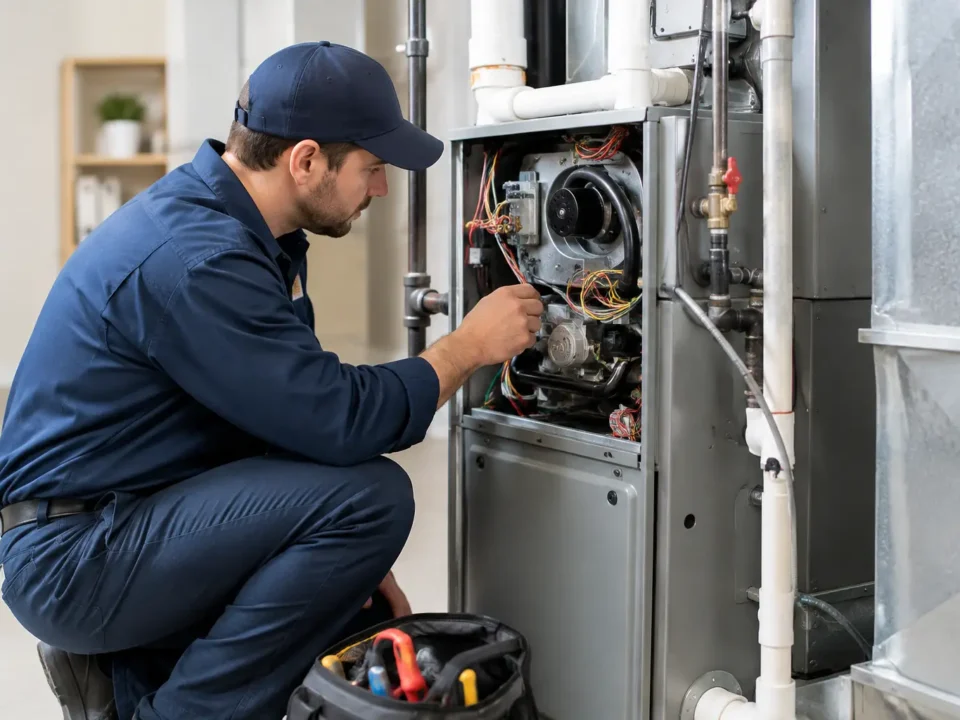
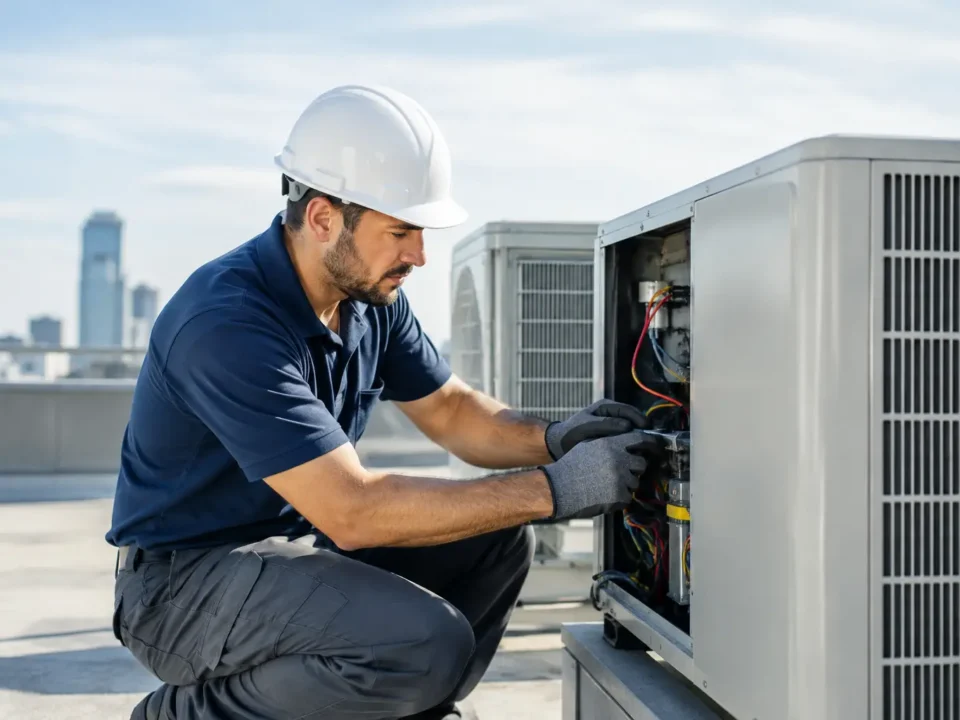
Emergency AC Repair Options When Cooling Fails
August 2, 2026
Commercial HVAC: Protecting Business Uptime
August 6, 2026
A furnace that quits on a cold Reston morning or an air conditioner that stops cooling during a humid Northern Virginia afternoon creates the same immediate question: fix it now or replace it? HVAC repair versus replacement is not a one-size-fits-all decision. The right choice depends on what failed, how old the equipment is, what the repair costs, and how much confidence you can have in the system after the work is done.
A prompt repair can restore comfort and protect your budget. But continuing to invest in an unreliable system can lead to repeat service calls, higher utility bills, and an inconvenient failure when your home or business needs heating or cooling most. A qualified technician should help you understand both options clearly, without pressure or guesswork.
When HVAC Repair Is the Better Choice
Repair is often the practical choice when the system is relatively young, the issue is isolated, and the equipment has otherwise been dependable. Many common problems do not mean an HVAC system has reached the end of its useful life. A failed capacitor, worn contactor, clogged drain line, faulty thermostat, or damaged blower component may be repairable at a reasonable cost.
For homeowners, a repair usually makes sense when the system is under 10 years old and has received regular maintenance. Modern air conditioners and furnaces can often provide many more years of service after a properly completed repair. The key is determining whether the current problem is a single failure or part of a larger pattern.
For commercial property managers, repair may also be the best move when equipment downtime is limited and the repair restores reliable operation. A business does not always need a full replacement because of one failed part. However, the repair decision should account for operational risk. If a unit serves a server room, medical office, restaurant, or occupied tenant space, reliability can matter as much as the invoice amount.
A repair is generally worth considering when:
- The equipment is still within its expected service life.
- The repair cost is modest compared with replacement.
- There have been few recent breakdowns.
- Energy bills have remained consistent.
- The system heats and cools evenly after service.
The goal is not simply to get the unit running today. It is to make a repair that gives you a reasonable expectation of continued comfort.
HVAC Repair Versus Replacement: Start With Age and Cost
Age is a useful starting point, but it should not be the only deciding factor. Central air conditioners commonly last about 12 to 15 years, while furnaces may last 15 to 20 years or longer with good maintenance. Heat pumps often fall in a similar range to air conditioners, although usage patterns, installation quality, and maintenance history all affect lifespan.
As a system gets older, parts can wear out in sequence. Repairing one component may be sensible, but a second or third major failure in a short period can change the calculation. An older unit may also use discontinued parts or refrigerants that are more difficult and expensive to obtain.
One practical rule is to compare the repair cost with the cost of a new system, then consider the unit’s age and reliability history. A small repair on a 14-year-old air conditioner may still be worthwhile if the system has been reliable. A costly compressor repair on the same unit, especially after multiple recent service calls, often points toward replacement.
Ask for a clear explanation of the diagnosis, repair scope, and expected outcome. You should know whether the repair addresses the cause of the failure or only restores operation temporarily. That transparency matters when you are deciding how to spend money on equipment that affects your daily comfort.
Signs Replacement May Protect Your Budget
Replacement becomes more compelling when repairs are frequent, performance has declined, or the system is no longer a good fit for the property. An aging HVAC system can run for longer cycles while delivering less comfort, which puts added stress on components and raises energy use.
Uneven temperatures are one warning sign. If some rooms remain too warm in summer or too cold in winter, the equipment may be losing capacity, the ductwork may need attention, or the system may have been incorrectly sized from the beginning. A replacement project is an opportunity to evaluate the entire comfort system, not just the outdoor unit or furnace.
Rising utility costs can also justify a closer look. Newer systems are generally more efficient than equipment installed a decade or more ago. Efficiency alone does not automatically make replacement the right choice, but it can improve the long-term value of a new installation, especially for systems that run heavily through Northern Virginia’s hot summers and cold winter stretches.
Replacement is often the more dependable path when you are dealing with repeated breakdowns, a major refrigerant leak, an expensive compressor or heat exchanger issue, excessive noise, or equipment that can no longer maintain safe and consistent operation. A cracked furnace heat exchanger, for example, is a serious safety concern that requires immediate professional evaluation. It is not a repair to postpone.
Efficiency Matters, but Comfort Comes First
It is easy to focus only on efficiency ratings, but the best replacement decision considers how the system will perform in the actual building. A high-efficiency unit will not deliver its expected results if it is improperly sized, installed incorrectly, or connected to leaky ductwork.
For a home, the right system should manage temperature and humidity without short cycling or running constantly. For a commercial space, it should support occupancy levels, equipment loads, operating hours, and zone-by-zone needs. A system that is too large can cycle on and off too quickly, while one that is too small may struggle during extreme weather.
Before recommending replacement, a professional should assess more than the nameplate on your existing unit. Square footage, insulation, windows, duct condition, airflow, and building use all affect equipment selection. This is especially important after a renovation, addition, occupancy change, or conversion of a previously unused space.
Do Not Ignore Maintenance History
Maintenance does not eliminate every breakdown, but it can reveal problems before they become emergency repairs. Dirty filters, restricted airflow, worn electrical components, and drainage issues can all shorten equipment life when left unaddressed.
If your HVAC system has been maintained consistently and has a single repair need, repairing it may offer strong value. If it has gone years without service and now has several developing issues, replacement may be easier to justify. The technician’s findings should separate routine maintenance needs from failures that indicate broader equipment decline.
For property managers, maintenance records are also useful for planning. Tracking repair frequency, downtime, and operating costs helps identify which units need replacement budgeting before an emergency disrupts tenants or business operations.
Questions to Ask Before You Decide
A good service visit should leave you with more than a price. Ask how urgent the repair is, whether the system is safe to operate, and how long the repair is expected to last. Ask whether other components show wear and whether the replacement option includes equipment sizing, installation details, warranty coverage, and available financing.
It is also reasonable to ask for both paths when appropriate: the cost to repair now and the cost to replace with a properly matched system. That comparison gives you control. A dependable contractor will explain the trade-offs and respect the decision that fits your property, timeline, and budget.
Plan Before the Next Breakdown
Waiting until equipment fails completely limits your choices. Emergency replacement can be necessary, but planned replacement gives you time to compare options, schedule work around your household or business, and select equipment based on long-term needs rather than immediate pressure.
If your system is aging but still operating, schedule an inspection before the next season puts it under heavy demand. AAA HVAC can evaluate the condition of your heating or cooling equipment, explain repair and replacement options in plain language, and help you move forward with a solution built for dependable comfort. The best time to make a confident decision is before comfort becomes an emergency.