HVAC Repair Versus Replacement: Which Pays Off?
August 4, 2026
What Is Short Cycling HVAC? Causes and Fixes
August 8, 2026

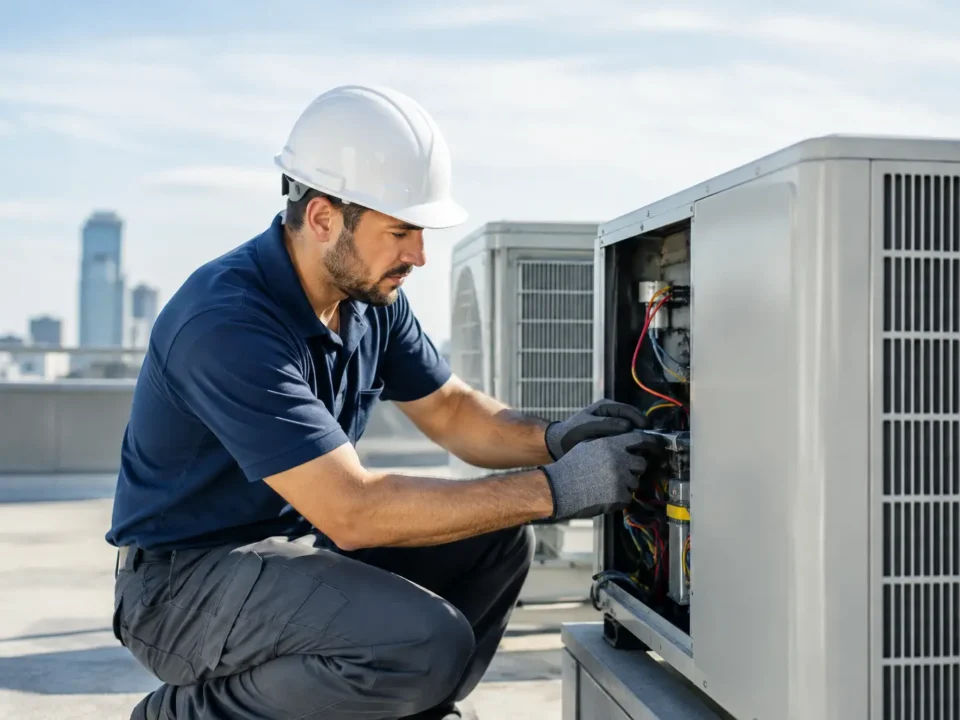
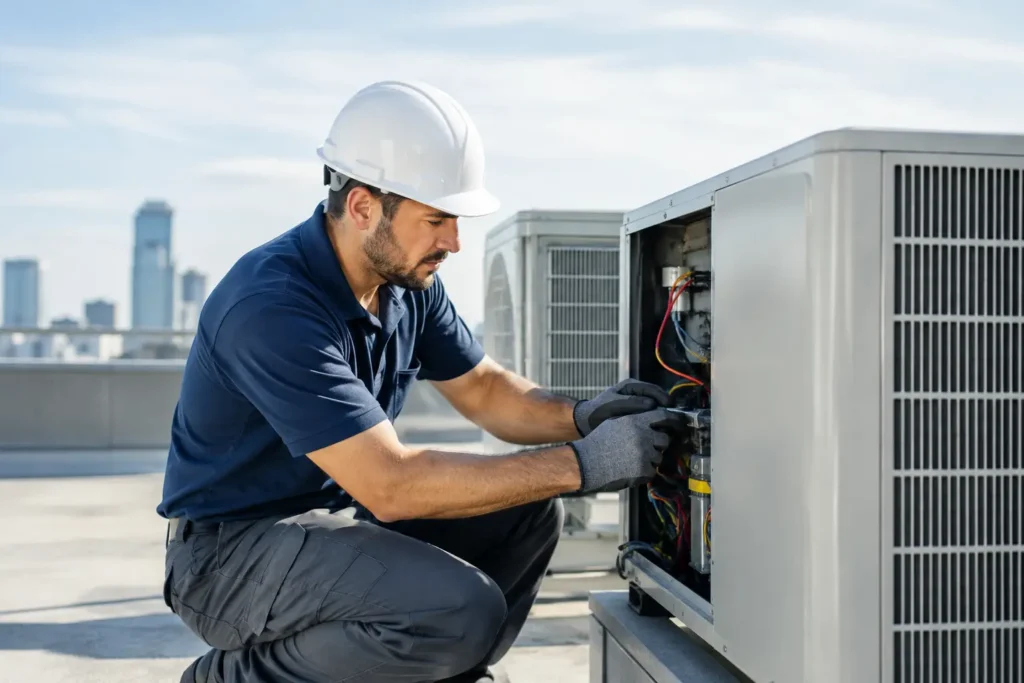
A failed rooftop unit at 2 p.m. can become more than a temperature problem. It can send customers out the door, make employees less productive, put sensitive inventory at risk, and create a difficult call from a tenant or building owner. Commercial HVAC is a business continuity system, not just a collection of heating and cooling equipment.
For property managers, office administrators, retail owners, restaurant operators, and facility teams in Northern Virginia, the goal is simple: keep the building comfortable, safe, and operational without allowing a preventable breakdown to disrupt the day. That requires responsive repair support when something fails, but it also requires a practical plan for maintenance, equipment decisions, and early warning signs.
What Commercial HVAC Covers
Commercial HVAC refers to heating, ventilation, and air conditioning systems designed for businesses and larger facilities. Depending on the property, this may include rooftop package units, split systems, heat pumps, furnaces, boilers, air handlers, ductwork, thermostats, exhaust systems, and building controls.
The equipment itself is only part of the picture. A commercial system must serve the way a building is used. A busy medical office has different ventilation and comfort demands than a warehouse. A restaurant kitchen creates heat and humidity that an ordinary office does not. A retail store needs steady temperatures across customer areas, stockrooms, and entryways that open repeatedly throughout the day.
That is why commercial service should begin with the operating problem, not a one-size-fits-all recommendation. Is one suite too warm? Is the system short-cycling? Are utility costs rising? Is a tenant reporting uneven temperatures? The right solution depends on the equipment, the building layout, occupancy, and how quickly the issue needs to be resolved.
The Cost of Waiting for an HVAC Failure
Many businesses wait to call until the system stops heating or cooling altogether. That is understandable, especially when budgets are tight. However, a complete failure is often the most expensive time to make a decision.
A unit that runs constantly, makes new noises, trips breakers, leaks water, or struggles to hold its thermostat setting is already signaling a problem. Waiting may turn a minor electrical repair, drain issue, worn belt, or refrigerant concern into a larger repair and more downtime. During a heat wave or cold snap, the timing can also limit scheduling options and place more pressure on staff and occupants.
The business impact is not always obvious on the service invoice. A hot office can lead to complaints and lost work time. Poor humidity control can affect indoor air quality, flooring, equipment, and stored goods. A failed heater may make a building unusable for employees or customers. For multi-tenant properties, slow response can damage confidence in building management.
Fast service matters, but clear communication matters too. Decision-makers need to know what failed, what repair is recommended, what can safely wait, and whether the system is approaching a replacement decision. Straight answers help protect the budget as well as the building.
When a Commercial HVAC Repair Makes Sense
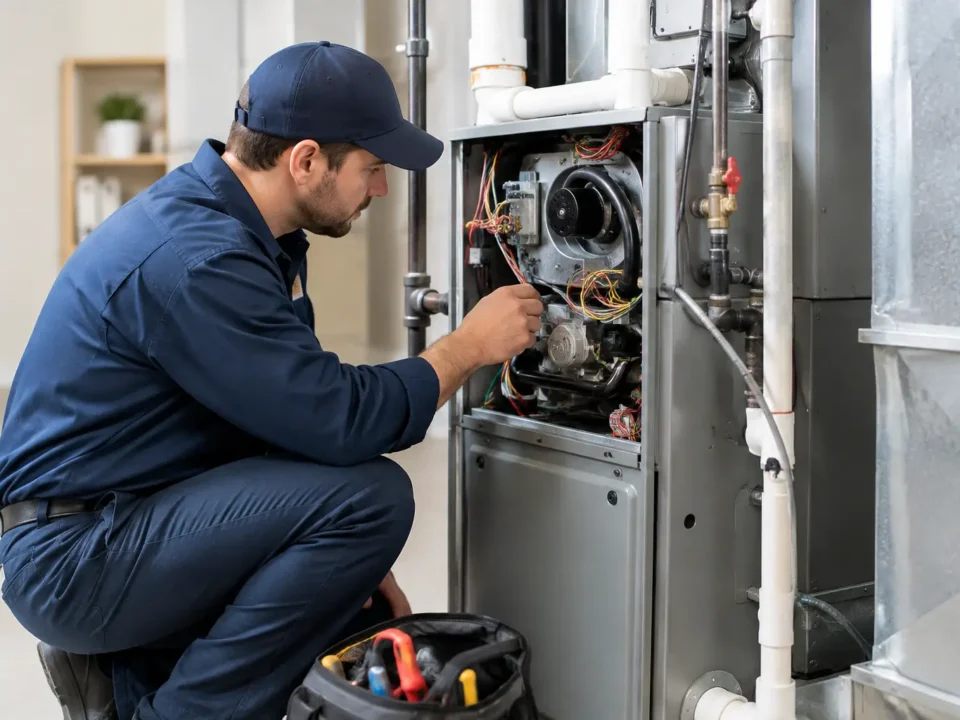
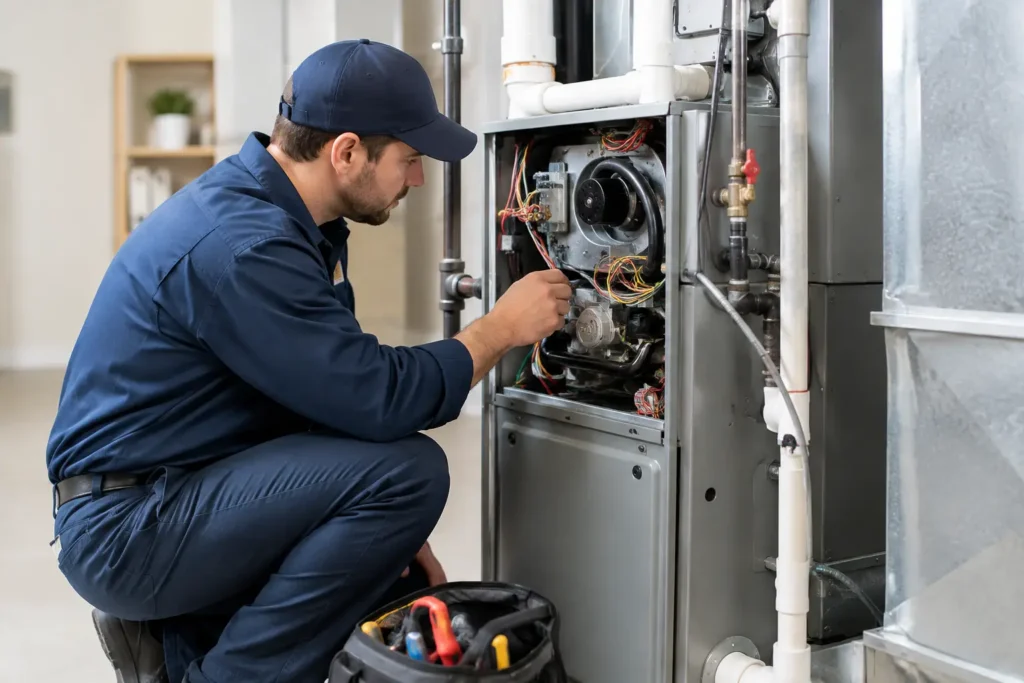
Repair is often the right call when the equipment is relatively young, the issue is isolated, and the unit has otherwise performed reliably. Replacing a failed capacitor, contactor, motor, thermostat, belt, or control component can restore dependable operation without the cost and disruption of an equipment project.
A qualified technician should inspect beyond the immediate symptom. For example, a tripped breaker may point to an electrical issue, but it can also be related to a struggling compressor or blower motor. Water around an air handler may come from a clogged condensate drain, yet recurring moisture could indicate a drainage, insulation, or airflow problem. Repairing only the visible symptom can lead to another service call if the underlying cause is missed.
Emergency repair is especially valuable when downtime threatens operations. Same-day service can help a business stabilize the situation, protect people and property, and make a measured long-term decision afterward. Not every urgent repair means the system must be replaced immediately.
Still, repair has limits. Repeated breakdowns, obsolete parts, major compressor failures, escalating energy use, and equipment near the end of its expected service life can change the math. In those cases, continuing to repair may cost more over time than planning a replacement.
Replacement Decisions Need More Than a Price Tag
A commercial HVAC replacement should be based on total operating needs, not simply the lowest installed price. Proper sizing is essential. An oversized system can short-cycle, waste energy, and struggle with humidity control. An undersized system may run constantly and fail to keep up during peak conditions.
Before recommending new equipment, a contractor should consider the system’s capacity, ductwork condition, electrical requirements, ventilation needs, building use, occupancy patterns, and control options. If a space has been renovated, subdivided, or converted to a new use, the original equipment may no longer match the load.
Efficiency matters, but the best choice depends on the building. A higher-efficiency unit may reduce operating costs, particularly for systems with heavy run time. For a lightly used space or a property with a different ownership horizon, the payback calculation may look different. Reliable equipment, available parts, service access, and a realistic maintenance plan all deserve consideration.
Replacement planning also reduces disruption. When equipment is selected before an emergency, the business has more time to compare options, coordinate installation around operating hours, and prepare tenants or staff. A planned project is usually easier to manage than a replacement performed during an outage.
Preventive Maintenance Protects Comfort and Budget
Preventive maintenance is one of the most practical ways to reduce unexpected commercial HVAC failures. It does not eliminate every repair, but it gives technicians the chance to find worn components, airflow restrictions, drainage issues, and performance concerns before they become urgent.
A maintenance visit should focus on the actual system and season. Cooling equipment needs attention before summer demand climbs, while heating components should be checked ahead of cold weather. Filters, belts, electrical connections, condensate drains, coils, motors, safety controls, thermostat operation, and refrigerant performance may all need inspection depending on the system.
For commercial properties, maintenance also creates a service record. That record can help facility teams spot recurring issues, plan capital expenses, and explain equipment decisions to owners. If one rooftop unit needs repeated repairs while similar units remain stable, the pattern provides useful information.
The right frequency depends on the equipment and operating environment. A small office may need less attention than a restaurant, medical facility, gym, or high-traffic retail location. Dust, grease, long operating hours, humidity, and heavy occupancy can all increase system strain. A service provider should recommend a schedule based on how the property operates, not a generic checklist alone.
Signs Your Building Needs HVAC Attention
Building occupants often notice performance problems before a system shuts down. Facility teams should take recurring reports seriously, especially when they involve the same area or the same time of day.
Watch for uneven temperatures between rooms, frequent thermostat adjustments, unusual odors, rattling or grinding sounds, water leaks, weak airflow, rising utility costs, and equipment that starts and stops more often than usual. Poor humidity control is another common concern in Northern Virginia, where summer conditions can make indoor spaces feel uncomfortable even when the thermostat reading appears normal.
It is also worth tracking the age of every major unit. A clear equipment inventory makes it easier to prioritize maintenance, budget for eventual replacement, and respond quickly when service is needed. Include the unit location, model information, installation date if known, service history, and the areas it serves.
Choose a Commercial Service Partner That Responds
Commercial clients need more than technical capability. They need a contractor who can communicate clearly with on-site staff, property managers, tenants, and owners. That means arriving prepared, explaining findings in plain language, providing direct repair recommendations, and respecting the urgency of an occupied building.
Credentials matter. NATE-certified technicians bring demonstrated knowledge to heating and cooling service, while a company with emergency availability can provide added protection when a failure cannot wait until regular business hours. Guarantees and transparent pricing also help reduce the uncertainty that comes with a major repair or replacement decision.
AAA HVAC supports commercial clients across Reston and Northern Virginia with repair, installation, and preventive maintenance service designed around dependable comfort and responsive scheduling. Whether the problem is a failed air conditioner, unreliable heat, or a system that needs a long-term plan, the priority is to restore control and keep your business moving.
If your equipment is showing early warning signs, schedule an evaluation before the next weather extreme turns a manageable issue into an operational emergency.