Best Signs of Furnace Failure to Watch For
August 25, 2026
Best Air Purifier for Allergies in Your Home
August 27, 2026
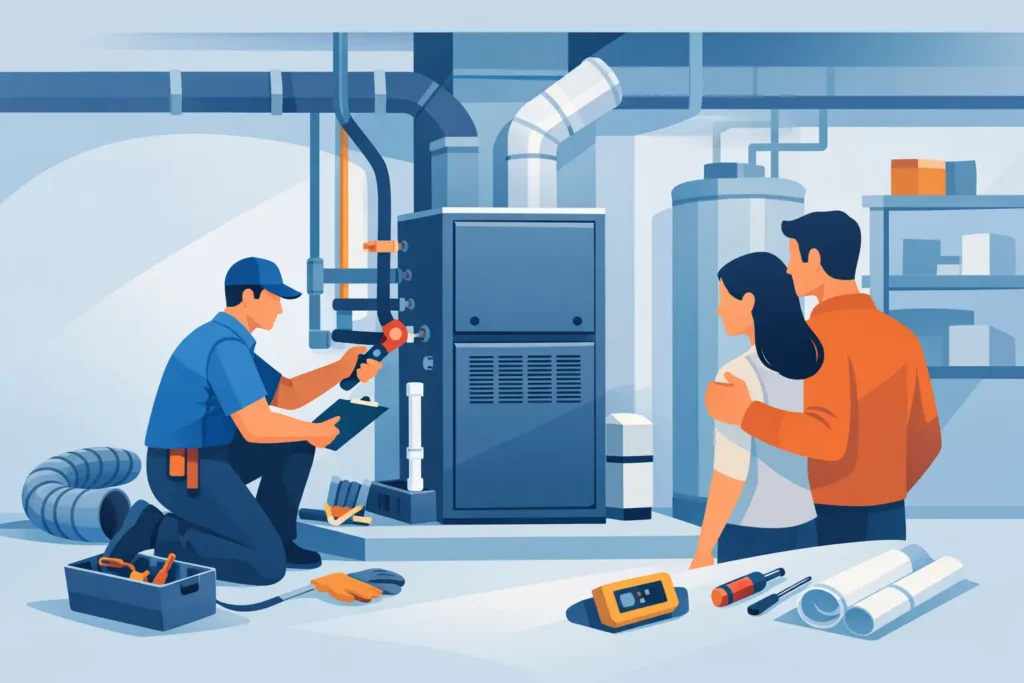
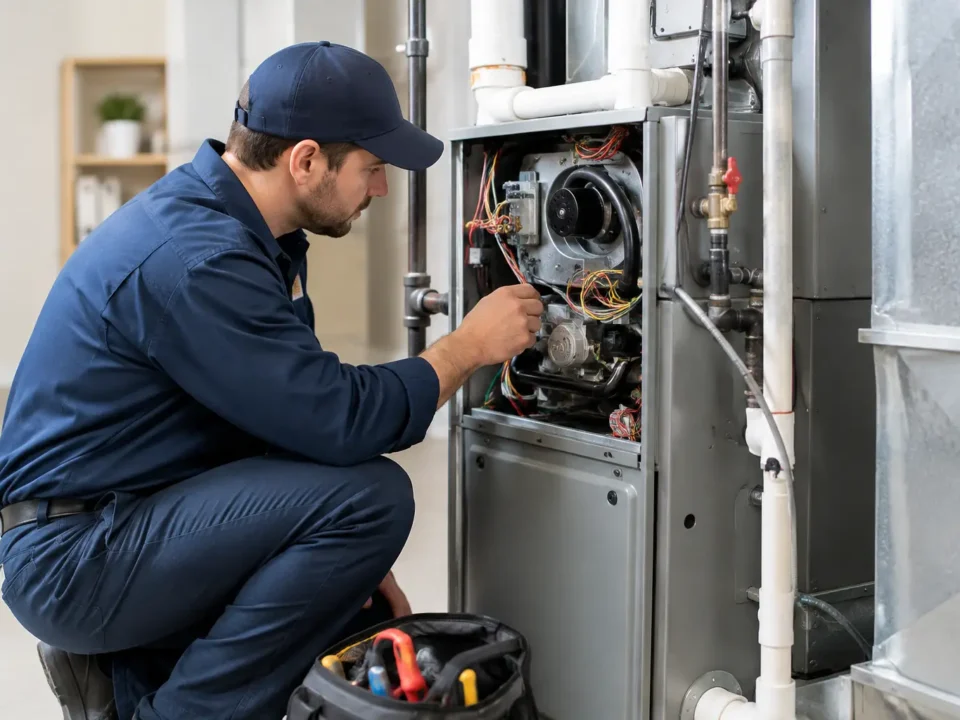
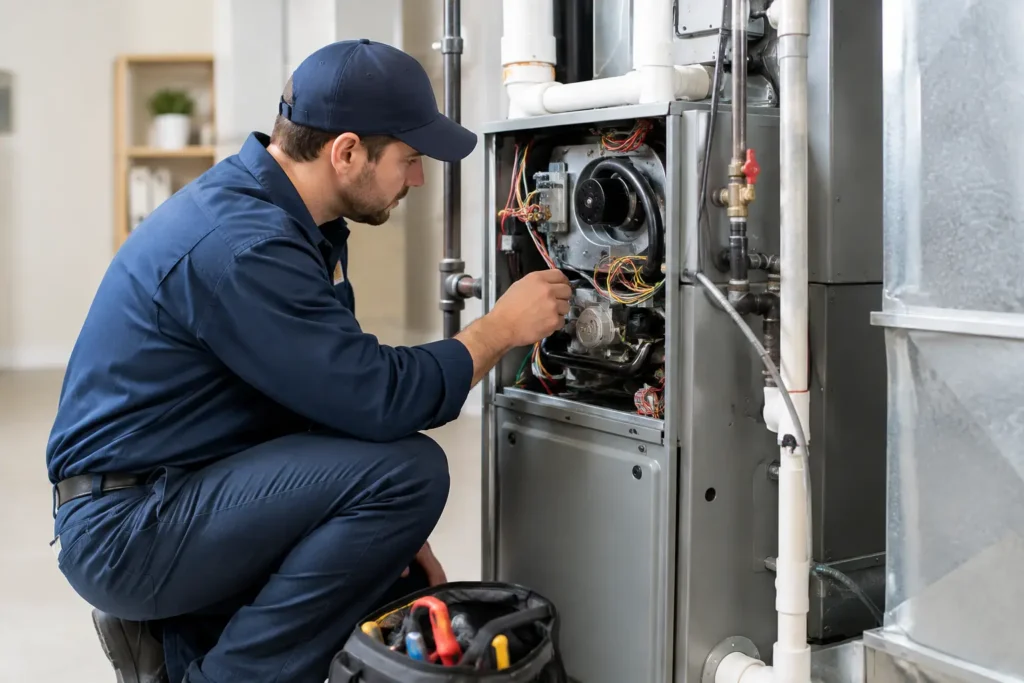
A new furnace is not simply a box that gets swapped into the same spot as the old one. A proper furnace installation step by step process starts well before installation day and ends only after the system has been tested under real operating conditions. That process protects your comfort, your equipment warranty, and, most importantly, your household or building occupants.
For Northern Virginia homes and commercial spaces, the right installation also has to account for local code requirements, changing outdoor temperatures, fuel type, airflow, and the condition of the existing HVAC system. Here is what a professional installation should look like and what you should expect at each stage.
Before Furnace Installation: Confirm Replacement Is the Right Call
A furnace that is noisy, unreliable, or expensive to operate does not always need replacement. Some issues, such as a failed ignition component, blower motor, or thermostat problem, may be repairable. Replacement generally becomes the stronger option when repair costs are high relative to the furnace’s age, breakdowns are frequent, or the heat exchanger has a safety concern.
A qualified technician should inspect the existing system before recommending equipment. They should ask about uneven temperatures, rooms that never feel comfortable, high energy bills, and any recent changes to the space. An addition, finished basement, new windows, or improved insulation can all change heating needs.
This conversation is also where homeowners and property managers can compare efficiency levels. A higher-efficiency furnace can reduce fuel use, but it may require changes to venting or condensate drainage. The best choice depends on the building, budget, expected length of ownership, and the condition of the supporting equipment.
Step 1: Size the Furnace for the Building
The first job is not choosing the largest furnace available. Oversizing can cause short cycling, where the furnace turns on and off too often. That wastes energy, increases wear, and can leave rooms feeling unevenly heated. An undersized unit may run for long periods without keeping up during the coldest weather.
A professional uses a load calculation that considers square footage, insulation, windows, ceiling height, orientation, air leakage, and local climate. For commercial properties, occupancy patterns and heat generated by equipment may also matter. The result is a heating capacity recommendation based on the building rather than a guess based on the old furnace’s nameplate.
The technician also checks blower capacity and airflow. A furnace and air conditioner commonly share the same air handler and duct system, so a replacement must work with the whole system. A correctly sized furnace cannot deliver dependable comfort if airflow is restricted or the return-air path is inadequate.
Step 2: Select Compatible Equipment and Plan the Scope
Once capacity is established, the installer can recommend models that fit the application. Key considerations include fuel source, efficiency rating, staging, blower type, available space, and whether the system will eventually pair with cooling equipment.
Single-stage furnaces operate at one heating output. Two-stage and variable-capacity models can run more gently during milder weather, which may improve temperature consistency and noise levels. Those upgrades can be worthwhile, but they are not automatic answers for every property. The controls, venting, electrical supply, and ductwork must be compatible.
Before work begins, the contractor should explain the installation scope clearly. That includes the equipment being installed, anticipated code upgrades, permit requirements, warranty registration, and any recommended improvements that affect safety or performance. A clear proposal helps avoid surprise costs after the old furnace is removed.
Step 3: Obtain Permits and Prepare the Work Area
Furnace replacement often requires a permit and inspection, particularly when gas piping, venting, electrical connections, or equipment location changes are involved. Requirements vary by jurisdiction, which is one reason local experience matters. Permits are not paperwork for paperwork’s sake. They provide an independent check that key safety and code requirements have been addressed.
On installation day, the crew protects nearby floors and creates a safe path for removing the old unit and bringing in the new one. They shut down power and fuel before disconnecting the existing furnace. If the furnace is in a utility room, attic, crawlspace, or tight closet, access and service clearance are reviewed before the new unit is positioned.
For property managers, it is helpful to make sure the equipment area is accessible and that tenants or staff know there may be a temporary interruption in heat. A well-organized visit reduces downtime without rushing the work.
Step 4: Remove the Old Furnace and Inspect Connections
After safely disconnecting the existing equipment, the installer removes it and examines the connections that will serve the replacement. This is a critical checkpoint. Old equipment may have hidden issues, such as corroded venting, undersized gas lines, unsupported drains, damaged wiring, or an improperly configured return-air connection.
A reputable technician does not reuse a component simply because it is already there. They evaluate whether it is safe, code-compliant, and appropriate for the new furnace. Some existing parts may be usable; others need replacement to support proper performance.
The furnace platform or base also matters. The unit must be level, stable, and positioned with the manufacturer-required clearances. This supports reliable condensate drainage on high-efficiency systems and makes future service safer and easier.
Step 5: Install Fuel, Venting, Drainage, and Electrical Connections
This is the part of furnace installation that should never be treated as a homeowner project. Gas connections, combustion venting, controls, and high-voltage electrical work require trained professionals, approved materials, and testing procedures. An error can create risks ranging from carbon monoxide exposure to fire or equipment damage.
For gas furnaces, the installer connects and pressure-tests the gas piping for leaks. They confirm that the gas supply is properly sized for the furnace and that the shutoff is accessible. The venting system is installed or updated according to the furnace type and manufacturer specifications.
Standard-efficiency and high-efficiency furnaces use different venting approaches. High-efficiency models also produce condensate, so they need correctly routed drainage with appropriate traps and protection against freezing where applicable. The installer verifies that drain routing will not create water damage or a cold-weather blockage.
Electrical connections include a dedicated disconnect, proper grounding, and control wiring to the thermostat and safety switches. The technician also confirms that the blower settings support the system’s airflow requirements. These details are not glamorous, but they determine whether the furnace operates safely and efficiently for years.
Step 6: Connect the Furnace to the Air Distribution System
The supply and return connections are sealed and secured to reduce air leakage. If the existing duct transitions do not match the new equipment, the installer fabricates or installs the correct connection rather than forcing a poor fit.
This stage may reveal that a furnace replacement alone will not solve every comfort problem. A second-floor room that stays cold, weak airflow at distant registers, or excessive system noise may point to duct design or balancing issues. The right response depends on the cause. A professional should explain what the furnace replacement will address and what may require additional work.
Step 7: Start Up, Test, and Verify Safe Operation
The final furnace installation step by step is startup and commissioning. This is much more than switching the thermostat to heat and feeling warm air at a register. The technician checks ignition sequence, temperature rise, gas pressure where applicable, blower operation, safety controls, venting performance, and thermostat response.
They should also inspect for gas leaks, verify that condensate drains correctly on applicable systems, and confirm that the furnace cycles off and on as designed. Airflow measurements and static-pressure checks can identify restrictions that may shorten equipment life or reduce comfort.
Before leaving, the technician should review basic operation with you. Ask where the filter is located, what size it uses, how often it should be checked, how to recognize a warning light, and whom to call if the system stops heating. Keep the installation paperwork, model and serial numbers, permit records, and warranty information in a safe place.
What to Do After the Installation
For the first few heating cycles, pay attention to how the system performs throughout the building. It is normal to notice a brief odor as a new furnace first operates, but persistent burning smells, unusual noises, repeated shutdowns, or a carbon monoxide alarm require immediate attention. Leave the area and contact emergency services if you suspect a gas leak or carbon monoxide issue.
Schedule preventive maintenance before each heating season and check the filter regularly. A clean filter supports airflow, protects the blower, and helps the furnace operate within its intended temperature range. For commercial properties, documenting maintenance also helps with budgeting and uptime planning.
A furnace replacement is a major investment, but the right installation provides more than heat on a cold day. It gives you a system that has been sized, connected, tested, and documented with your long-term comfort in mind. When you are ready to replace an aging unit, AAA HVAC can help you understand the options and schedule qualified service without leaving safety to chance.