How to Choose AC Installation Financing Plans
October 24, 2026
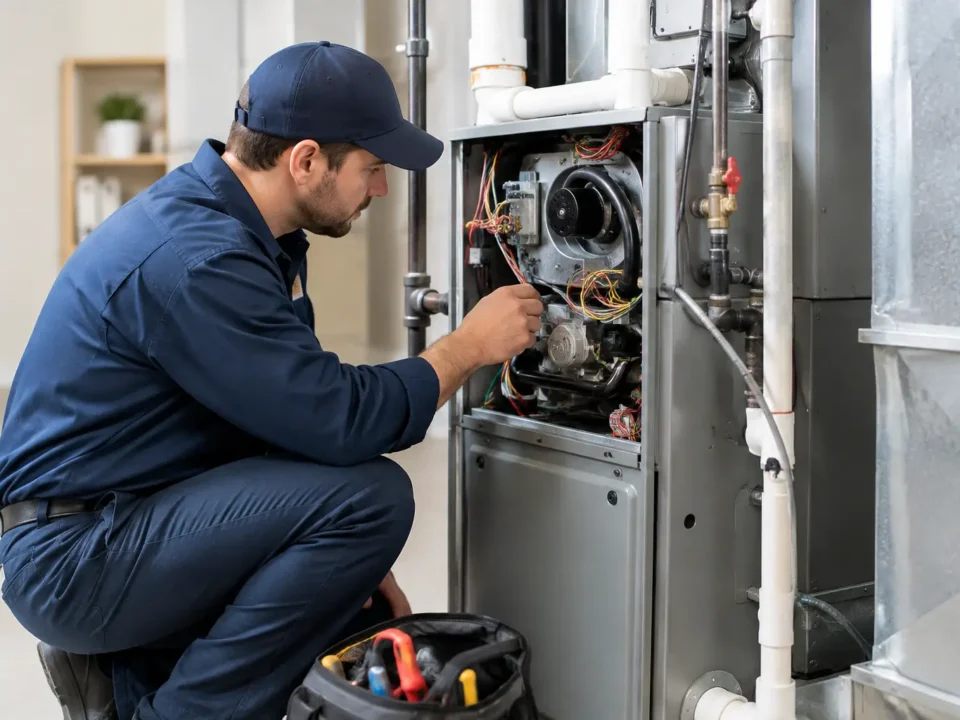
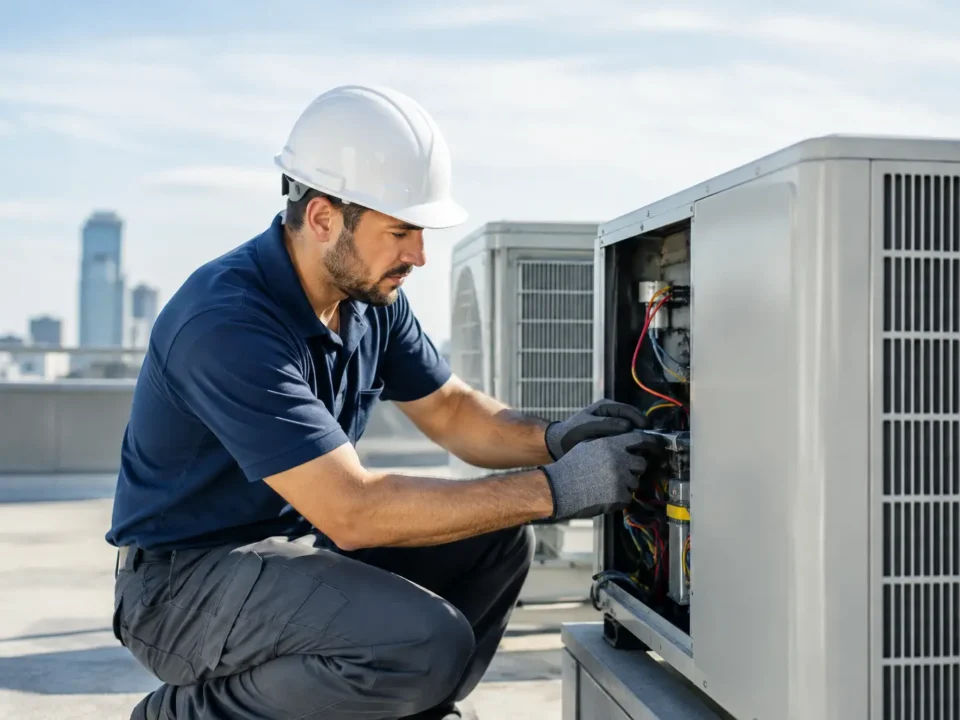
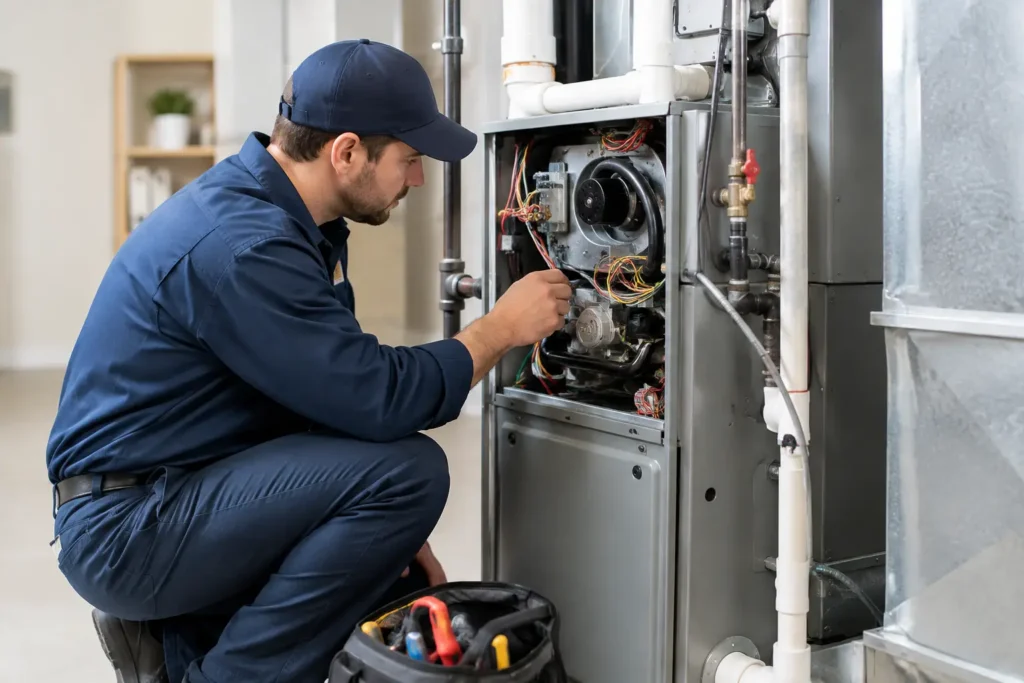
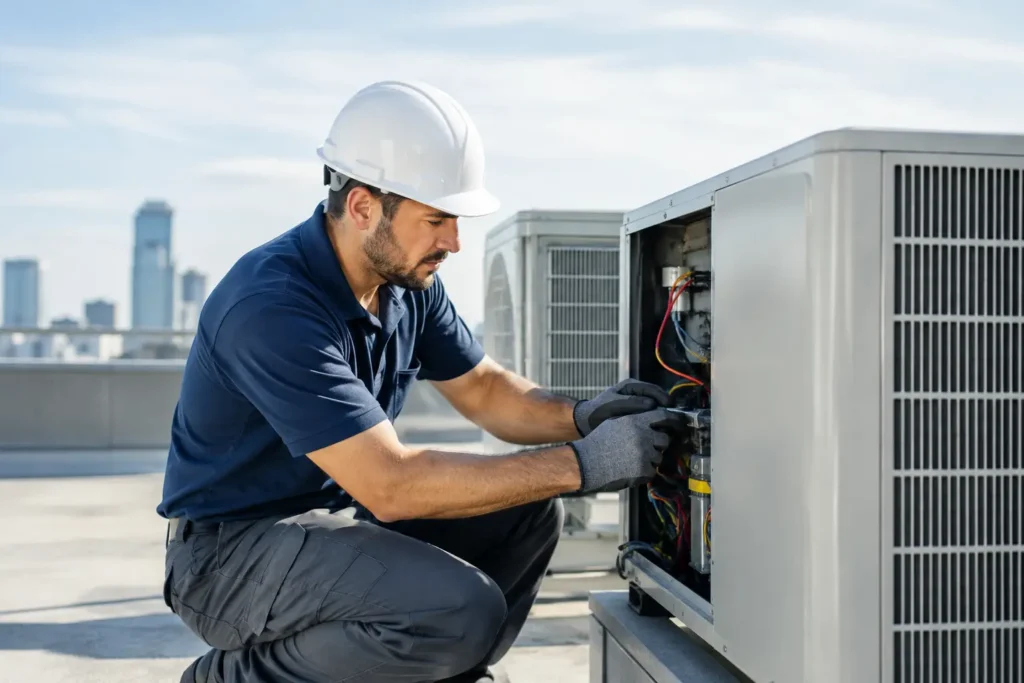
A furnace stops producing heat on a cold evening, or an air conditioner quits during a Northern Virginia heat wave. You schedule a repair, approve the work, and naturally expect the problem to stay fixed. But are HVAC repairs guaranteed? The honest answer is yes, many professional repairs come with a workmanship guarantee or parts warranty, but the length and coverage depend on the company, the part installed, and the condition of the system.
A clear repair guarantee protects you from paying twice for the same issue. It also gives the contractor a reason to diagnose carefully, install quality parts, and stand behind the work. Before authorizing a repair, ask exactly what is covered and get the answer in writing.
What an HVAC Repair Guarantee Usually Covers
A repair guarantee is not one universal policy used by every heating and cooling company. It is generally a promise that if the repaired component or the technician’s workmanship fails within a stated period, the company will return to address the covered problem.
There are usually two separate protections involved. The first is a parts warranty, which comes from the manufacturer of the replacement part. If a newly installed capacitor, contactor, blower motor, ignitor, or control board is defective, the manufacturer may cover the part for a defined period.
The second is a labor or workmanship guarantee offered by the HVAC contractor. This covers the service work required to correct a problem caused by installation or repair error. Labor coverage matters because a manufacturer may provide a replacement part while leaving the customer responsible for the cost of diagnosing and installing it.
A dependable HVAC company should explain whether its guarantee covers parts, labor, diagnostic charges, or some combination. If the language is vague, ask before work begins. A trustworthy answer should be direct: what is covered, for how long, and what you would pay if the issue returns.
Are HVAC Repairs Guaranteed for Every Problem?
Not necessarily. A guarantee typically applies to the specific repair performed, not to every part of an aging HVAC system. If a technician replaces a failed capacitor and the compressor fails two months later, the capacitor repair may have been completed correctly. The compressor failure is a different issue.
This distinction is especially important for systems near the end of their expected service life. HVAC equipment has multiple interconnected components. Repairing one failed part can restore operation, but it cannot make older motors, coils, boards, or compressors new again.
A good technician will explain this without pressure. They should identify the immediate failure, discuss any visible risks, and give you an honest repair-versus-replacement recommendation. For a newer system with a straightforward problem, repair is often the sensible choice. For an older unit facing repeated failures or a major component issue, investing more money in repairs may not provide the long-term reliability you need.
What Can Limit a Repair Warranty?
Every warranty has conditions. Knowing them helps prevent surprises when you need service again. Coverage may be limited when the return visit involves a different failed component, physical damage, improper use, or changes made to the equipment after the repair.
For example, a repair guarantee may not cover damage from a power surge, flooding, a pest problem, or work performed later by another contractor. It may also exclude problems related to neglected maintenance, such as severe buildup that restricts airflow and contributes to system strain.
Manufacturer warranties can have their own requirements. Some parts have limited coverage periods, and certain equipment warranties may require product registration to receive the longest available term. A qualified technician can help you understand what applies to your equipment, but homeowners and property managers should keep invoices, model numbers, and warranty documents in a safe place.
The most useful question is not simply, “Is this guaranteed?” Ask, “If this exact repair fails again, what will you cover, and what costs could remain?” That question turns a general promise into a practical expectation.
Why a Written Repair Guarantee Matters
Verbal assurances can be comforting, but written terms are easier to rely on when an issue comes back. Your invoice should identify the diagnosed problem, the repair performed, the parts installed, and the warranty period. This record helps both you and the service provider quickly determine whether a callback is related to the original repair.
Written documentation is particularly valuable for commercial properties. Facility managers may need to track repair history, explain expenses to ownership, and plan for future capital improvements. A detailed service record shows whether a unit is experiencing isolated failures or a pattern of costly breakdowns.
For homeowners, documentation also provides context when it is time to sell, refinance, or replace equipment. A file of professional repair and maintenance records demonstrates that the system received attention rather than being ignored until it failed.
How to Choose a Company That Stands Behind Its Work
Price matters, especially when a repair arrives unexpectedly. Still, the lowest upfront quote is not always the lowest-risk decision. A repair without clear warranty terms can become expensive if the same issue reappears shortly after the service call.
Look for a company that communicates its service guarantee plainly and sends qualified technicians to diagnose the problem. Certifications such as NATE certification are a useful sign that technicians have demonstrated knowledge of heating and cooling systems. A professional should also be willing to discuss repair options in understandable terms instead of using technical language to rush your decision.
Before approving work, ask about the diagnosis, the replacement part, the expected warranty period, and what the company considers a covered callback. If the repair is significant, ask whether replacement should also be considered and why. You do not need to become an HVAC expert. You just need enough information to make a confident decision.
AAA HVAC approaches repairs with that accountability in mind. A guaranteed repair should mean more than getting the system running for the moment. It should mean receiving a clear diagnosis, capable service, and a team that is prepared to address a covered issue if the original repair does not hold.
Maintenance Helps Protect the Repair You Paid For
A guarantee can cover a failed repair, but it cannot eliminate wear on the rest of the system. Routine maintenance is still one of the most practical ways to reduce avoidable breakdowns and protect your investment.
During a maintenance visit, a technician can check electrical connections, inspect moving parts, verify safe operation, and identify developing concerns before they become a no-heat or no-cooling emergency. Replacing filters on schedule and keeping the outdoor unit clear of leaves and debris also helps your system operate with less strain.
Maintenance does not guarantee that an older component will never fail. It does, however, improve the odds that small issues are identified early and gives you better information when deciding whether to repair or replace. For commercial equipment, planned maintenance can also help reduce disruption to employees, tenants, customers, and operations.
When to Call Back About a Repair
Contact the HVAC company promptly if the original symptom returns, the system begins making unusual noises, airflow drops noticeably, or you see water where it should not be. Do not assume the issue will resolve on its own, particularly if the system is short-cycling, tripping a breaker, or failing to heat or cool consistently.
Calling early gives the company the best opportunity to determine whether the concern is connected to the original repair. Have your invoice available and describe what you are experiencing, including when it started and whether anything has changed since the service visit.
A repair guarantee is most valuable when it is matched with clear communication on both sides. Keep your paperwork, ask direct questions, and choose a service team that treats your comfort and uptime as its responsibility. When the next repair decision arrives, confidence should come from knowing exactly what is being fixed and who will stand behind the work.