What Causes Furnace Odors? 8 Smells to Take Seriously
October 28, 2026
Furnace Efficiency: Lower Bills, Steadier Heat
November 1, 2026
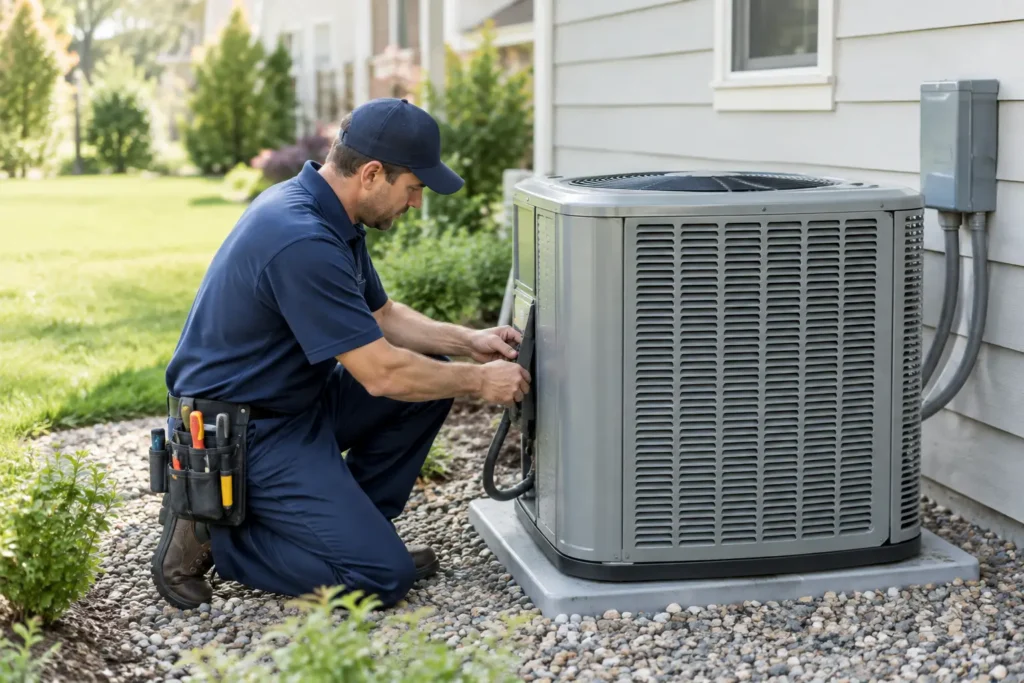
A new air conditioner is a major comfort decision, especially when a Northern Virginia summer is already pushing an older system past its limits. This central AC installation guide explains what should happen before, during, and after installation so you can make a confident choice, avoid costly shortcuts, and get dependable cooling when you need it.
Start With the Right System Size
The most common installation mistake is choosing equipment based only on a home’s square footage or the size of the old unit. Bigger is not automatically better. An oversized air conditioner can cool the house too quickly, shut off before removing enough humidity, and create uneven temperatures. It may also cycle more often, which adds wear to components.
An undersized system has the opposite problem. It may run for long periods on hot afternoons without reaching the thermostat setting, increasing energy use while leaving rooms uncomfortable.
A qualified contractor should perform a load calculation before recommending a system. This evaluation considers more than floor area: insulation levels, window direction and condition, ceiling height, air leakage, occupancy, heat-producing appliances, and the layout of the home all affect cooling demand. Additions, remodeled attics, finished basements, and upgraded windows can change the load significantly since the last system was installed.
For commercial properties, the calculation also needs to account for business hours, equipment heat, occupancy changes, and rooms with different cooling needs. A restaurant, office suite, retail space, and server room should not be approached as if they have the same load profile.
Know What a Central AC Installation Includes
A central air conditioning system has several connected parts. The outdoor condenser releases heat gathered from inside the building. The indoor coil absorbs heat from the air moving through the system. Refrigerant lines connect those components, while the blower, thermostat, condensate drain, and existing air distribution system all need to work together.
That is why a replacement is not simply a matter of setting a new outdoor unit in the same spot. A proper installation may include replacing or resizing refrigerant line sets, inspecting the indoor coil, adding a correctly sized pad for the condenser, verifying drainage, connecting and calibrating the thermostat, and testing airflow.
If you are replacing both heating and cooling equipment, your contractor may recommend a matched system. Matched components are designed and rated to work together. Mixing an older indoor coil with a new outdoor unit can limit efficiency, reduce performance, and may affect manufacturer warranty coverage.
Pay Attention to Airflow
Even high-efficiency equipment cannot compensate for poor airflow. Before installation, the contractor should assess whether the existing air distribution system can deliver the airflow the new equipment requires. Restricted returns, undersized supply runs, damaged connections, or poorly balanced rooms can leave parts of the property too warm even when the new AC is operating correctly.
This does not mean every replacement requires major alterations. In some homes, the existing setup is in good condition and only needs small adjustments. In others, addressing airflow is the difference between a new system that merely runs and one that provides consistent comfort throughout the property.
Choose Efficiency Based on Your Goals
Air conditioners are rated for seasonal energy efficiency. Higher-efficiency equipment generally uses less electricity over a cooling season, but it also costs more upfront. The best choice depends on how long you expect to remain in the property, how heavily you use cooling, your budget, and the condition of the home.
A basic replacement may be the practical choice for a property with short-term ownership plans or limited cooling demand. A higher-efficiency system can make sense for a long-term home, a property with high summer utility bills, or homeowners who want quieter operation and stronger humidity control. Variable-speed equipment often offers more even temperatures, but it comes with a higher initial investment and should be installed by technicians familiar with its setup requirements.
Ask for a clear comparison of options, including installed price, warranty terms, expected efficiency, noise level, and any recommended upgrades. The lowest proposal is not always the lowest long-term cost if it omits necessary work, uses mismatched components, or leaves known airflow problems unresolved.
Plan for Permits, Placement, and Access
Central AC installation usually involves local permit requirements. Permits are not paperwork for its own sake. They help confirm that the installation meets applicable safety and building standards, including equipment clearances, condensate drainage, and required inspections. A reputable contractor should explain who is responsible for permitting and what to expect from the process.
Outdoor unit placement matters, too. The condenser needs appropriate clearance for airflow and service access. It should be positioned on a stable base, away from areas where roof runoff or landscaping can block the coil. Noise can also be a factor when choosing a location near bedrooms, patios, or neighboring properties.
Indoors, technicians need safe access to the air handler or furnace, coil, drain, and related connections. Clear the work area before the appointment and mention any access concerns in advance, such as a tight attic hatch, a locked mechanical room, pets, or parking limitations. These small details help the installation stay on schedule.
What to Expect on Installation Day
A professional installation begins with confirming the selected equipment and reviewing the work scope with you. The crew should protect work areas, safely remove the old equipment, and inspect the connection points before installing the new system.
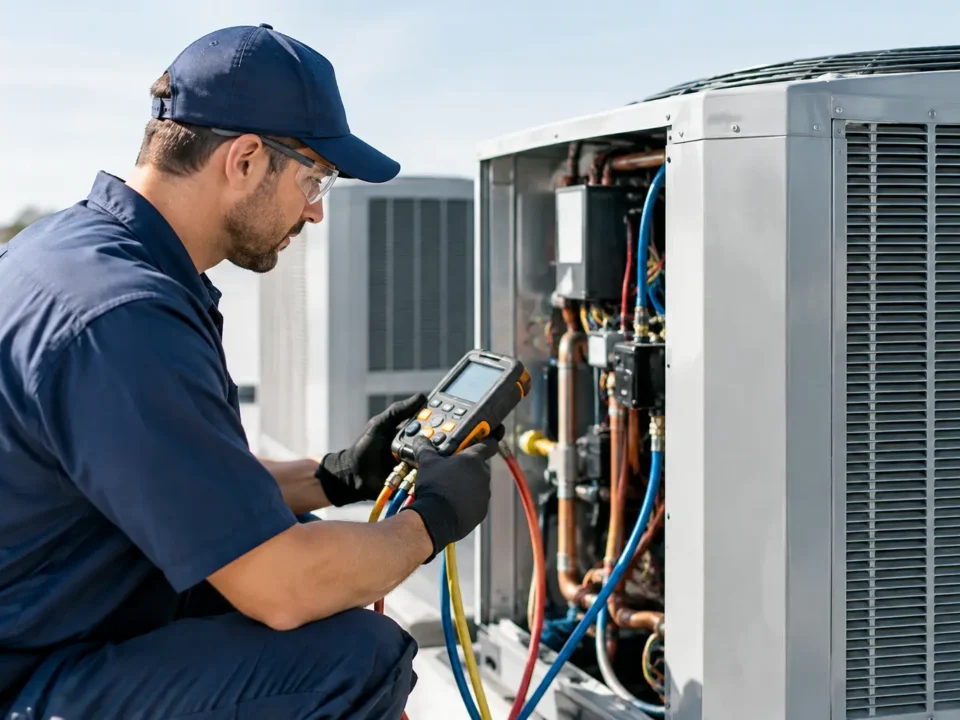
The technical work matters most after the equipment is in place. Refrigerant lines must be properly connected, pressure-tested, evacuated, and charged according to the manufacturer’s specifications. The condensate drain needs to flow correctly. The system must have correct airflow, and thermostat settings should be verified. Skipping these steps can shorten equipment life, reduce efficiency, and create comfort problems that are hard to diagnose later.
Before the team leaves, ask for a walkthrough. You should know how to operate the thermostat, where to find the filter, what normal startup sounds like, and which warning signs require service. Keep copies of your equipment information, warranty documents, permit records, and final invoice in one place.
Questions Worth Asking Before You Approve the Work
A detailed proposal should answer the practical questions, not just list a model number. Ask whether the system was sized using a load calculation, whether the indoor and outdoor components are matched, and whether the quoted price includes permits, removal, startup testing, and warranty registration.
You should also ask what happens if the installation reveals an issue with airflow, drainage, or the existing refrigerant lines. Clear answers upfront protect you from surprises and make it easier to compare proposals fairly. If financing is a priority, review the payment options before installation day rather than making a rushed decision during a breakdown.
Protect Your Investment After Installation
A new system still needs regular care. Replace or clean filters on the schedule recommended for your system and household conditions. Keep the area around the outdoor unit free of leaves, grass clippings, and stored items that can restrict airflow. Set the thermostat to reasonable temperatures rather than making large, frequent changes.
Preventive maintenance is especially valuable before summer. A trained technician can check refrigerant performance, electrical connections, drainage, airflow, and overall operation before a small concern turns into a no-cooling call during peak heat. It also gives you a documented service history for a significant home investment.
If the system runs constantly, produces unusual sounds, leaks water, freezes up, or cools unevenly, schedule service promptly. Waiting can turn a manageable adjustment into a larger repair.
For homeowners and property managers, the right installation is less about buying the most expensive unit and more about getting a correctly designed, carefully commissioned system backed by accountable service. AAA HVAC can help Northern Virginia customers assess their options, explain the work clearly, and schedule qualified installation support when dependable cooling cannot wait.