How to Extend Furnace Lifespan in Northern Virginia
July 24, 2026
Smart Thermostat Review Guide for Northern Virginia
July 26, 2026

A failed air conditioner during a Northern Virginia heat wave rarely starts as a same-day problem. Many breakdowns begin with a worn electrical connection, restricted airflow, low refrigerant, or a drain issue that could have been found earlier. That is where HVAC maintenance membership benefits become practical: they turn system care from an easy-to-postpone task into a scheduled plan for protecting comfort.
For homeowners, property managers, and business owners, a membership is not simply a discount program. It is an agreement to keep heating and cooling equipment checked, cleaned, and ready for the season ahead. The value depends on the plan, the age of the equipment, and how heavily it runs, but the right membership can reduce stressful surprises and make service decisions easier.
What an HVAC Maintenance Membership Usually Includes
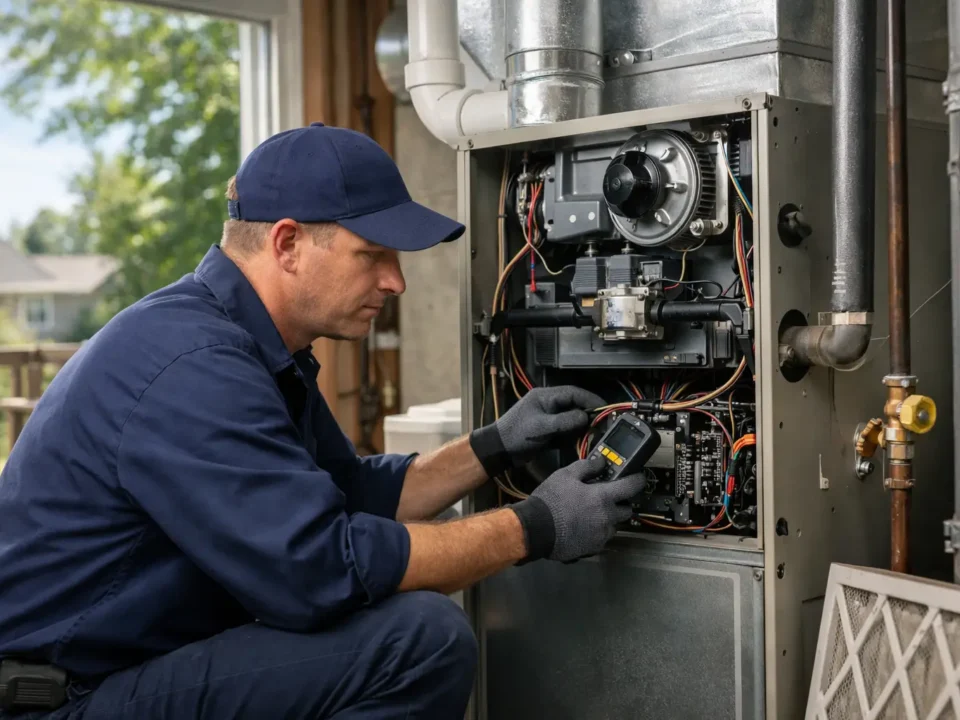
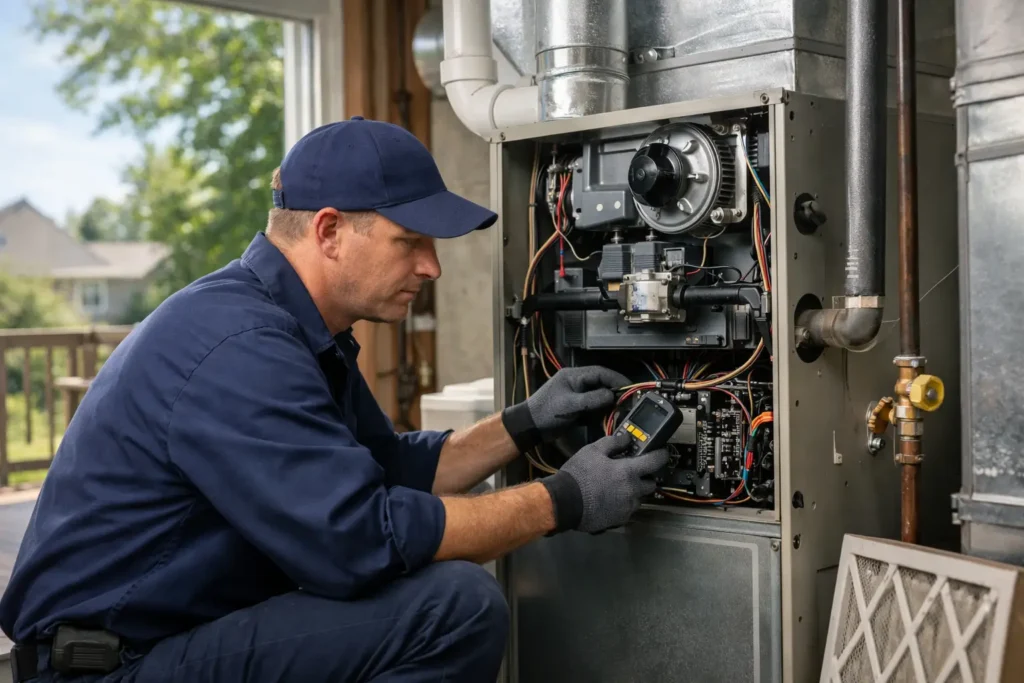
Most maintenance memberships include scheduled visits for both heating and cooling equipment. A technician typically inspects key operating components, checks safety controls and electrical connections, evaluates airflow, cleans areas that affect performance, and looks for early signs of wear.
Spring service focuses on air conditioning readiness before hot weather places heavy demand on the system. Fall service prepares the furnace or heat pump for reliable heating and includes added attention to safe operation. The exact checklist varies by equipment type, so customers should ask what is included for a furnace, central air conditioner, heat pump, ductless system, or commercial unit.
Many plans also include priority scheduling, reduced repair pricing, or lower after-hours service fees. Those benefits matter because a maintenance relationship can make it easier to get help when demand is high. Still, read the plan terms carefully. A membership does not usually make parts free, extend a manufacturer warranty automatically, or guarantee that an aging system will never fail.
HVAC Maintenance Membership Benefits for Everyday Comfort
The biggest benefit is often the least dramatic: fewer comfort interruptions. A system that receives regular attention has a better chance of making it through peak summer and winter demand without an avoidable service call.
Earlier repairs can be less disruptive
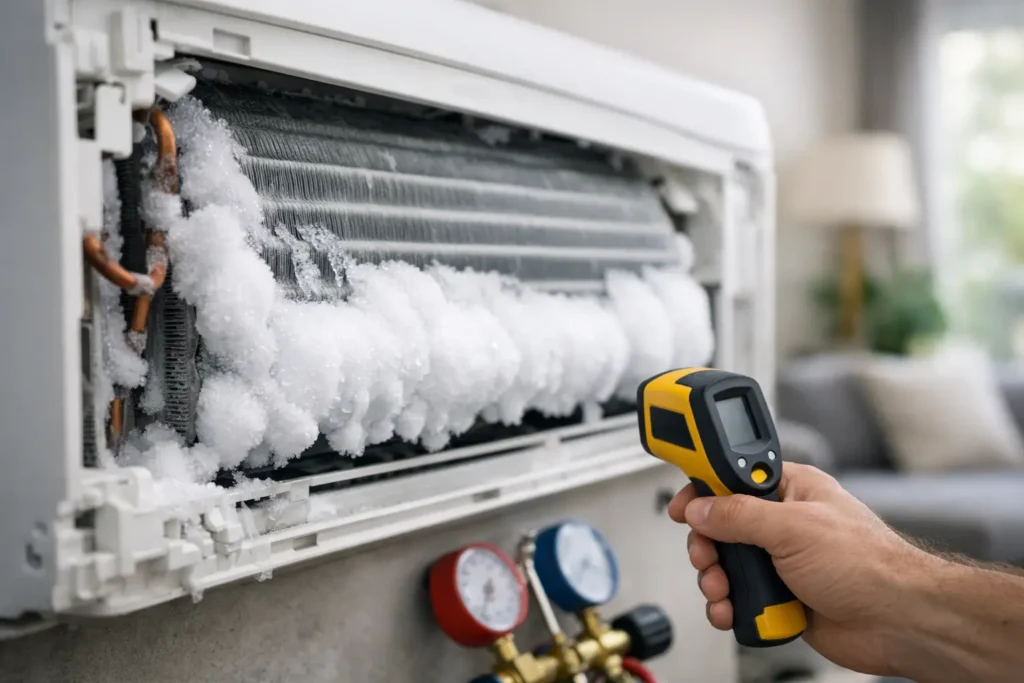
Technicians can find loose wiring, worn capacitors, dirty coils, deteriorating belts, drainage problems, and unusual operating readings before they become complete failures. Not every small issue needs immediate replacement, and a responsible technician should explain the urgency clearly. But catching a concern during a scheduled visit gives you time to consider the repair instead of deciding under pressure on the hottest or coldest day of the year.
For a commercial property, that timing can be especially valuable. An uncomfortable office, retail space, restaurant, or tenant area affects people immediately. Planned service helps facility teams address concerns during normal operating hours whenever possible, rather than reacting to a loss of cooling or heat after the fact.
Better efficiency starts with basic upkeep
Heating and cooling systems work harder when airflow is restricted, coils are dirty, or components are not operating as intended. Maintenance cannot make an outdated system perform like a new high-efficiency model, but it can help the equipment operate closer to its intended condition.
The energy savings from a single visit are not always dramatic or identical from one home to another. Results depend on insulation, thermostat settings, duct condition, equipment age, and how often the system runs. However, regular cleaning and adjustment can prevent performance losses that quietly build over time.
Priority service brings peace of mind
When a system stops working, the question is not just what failed. It is also how quickly a qualified technician can respond. Membership plans often place customers ahead in the service queue or provide preferred scheduling. During a regional heat wave or cold snap, that advantage can be meaningful.
Priority service is not the same as an instant appointment in every situation. High call volume, part availability, weather conditions, and the severity of other emergency calls can affect timing. It does mean you have an established relationship with a service provider and a clear path to request help.
A Membership Helps You Plan, Not Guess
HVAC equipment is one of the larger mechanical investments in a home or building. Without regular visits, owners often learn about its condition only when it breaks down. A maintenance membership creates recurring checkpoints where you can ask direct questions: Is the system safe? Is the performance normal? Which repairs can wait, and which ones should be handled now?
That information is useful when budgeting. If a technician sees that a major component is wearing or that an older system is approaching the point where repair costs may no longer make sense, you have time to compare options. You may decide to repair, maintain the system for another season, or begin planning a replacement and financing approach without an emergency driving the decision.
For landlords and property managers, documented service history can also improve communication with owners and tenants. It shows that preventive care was scheduled and provides a clearer record of equipment condition over time.
The Value of Consistent, Qualified Service
A membership is only as useful as the maintenance behind it. Look for a provider that explains the work performed, documents recommendations, and sends qualified technicians who understand the equipment they are servicing. NATE-certified technicians bring recognized HVAC knowledge, which can add confidence when a system needs diagnosis or a repair recommendation.
A good visit should not feel like a rushed sales call. The technician should identify what was checked, point out concerns in plain language, and distinguish between a safety issue, a repair that should be scheduled soon, and an item to monitor. That clarity allows customers to make informed decisions while still acting promptly when comfort or safety is at risk.
AAA HVAC approaches maintenance with the same goal it brings to repair calls: help customers avoid unnecessary risk and keep their systems dependable when they need them most.
When a Maintenance Membership Makes the Most Sense
Memberships are especially worthwhile for systems that receive heavy use, homes with older equipment, households with limited flexibility for a sudden breakdown, and commercial spaces where comfort affects operations. They are also a strong fit for owners who know routine maintenance tends to get pushed aside during busy seasons.
A newer system can benefit as well. Regular professional care supports proper operation and may help meet maintenance expectations associated with certain manufacturer warranty terms. Check your specific warranty documentation, because requirements differ by brand and model.
There are situations where the financial benefit may be less obvious. If you own a seldom-used property with newer equipment and can reliably schedule service on your own, a membership may not save much beyond convenience and preferred service. Even then, the equipment still needs seasonal attention. The decision is not maintenance versus no maintenance. It is whether a structured plan makes it more likely that maintenance actually happens.
Questions to Ask Before You Enroll
Before choosing a plan, ask how many visits are included each year and whether both heating and cooling equipment are covered. Confirm whether the plan applies to every system at the property or only one unit. If you manage a commercial building, ask how rooftop units, multiple zones, specialized equipment, and after-hours needs are handled.
You should also understand the service benefits. Ask whether repairs receive a discount, whether there is priority scheduling, what happens if a repair is needed during a maintenance visit, and whether there are exclusions for parts, refrigerant, or emergency service. Clear answers now prevent confusion when you need help later.
Finally, ask what documentation you will receive after each visit. A useful report should make it easy to track recommendations, understand the system’s condition, and plan next steps.
Keep the Membership Working Between Visits
Professional maintenance is essential, but owners still have a role. Replace or clean filters on the recommended schedule, keep outdoor units clear of leaves and debris, make sure supply and return vents are not blocked, and pay attention to new noises, odors, weak airflow, or uneven temperatures. Calling early about a change in performance may prevent a minor concern from becoming a full shutdown.
If your heating or cooling system has been unreliable, do not wait for the next extreme-weather day to find out what it needs. Schedule a maintenance visit, ask for a straightforward assessment, and choose a membership plan that gives your home or business a dependable path to year-round comfort.