Commercial HVAC Troubleshooting Guide for Managers
August 24, 2026
Furnace Installation Step by Step: What to Expect
August 26, 2026
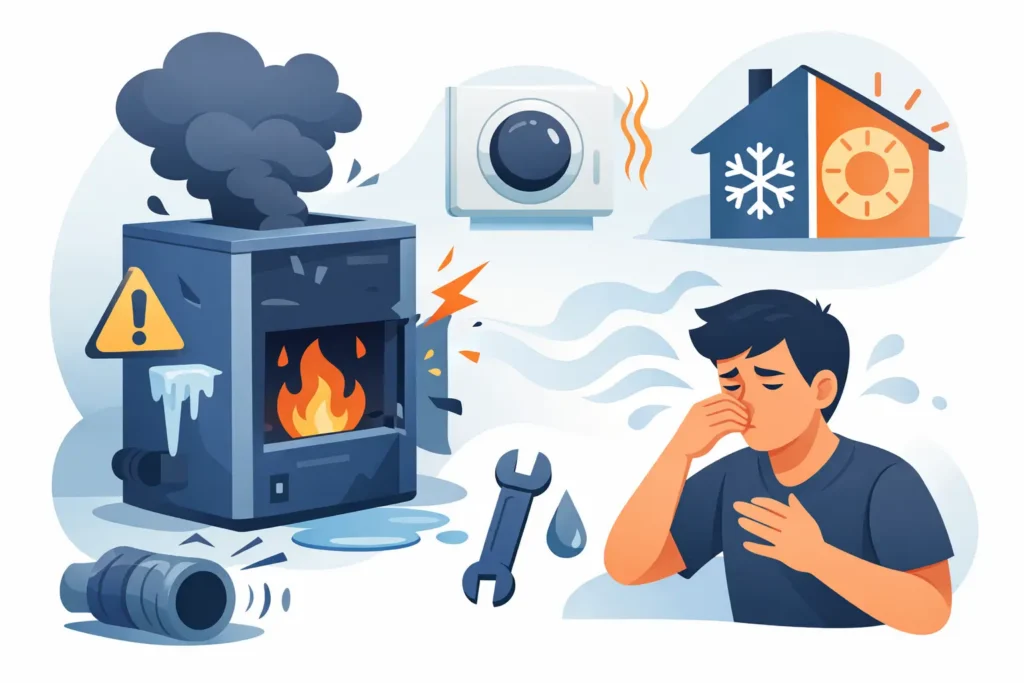
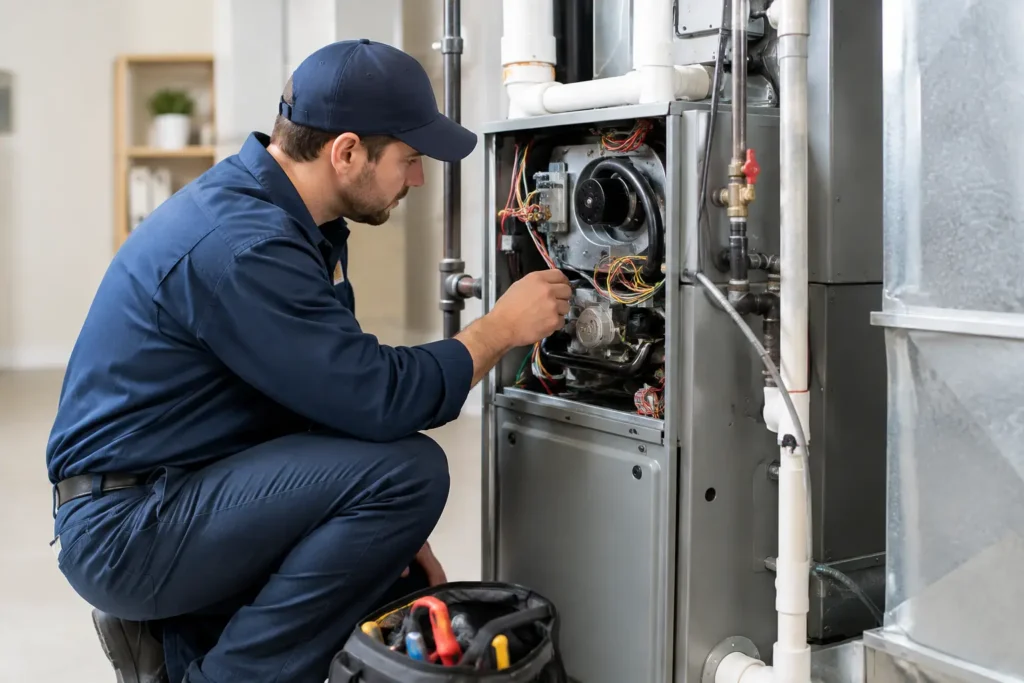
A furnace rarely quits at a convenient time. It often gives you a warning during the first cold night of the season, when your home will not warm up, the system keeps cycling, or an unfamiliar smell comes from the vents. Knowing the best signs of furnace failure can help you act before a small repair becomes a no-heat emergency.
Some furnace problems are inconvenient. Others can affect safety, indoor air quality, or your utility costs. The key is knowing which symptoms call for a routine appointment and which ones mean you should turn the system off and get professional help right away.
The Best Signs of Furnace Failure You Should Not Ignore
1. Your furnace blows cold air
When the thermostat is set to heat but the registers send out cool or room-temperature air, the furnace is not completing its heating cycle properly. A dirty air filter, thermostat issue, ignition failure, or malfunctioning flame sensor can all contribute. In a heat pump system, cold-air complaints may have different causes, so the equipment type matters.
Start by confirming the thermostat is in heating mode and replacing a visibly clogged filter. If the system still blows cold air, do not keep raising the thermostat setting. That will not fix the underlying issue and may cause the equipment to run longer without delivering comfort.
2. The furnace turns on and off too often
Short cycling is when the furnace starts, runs briefly, shuts down, and repeats the pattern before the home reaches the set temperature. Besides being frustrating, frequent cycling puts added wear on ignition components, motors, and safety controls.
A restricted filter, blocked venting, overheating, improper furnace sizing, or a thermostat problem may be behind it. A single short cycle after a thermostat adjustment is not always alarming. Repeated short cycling, especially during normal winter operation, deserves a service call.
3. You hear new or unusually loud noises
Furnaces make some normal operating sounds, including the click of ignition, the low movement of air, and a soft hum from the blower. Sudden banging, screeching, grinding, rattling, or booming is different.
A boom at startup can point to delayed ignition, where gas builds up before lighting. Screeching may indicate a motor or belt issue in older equipment. Grinding can suggest worn bearings or another mechanical concern. Turn the system off if the noise is loud, persistent, or accompanied by burning smells, then have a qualified technician inspect it.
4. You smell gas, burning, or something unusual
A brief dusty smell can be normal when a furnace runs for the first time after months of inactivity. That odor should fade quickly. Persistent burning odors, an electrical smell, or a smell similar to rotten eggs should never be dismissed.
If you suspect a gas leak, leave the building immediately. Do not operate switches, light matches, start a vehicle nearby, or try to locate the leak yourself. Once you are safely away, contact your gas utility or emergency services as appropriate, then arrange for furnace service. For a persistent burning smell without a suspected gas leak, shut the furnace down and call for an inspection.
5. Your carbon monoxide alarm goes off
A carbon monoxide alarm is an emergency warning, not a maintenance reminder. Carbon monoxide has no color or smell, and exposure can cause headache, dizziness, nausea, confusion, or flu-like symptoms. A cracked heat exchanger, venting problem, or incomplete combustion may be involved, but only testing can identify the cause.
Get everyone, including pets, into fresh air immediately and call emergency services or your local fire department. Do not reenter the building or restart the furnace until authorities say it is safe. Every home with fuel-burning equipment should have working carbon monoxide alarms, ideally near sleeping areas and on each level of the home.
6. Your energy bills rise without a clear reason
Winter utility bills naturally increase when temperatures drop. A sharp increase that does not match weather conditions, thermostat habits, or changes in occupancy can signal declining furnace efficiency. The unit may be running longer because of a dirty filter, failing blower motor, ignition issue, airflow restriction, or aging components.
For commercial properties, this problem can show up as uneven temperatures across offices, customer areas, or tenant spaces. A system that cannot maintain setpoints can disrupt operations well before it fails completely. Tracking utility use and comfort complaints helps property managers catch the pattern early.
7. Some rooms stay cold while others overheat
Uneven heating does not automatically mean the furnace itself is failing. Closed registers, thermostat placement, insulation gaps, and airflow design can all play a role. Still, if a previously comfortable home or building suddenly develops major hot and cold spots, the heating equipment should be evaluated.
Pay attention to when the problem occurs. If certain rooms are cold only during extreme weather, the system may be near its capacity. If the imbalance appears in mild cold weather or worsens over time, it could indicate blower, control, or equipment-performance issues.
8. The furnace needs more repairs each season
One repair does not always make replacement the right decision. Furnaces can often be repaired reliably, particularly when they are otherwise well maintained and the issue is isolated. The calculation changes when repairs become frequent, costly, or tied to multiple aging parts.
Consider the furnace’s age, its repair history, efficiency, parts availability, and whether it still heats the property safely and consistently. A technician can explain whether repair is the practical choice or whether replacement would provide better long-term value. You should receive clear options, not pressure to replace equipment that can still be dependably repaired.
What to Do When You Notice Furnace Failure Signs
Your next step depends on the symptom. Before scheduling service for a comfort problem, check the thermostat setting, confirm the furnace switch is on, and inspect the air filter. These quick checks can resolve simple issues and give the technician useful information if service is still needed.
For anything that suggests a safety concern, take the conservative approach:
- Leave the property and seek emergency help if you smell gas or a carbon monoxide alarm sounds.
- Shut the furnace off if you notice persistent burning odors, smoke, sparks, or loud mechanical noises.
- Avoid repeatedly resetting a tripped breaker or restarting a furnace that keeps shutting itself down.
- Keep vents and the area around the furnace clear, but do not remove panels or attempt gas-related repairs yourself.
A furnace has safety switches designed to stop operation when something is wrong. Bypassing those protections or repeatedly forcing the system to restart can turn a repairable problem into equipment damage or a safety risk.
When a Repair Can Wait and When It Cannot
A furnace that makes a mild new noise but continues heating may be suitable for a prompt daytime appointment. A system with no heat during cold Northern Virginia weather should be treated more urgently, particularly for homes with young children, older adults, or anyone medically vulnerable. For businesses, a no-heat situation can also threaten employee comfort, tenant obligations, and temperature-sensitive operations.
Emergency service is most appropriate when there is no heat, a suspected gas or carbon monoxide issue, smoke, electrical burning, or a furnace that will not stay running. If the unit is operating but inefficiently, unevenly, or noisily, schedule an inspection before the problem has a chance to worsen.
Preventing a Midseason Breakdown
Preventive maintenance cannot eliminate every furnace failure, but it can catch worn parts, combustion concerns, airflow restrictions, and control issues before they interrupt heating. An annual tune-up before or early in heating season is especially valuable for older systems and properties that depend on consistent operation.
Between visits, replace filters on the schedule recommended for your system and household conditions. A home with pets, construction dust, or higher occupancy may need more frequent filter changes than a lightly used home. Keep an eye on your thermostat performance, heating consistency, and any changes in sound or smell.
When your furnace sends a warning, responding early protects more than your comfort. It gives you more control over the repair decision, reduces the chance of a cold-weather breakdown, and helps a qualified technician address the problem before it becomes urgent. AAA HVAC can provide same-day furnace service when dependable heat cannot wait.