Benefits of Preventative HVAC Maintenance
August 30, 2026
How to Clean Condensate Drain Lines Safely
September 1, 2026
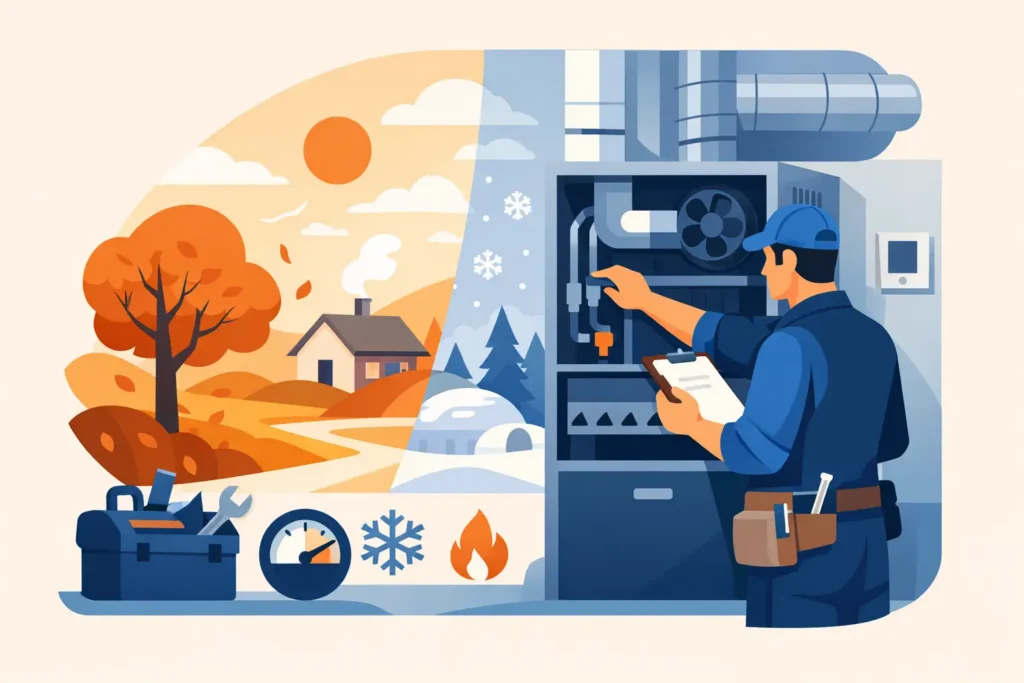
A furnace rarely fails at a convenient time. The first truly cold night in Northern Virginia is when many homeowners discover a small issue has become a no-heat emergency. Furnace maintenance before winter gives you time to address worn parts, safety concerns, and efficiency problems before your household or building depends on the system every day.
For homeowners, that can mean fewer surprise repairs and more predictable utility bills. For property managers and commercial decision-makers, it means protecting tenant comfort, avoiding disruption, and reducing the risk of an urgent service call during peak heating demand. A little preparation cannot prevent every breakdown, but it can uncover many of the conditions that cause them.
Why Furnace Maintenance Before Winter Pays Off
Your furnace may have sat unused for months. During that time, dust can settle, electrical connections can loosen, filters can become clogged, and components that were already aging can move closer to failure. When the system starts cycling frequently in cold weather, those small weaknesses become much more noticeable.
The most immediate benefit of maintenance is reliability. A technician can identify a failing igniter, weak blower motor, dirty flame sensor, or unusual operating pattern while there is still time to make a planned repair. Planned service is usually less stressful than waiting for the heat to stop on a weekend or during a cold snap.
Maintenance also supports efficient operation. A furnace that has to work harder than necessary may run longer, heat unevenly, or cycle on and off more often. The exact savings depend on the furnace’s age, condition, fuel type, insulation, thermostat settings, and how the building is used. Still, keeping the system clean, properly adjusted, and safely inspected is a practical way to avoid wasting energy.
There is also a safety reason to schedule service. Gas furnaces create heat through combustion, so the burner assembly, venting, heat exchanger, and safety controls deserve professional attention. Homeowners can handle basic upkeep, but a qualified technician should inspect the parts that affect combustion and carbon monoxide safety.
What You Can Do Before Scheduling Service
A few simple checks help you spot problems early and make a maintenance visit more productive. Start by replacing the air filter if it is dirty or if it has reached the manufacturer’s recommended replacement interval. A restricted filter can limit airflow, strain the blower, and contribute to uneven heating. If you have pets, ongoing construction nearby, or a high-occupancy commercial space, filters may need attention more often.
Next, confirm that supply registers and return grilles are open and not blocked by furniture, boxes, rugs, or stored materials. Closing vents throughout the building does not always reduce heating costs. In many systems, it can disrupt airflow and create unnecessary strain.
Set the thermostat to heat and raise the setting a few degrees above the current room temperature. Listen for the system to start and pay attention to what happens over the next several minutes. Warm air should begin moving through the registers without persistent rattling, banging, screeching, or burning odors. A faint dusty smell during the first heating cycle of the season can be normal, especially if the furnace has been idle. A strong electrical smell, a fuel odor, or smoke is not normal and should be addressed immediately.
If your home has carbon monoxide detectors, test them and replace batteries as needed. These detectors are not a substitute for furnace service, but they are an essential layer of protection. Follow the manufacturer’s placement and replacement recommendations.
What a Professional Furnace Tune-Up Should Cover
A real maintenance appointment is more than changing a filter and turning the furnace on. The details vary by equipment type, but a trained technician should assess the system’s operation, condition, and safety controls.
Safety and combustion checks
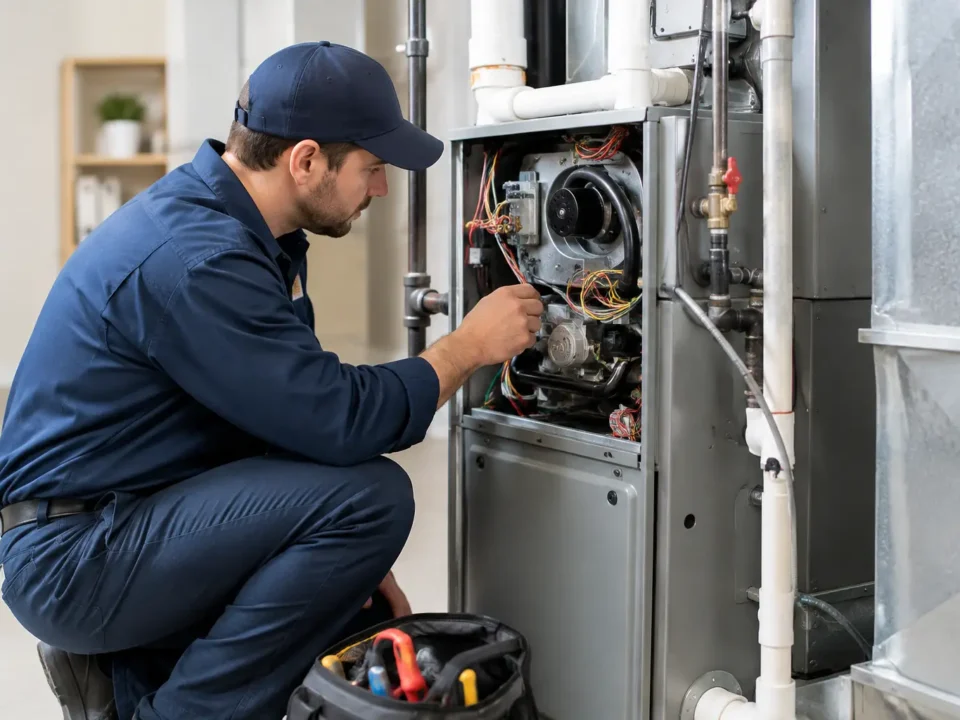
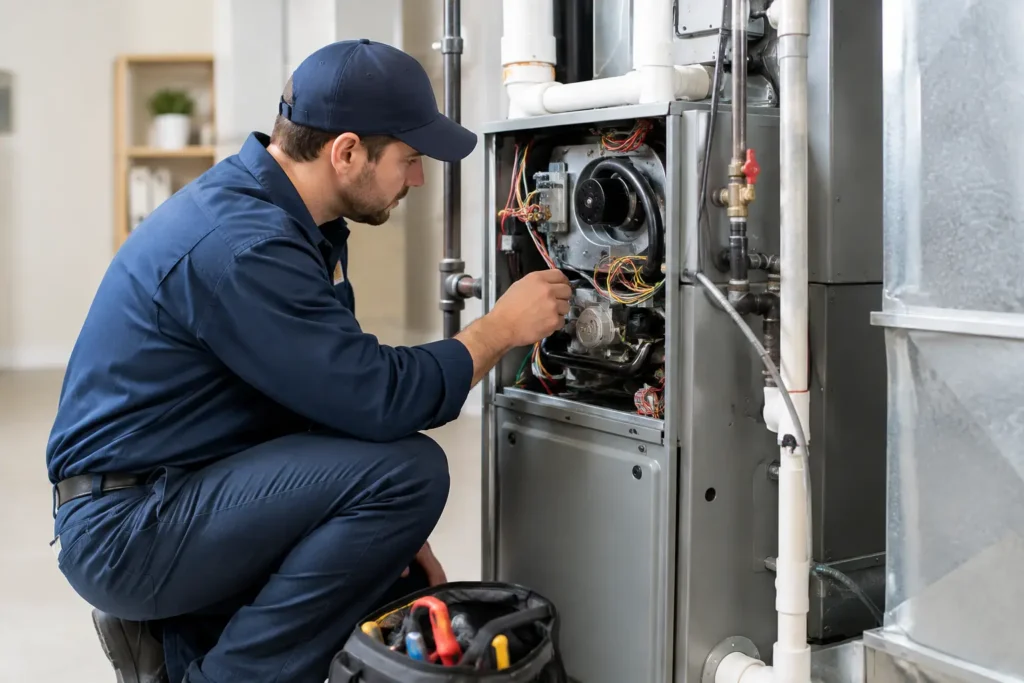
For a gas furnace, the technician should inspect the burners, ignition system, flame sensor, gas connections, venting, and combustion-related components. They should also look for signs of heat exchanger damage or corrosion and verify that safety switches are functioning as intended. These are not do-it-yourself tasks. Incorrect adjustments or missed warning signs can create avoidable safety risks.
Airflow and electrical inspection
The blower assembly, motor, wiring, capacitors, and control board all affect whether the furnace starts, runs, and distributes heat correctly. A technician can check for loose connections, worn electrical components, and airflow restrictions that may reduce performance. They can also evaluate whether the system is cycling properly instead of repeatedly starting and stopping.
Thermostat and overall performance testing
Your thermostat is the command center for the heating system. During service, it should be checked for accurate operation and proper communication with the furnace. The technician can run the equipment through a heating cycle, verify temperature rise, and note whether the system is producing heat within an appropriate range.
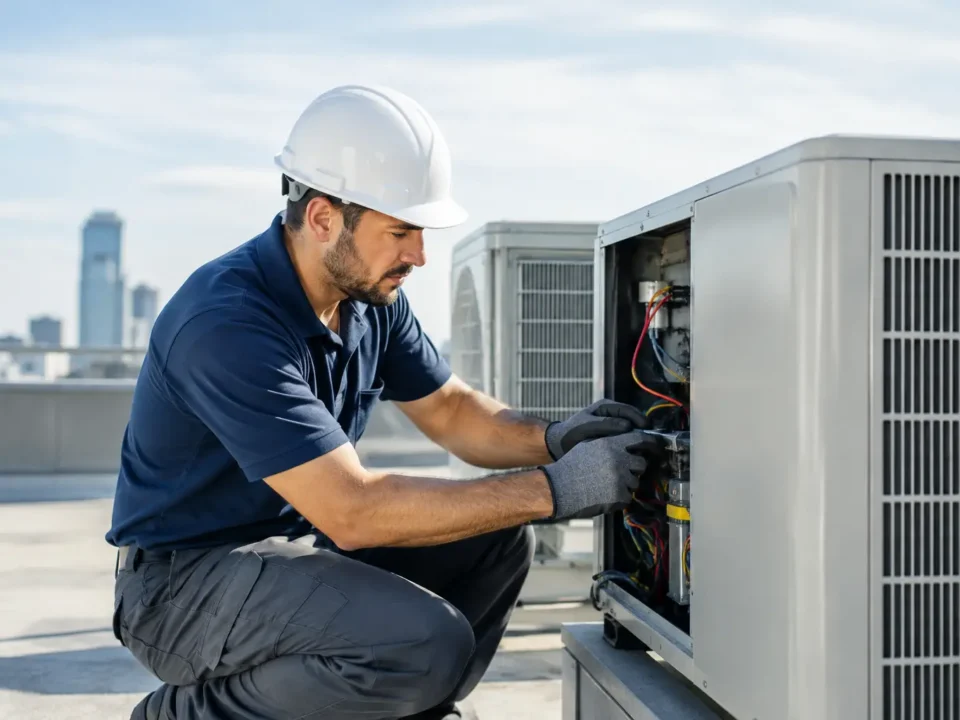
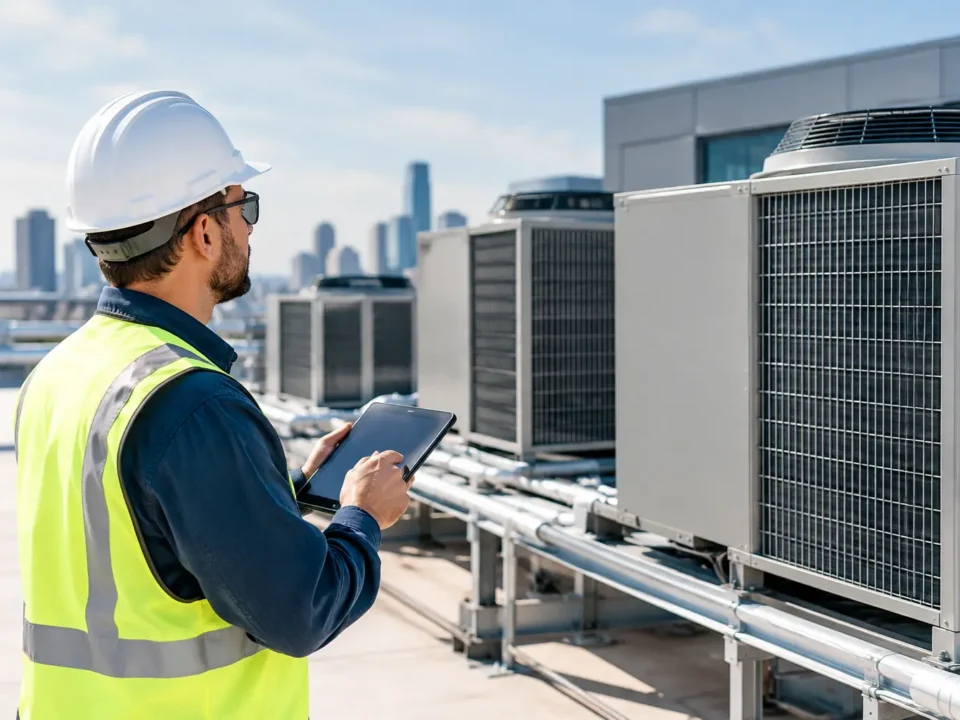
For commercial properties, maintenance may also involve reviewing operating schedules, zones, and occupancy needs. A system that performs well in a single-family home may require a different maintenance approach in an office, retail space, or multi-unit property. The goal is the same: dependable heat when occupants need it.
Warning Signs That Should Not Wait
Do not assume every furnace concern can wait until a convenient appointment. If you smell gas, leave the area, avoid operating electrical switches or open flames, and contact your gas utility or emergency services according to local guidance. Once the immediate situation is safe, arrange for qualified HVAC service.
Other concerns are less urgent but still deserve prompt attention. Schedule a repair visit if the furnace blows cool air, struggles to start, shuts down shortly after starting, makes new or loud noises, or leaves some rooms significantly colder than others. A sudden increase in heating bills can also point to a system working harder than it should.
Yellow or flickering burner flames on a gas furnace are another reason to call a professional. A healthy gas flame is generally blue. Do not attempt to clean burners or adjust gas components yourself.
When Maintenance May Reveal a Bigger Decision
A tune-up is meant to preserve equipment, not promise that every furnace can or should run forever. If your system is older, needs frequent repairs, or has a major safety-related issue, a technician may recommend discussing replacement options. That recommendation should include clear reasoning: what has failed, what repair would involve, how the system’s condition affects reliability, and what alternatives make sense for the property.
Repair can be the sensible choice when the furnace is otherwise in good condition and the issue is isolated. Replacement may be worth considering when repair costs are recurring, parts are difficult to obtain, comfort is inconsistent, or the equipment is nearing the end of its expected service life. The right answer depends on the system, not just its age.
For businesses, the calculation often includes downtime and occupant impact. Replacing a declining unit on a planned schedule may be less disruptive than reacting to a midwinter failure. For homeowners, a clear estimate and an honest condition assessment make it easier to decide without pressure.
Make Maintenance Part of Your Winter Readiness
The best time to schedule furnace service is before the first extended cold stretch, when appointment availability is typically better and any needed repairs can be planned. Early fall is ideal, but it is still worthwhile to arrange an inspection later in the season if your furnace has not been checked.
Keep the area around the furnace clear, know where the filter is located, and make a note of any changes you noticed during the first heating cycle. Those details help a technician diagnose concerns efficiently. AAA HVAC provides professional furnace maintenance and repair for homeowners and businesses that want dependable heat backed by qualified service.
Winter comfort should not hinge on whether an overlooked component makes it through another season. Give your furnace attention before it is working its hardest, and you will have a clearer picture of what your system needs to keep your space warm.