Air Conditioner Financing Options Guide for Buyers
September 23, 2026
Water Heater Noises: What Each Sound Means
September 25, 2026
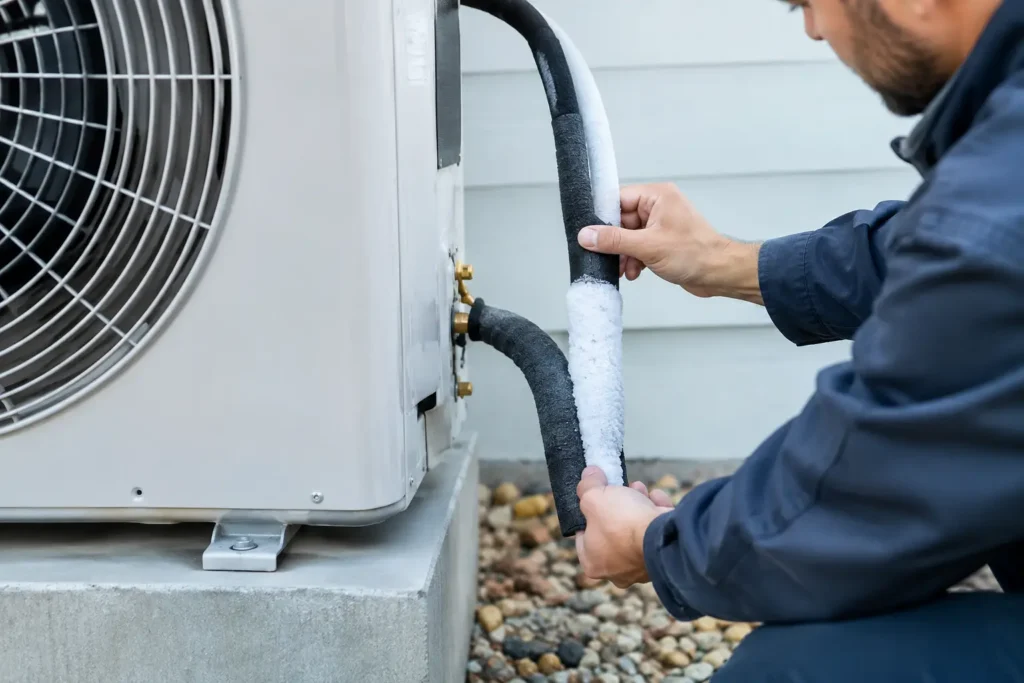
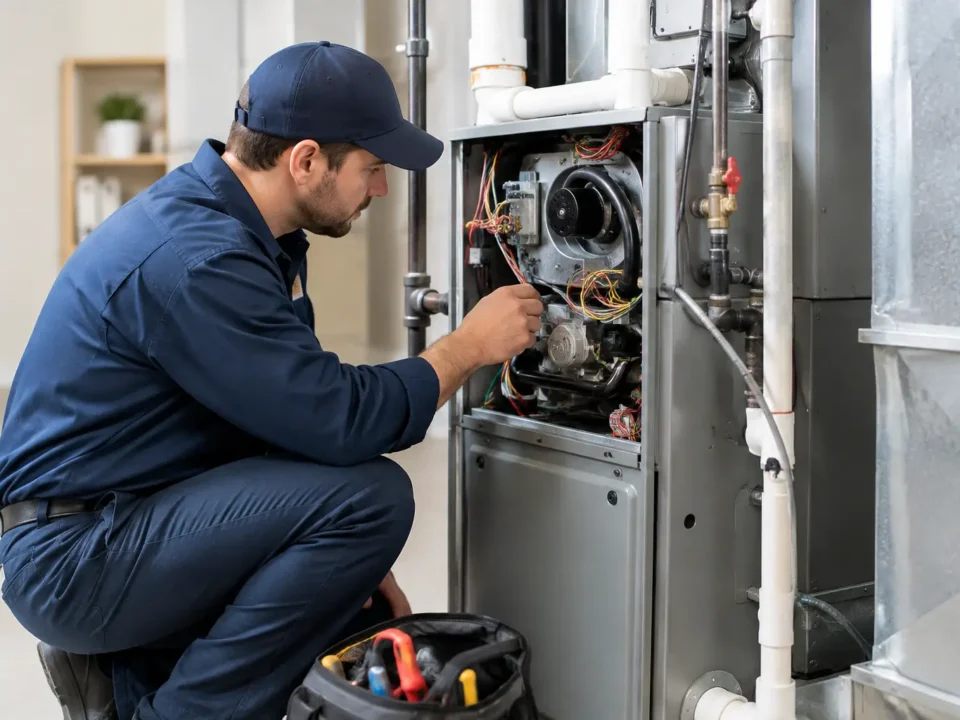
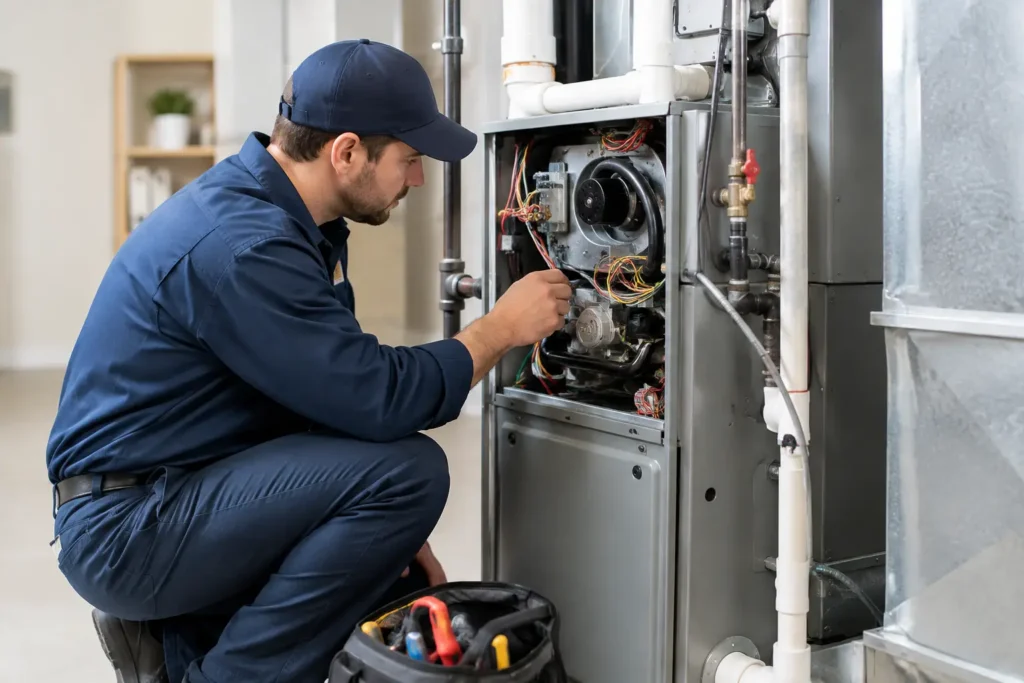
A furnace that shuts down during a Northern Virginia cold snap can look like a major equipment failure. Sometimes, though, the problem is a frozen condensate line. Learning how to prevent frozen condensate line problems can help protect your heat, avoid water damage near the unit, and catch a small drainage issue before it becomes an after-hours emergency.
This issue is most common with high-efficiency condensing furnaces and certain heat pump systems. These systems create water as part of normal operation. That water has to drain safely. When the line, trap, pump, or outdoor termination freezes, the system may detect a backup and shut itself off as a safety measure.
Why condensate lines freeze
A high-efficiency furnace extracts so much heat from combustion gases that moisture condenses into water. The condensate travels through a small drain line to an approved drain point or a condensate pump. In winter, any section exposed to freezing temperatures can become a trouble spot.
The most common cause is a pipe that runs through an unconditioned attic, crawlspace, garage, or exterior wall without enough protection. A line with poor slope can also hold standing water, which freezes faster than water moving through a properly pitched pipe. A partially clogged trap or drain line creates the same risk by slowing drainage.
On some installations, the condensate drain is tied to a system with an outdoor termination. Snow, ice, or wind-driven debris can obstruct that outlet. In other cases, a failing condensate pump allows water to sit in its reservoir until temperatures drop or the safety switch shuts the equipment down.
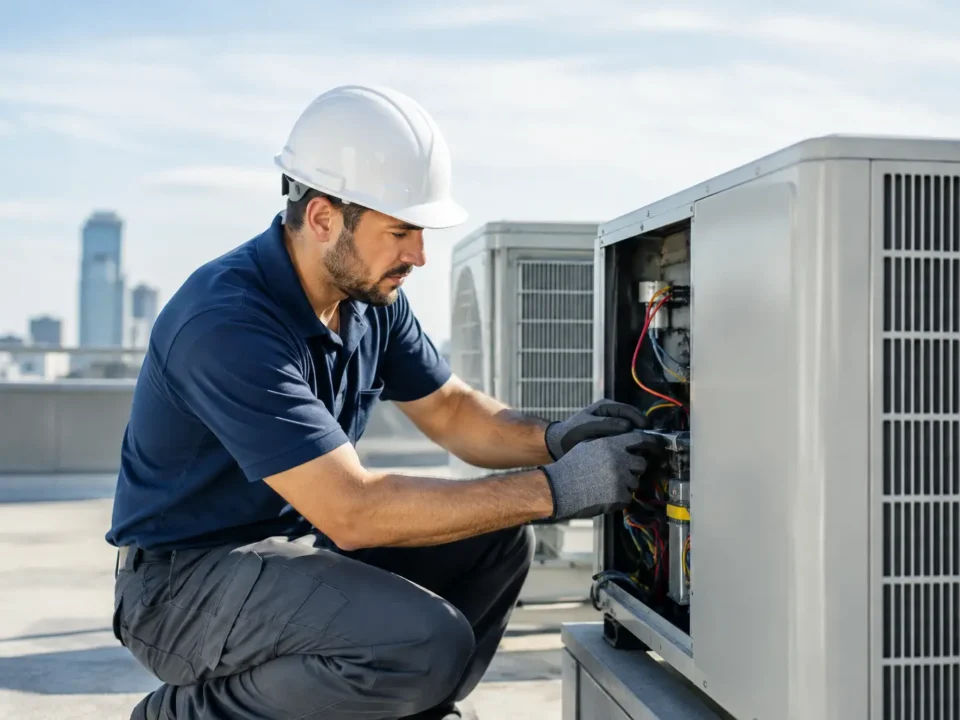
It helps to separate a frozen condensate line from a frozen refrigerant line. Frost or ice on refrigerant tubing, the indoor coil, or the outdoor unit can point to an airflow, refrigerant, or defrost-cycle problem. That is not a drain-line DIY fix and should be evaluated by a qualified HVAC technician.
Warning signs to address before a shutdown
Condensate problems often give homeowners and property managers a few warnings. You may notice water around the furnace or air handler, a drain pan that remains full, gurgling near the equipment, or repeated system shutdowns. Some furnaces display an error code, while others simply stop producing heat even though the thermostat is calling for it.
A heat pump system may run differently during defrost, but persistent water accumulation around the indoor equipment is not something to ignore. If your system has a condensate pump, listen for it when the equipment is operating. A pump that hums without moving water, runs continuously, or does not run at all needs attention.
Do not keep resetting the furnace if it stops repeatedly. The safety control is there to prevent an overflow or equipment damage. Resetting may restore heat briefly, but it does not remove the blockage or thaw the frozen section.
How to prevent a frozen condensate line
The right prevention plan depends on where the line runs and how the equipment is configured. A homeowner can handle routine observations and basic housekeeping, but changes to furnace drainage, venting, electrical connections, or system controls should be left to a trained technician.
Keep the drain path clear
Check the area around the furnace or air handler regularly during the heating season. Storage boxes, insulation scraps, and household items should not block access to the condensate trap, drain tubing, or pump. If you can see a clear drain section, look for sagging tubing, standing water, cracks, or loose connections.
A seasonal HVAC maintenance visit is the safest time to have the drain trap and line checked. Technicians can verify that the trap is configured correctly, clear buildup, inspect the drain pitch, and confirm that safety switches respond as intended. This is particularly useful for older systems and commercial equipment that runs for long hours.
Protect vulnerable pipe runs
Condensate piping should be routed through conditioned space whenever practical. If a section must pass through a cold area, it may need insulation, rerouting, or another approved freeze-protection solution. Insulation can slow heat loss, but it cannot solve every installation problem on its own. A line that is poorly pitched, undersized, or exposed to prolonged subfreezing weather may require a more permanent correction.
Do not wrap a condensate line with random materials or install heat tape without professional guidance. Heat tape must be compatible with the pipe material, properly controlled, and installed safely. An incorrect setup can create a new hazard while failing to protect the system.
Check outdoor terminations after winter weather
After a heavy snow or ice event, inspect visible outdoor HVAC terminations from a safe distance. Clear loose snow away from the surrounding area without inserting objects into pipes or vents. Never cap, cover, or seal a furnace vent or intake to keep out cold air. Those openings are essential to safe equipment operation.
If ice has formed inside or directly on a termination, call for service. Forcing it loose can damage the pipe or create a blockage that is not obvious from outside.
Make sure the equipment area stays warm enough
A furnace installed in an unconditioned space is more vulnerable when temperatures fall sharply. Keep doors, vents, and access panels in the surrounding space configured as intended for the home. If the area is unusually cold, drafty, or has a history of frozen pipes and drains, mention it during your maintenance appointment.
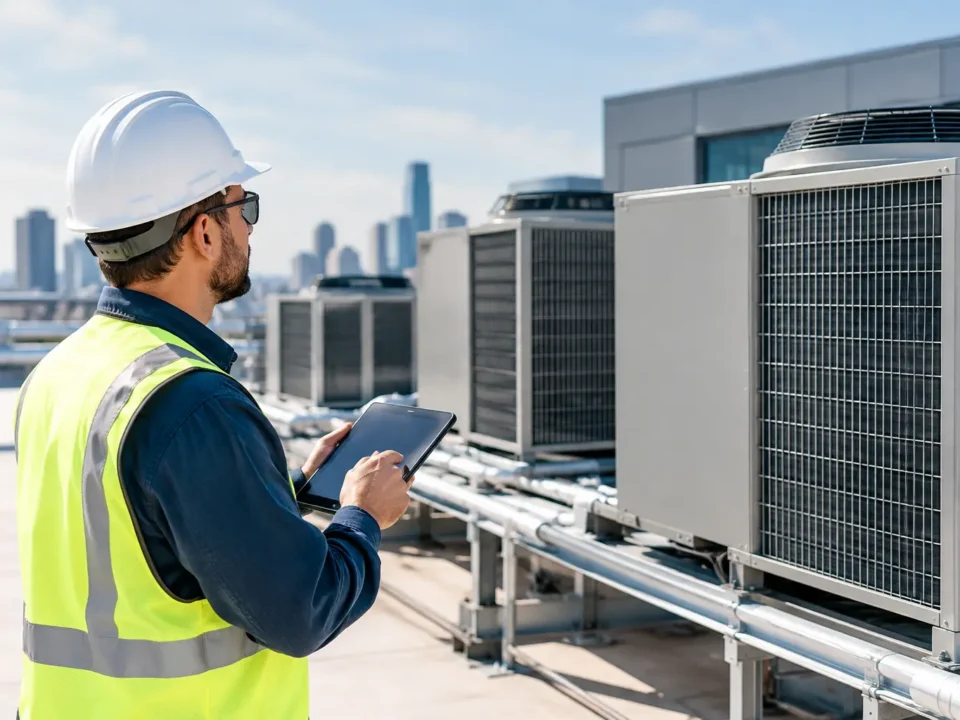
Property managers should also make winter inspections part of their routine for vacant units, mechanical rooms, and lightly used commercial spaces. A building with reduced occupancy can have cooler zones that allow drainage components to freeze even when the main thermostat appears normal.
What to do if you suspect the line is frozen
First, check the thermostat and replace the filter if it is severely dirty. Then look for obvious water around the equipment or a full condensate pump reservoir. If the system is off, avoid repeatedly cycling power at the breaker or thermostat.
If you can safely identify an exposed section of drain tubing in a warm indoor area, do not use an open flame, boiling water, or sharp tools to thaw it. Sudden heat can crack plastic components, and poking at a line can cause a leak. A technician can locate the frozen section, clear the line correctly, and determine whether the underlying cause is a blockage, routing issue, failed pump, or inadequate freeze protection.
For homeowners without heat, and for businesses where downtime affects occupants or operations, fast service matters. AAA HVAC provides responsive HVAC support across Northern Virginia, including help with heating systems that shut down because of condensate drainage issues.
When prevention requires a repair
If a condensate line freezes more than once, treat it as an installation or drainage problem rather than bad luck. The line may need to be rerouted, repitched, insulated, repaired, or paired with a properly selected condensate pump. A technician should also inspect the furnace pressure switches, drain trap, and safety controls, since repeated water backup can affect more than one component.
Preventive maintenance is usually less disruptive than discovering the problem during the coldest night of the year. Have the condensate system inspected before winter, keep the equipment area accessible, and respond promptly to water, error codes, or unexplained shutdowns. A clear path for condensate is a small detail that helps keep dependable heat where it belongs: inside your home or business.