How Much Does a New Furnace Installation Cost?
June 18, 2026
HVAC Installation and Repair: What to Expect
June 20, 2026

A furnace install can look deceptively simple from the outside. The old unit comes out, the new one goes in, and heat comes back on. But if you are asking, is it hard to install a furnace, the honest answer is yes – much harder than most homeowners expect.
A furnace is not just an appliance you slide into place and plug in. It has to match the home, connect safely to gas or power, move air correctly through the duct system, vent combustion gases the right way, and meet code. One mistake can mean poor heating, higher utility bills, equipment damage, or a serious safety risk.
Is It Hard to Install a Furnace? Yes, and Here’s Why
The difficulty starts before the installation itself. Choosing the right furnace size is one of the biggest factors. A unit that is too small may struggle to heat the house during a Northern Virginia cold snap. A unit that is too large can short cycle, wear out faster, and leave the home less comfortable.
Proper sizing is not guesswork. It should be based on the home’s square footage, insulation, window quality, layout, and ductwork. That is one reason professional installation matters. The goal is not just to get heat working again. The goal is to get safe, efficient, dependable performance for years.
Then there is the actual install. Furnaces connect to several systems at once, and each one has its own technical requirements. Gas furnaces involve fuel lines, burners, ignition systems, venting, and carbon monoxide safety. Electric systems have their own electrical load and wiring demands. In either case, airflow, drainage, controls, and thermostat communication have to be set up correctly.
What Makes Furnace Installation So Complex?
A furnace replacement usually involves more than swapping one metal box for another. Even when the new equipment goes in the same location, installers may need to adjust duct transitions, vent piping, drain lines, filter racks, electrical connections, and gas piping.
High-efficiency furnaces add another layer. These systems often use different vent materials and condensate drainage. If those parts are installed incorrectly, the unit may not operate as designed. In some cases, it may shut down repeatedly or create moisture problems around the system.
Older homes can be even more complicated. Existing ductwork may be undersized or leaking. The venting may not meet current code. The electrical setup may need updates. A new furnace installed on top of old problems does not fix the underlying issue. It can make performance complaints more likely.
Installation is part mechanical work, part system design
That is the part many people do not see. Good furnace installation is not only about attaching components. It is about making sure the furnace, ductwork, thermostat, return air, filtration, fuel supply, and exhaust all work together.
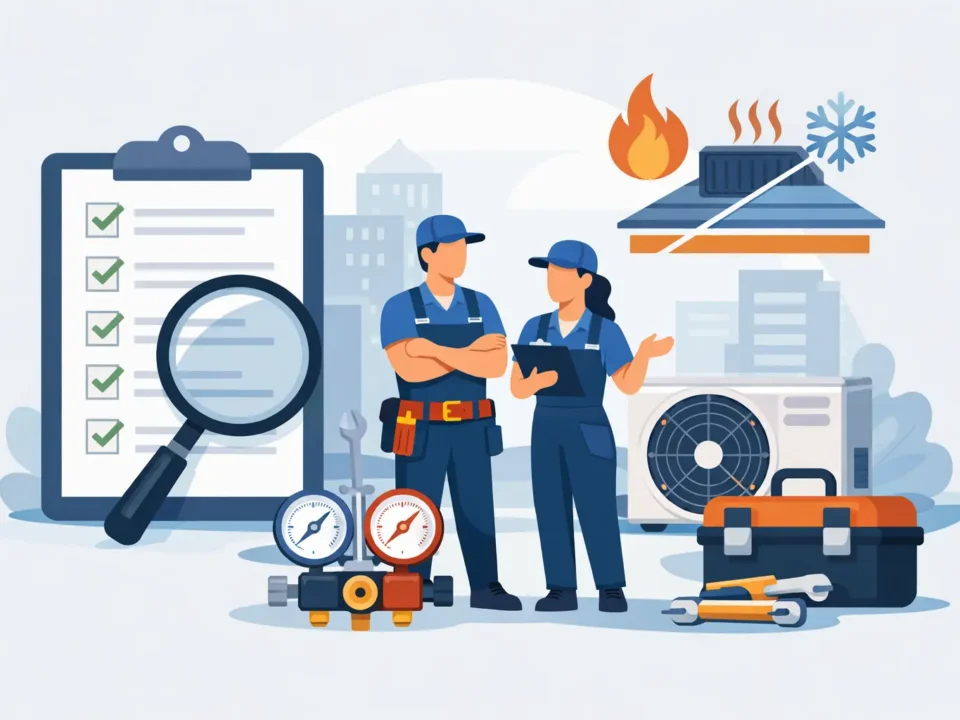
That is why experienced HVAC technicians test static pressure, check airflow, confirm temperature rise, inspect venting, verify gas pressure, and review control settings after installation. Without those checks, a furnace may run, but not run correctly.
Can You Install a Furnace Yourself?
Technically, some homeowners will try. Practically, it is not a good DIY project for most people.
A furnace installation involves licensed trade work in many jurisdictions. Permits and inspections are often required. Manufacturers may also require professional installation to preserve warranty coverage. If a homeowner installs the furnace incorrectly and something fails, the financial risk can be significant.
The larger issue is safety. Gas leaks, venting errors, electrical hazards, and combustion problems are not small mistakes. Carbon monoxide risk is one of the most serious concerns. An improperly vented furnace may operate without obvious warning signs until it becomes dangerous.
Even if the system turns on after a DIY install, that does not mean the job was done right. A furnace can still be oversized, under-vented, poorly sealed to the ductwork, or misconfigured at the thermostat. Those issues often show up later as uneven heating, repeated repairs, short cycling, or high energy bills.
What Can Go Wrong With a Bad Furnace Installation?
Poor installation affects more than comfort. It can shorten equipment life and create avoidable repair costs almost immediately.
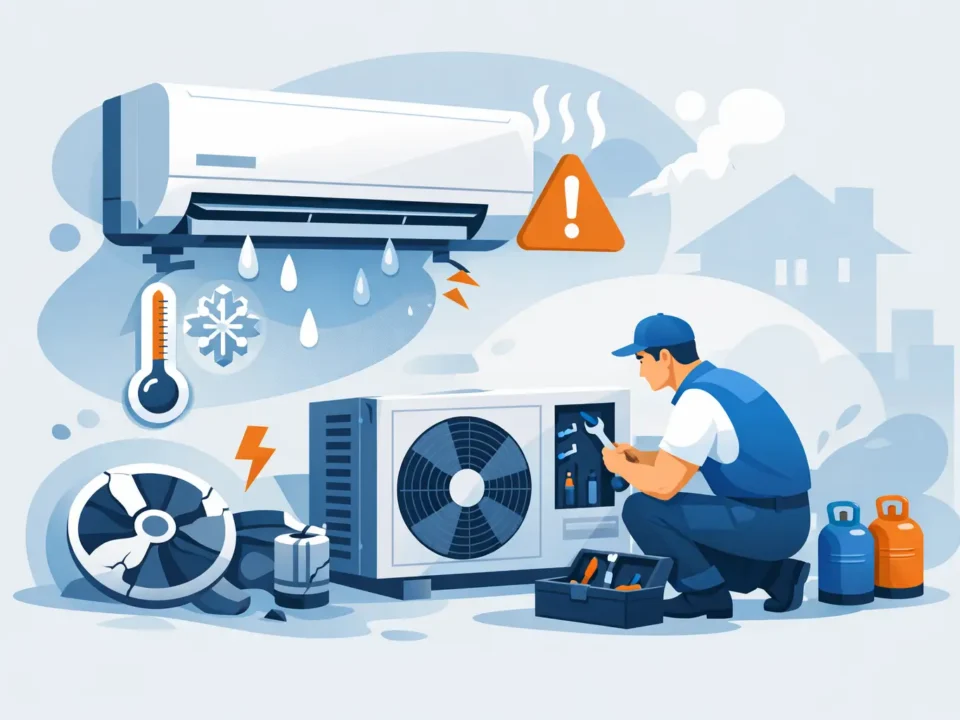
One common problem is airflow imbalance. If the blower is moving too much or too little air, the furnace can overheat, shut down on safety limits, or fail to deliver even temperatures throughout the building. Another issue is improper venting, which can affect combustion and exhaust removal.
Loose gas fittings, incorrect wiring, bad drainage, and unsealed duct connections can also cause trouble. Some of these mistakes show up right away. Others take months before the owner notices water around the unit, rising utility costs, unusual odors, or rooms that never seem comfortable.
For property managers and commercial decision-makers, installation mistakes can also mean downtime, tenant complaints, and service disruption. That is why the lowest bid is not always the lowest real cost.
How Long Does a Furnace Installation Take?
A standard replacement often takes one day, but that depends on the job. If the new furnace is similar to the old one and the supporting systems are in good shape, the work may be relatively straightforward.
If modifications are needed, the timeline can stretch. Duct changes, vent updates, control upgrades, condensate routing, or code corrections add labor. In older homes and commercial spaces, those extra steps are common.
This is another reason the answer to is it hard to install a furnace is yes. The visible part of the job may take hours, but the planning, setup, testing, and adjustments are what make the installation successful.
When Furnace Installation Gets More Difficult
Some replacements are clearly more demanding than others. Tight mechanical closets, attics, crawl spaces, and older basements can make removal and placement harder. Switching from one furnace type to another can require venting and fuel changes. Upgrading to a high-efficiency unit may involve condensate management and new intake or exhaust piping.
Homes with comfort problems already in place also need more attention. If the old furnace struggled to heat certain rooms, the issue may not be the furnace alone. Duct design, return air limitations, insulation problems, or thermostat placement may all need review.
That is where a careful installer adds real value. A rushed replacement can leave the same comfort issues in place. A thorough one can solve them.
A cheap install can become an expensive problem
This is one of the most common trade-offs homeowners face. It is tempting to focus only on the equipment price. But installation quality has a direct impact on efficiency, lifespan, warranty protection, and repair frequency.
A lower upfront quote may not include duct corrections, proper startup testing, or code-related upgrades. On paper, that can look like savings. Over time, it often turns into callbacks and frustration.
What a Professional Furnace Install Should Include
A proper installation starts with evaluating the home or building, not just looking at the old unit’s model number. The contractor should review system sizing, duct conditions, fuel type, venting, electrical requirements, thermostat compatibility, and access to the equipment.
During installation, the crew should remove the old unit safely, set the new furnace correctly, make secure connections, and bring the system into compliance with applicable code requirements. Afterward, they should test operation, confirm airflow and combustion performance, and explain what the owner needs to know about filters, maintenance, and thermostat settings.
For many homeowners in Northern Virginia, speed matters too. Losing heat in cold weather is not something most families can wait days to address. That is why working with a responsive company matters just as much as choosing the right equipment.
AAA HVAC approaches furnace installation with that reality in mind by focusing on dependable service, qualified technicians, and getting the system right the first time.
So, Is It Ever Easy to Install a Furnace?
For a trained, licensed HVAC technician with the right tools and a clear scope of work, a furnace install may be routine. That does not mean it is easy in the everyday sense. It means the complexity is manageable because the installer understands the system, the codes, and the testing required.
For a homeowner without that background, furnace installation is difficult enough that the risk usually outweighs any possible savings. The equipment is too important, and the safety stakes are too high.
If your current furnace is failing or you are planning a replacement, the smartest move is not to ask whether the box can be set in place. It is to ask whether the whole system will be installed safely, sized properly, and tested thoroughly so your heat works when you need it most.