Is It Hard to Install a Furnace?
June 19, 2026
Air Conditioner Not Cooling House? Start Here
June 21, 2026

A failing AC unit rarely gives you a convenient warning. It shows up on the hottest afternoon of the week, during a tenant complaint, or right before an important meeting at your building. That is why HVAC installation and repair is not just about equipment – it is about protecting comfort, avoiding downtime, and making smart decisions under pressure.
For homeowners and property managers in Northern Virginia, the right move depends on more than whether the system turns on. Age, efficiency, repair history, indoor comfort problems, and even ductwork condition all affect whether a quick fix is the best choice or whether replacement will save money and frustration over time.
When HVAC repair makes sense
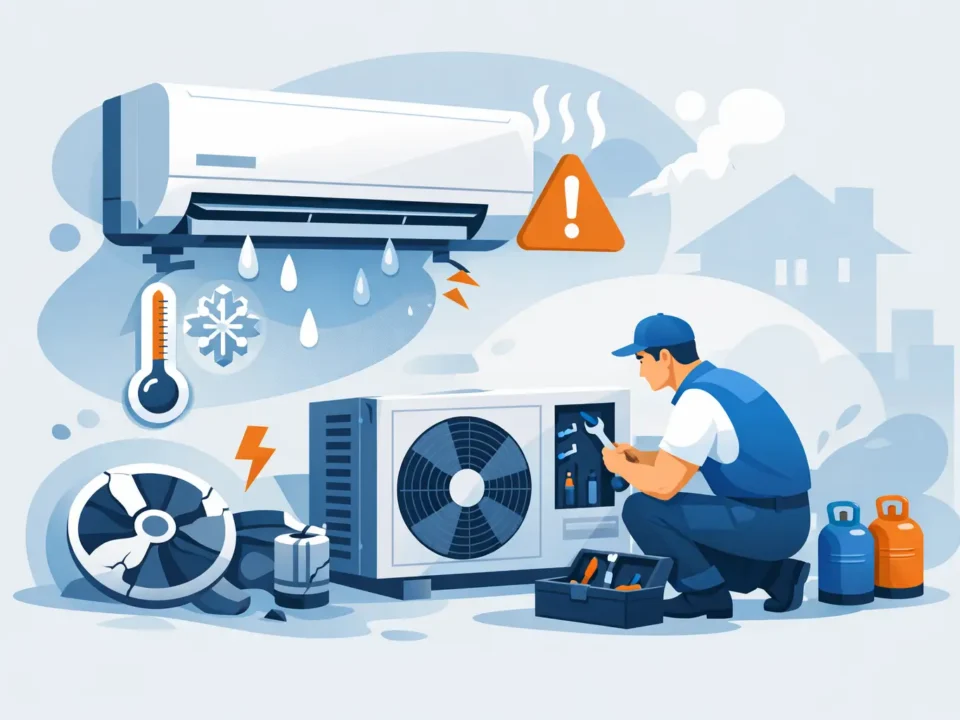
Repair is often the right first step when a system has been dependable and the issue is limited. A bad capacitor, failed ignitor, clogged condensate drain, worn contactor, or thermostat problem can usually be handled without replacing the entire unit. In those cases, a professional repair can restore comfort quickly and extend the life of the system.
The strongest case for repair is usually a newer unit with a clear, isolated problem. If your furnace or air conditioner is under 10 years old, has not needed frequent service, and has been sized correctly for the space, repairing it is often the practical decision. The same logic applies to many commercial systems where a single component has failed but the broader system remains sound.
That said, repair is not always the cheapest option in the long run. If service calls are becoming routine, the system struggles to keep temperatures consistent, or utility bills keep climbing, a repair may only buy a little time. That can still be worthwhile, but it helps to go into the decision with realistic expectations.
When HVAC installation is the better investment
Replacement becomes more attractive when the system is older, unreliable, or inefficient enough that ownership costs keep piling up. Many homeowners start looking seriously at installation when their AC or furnace reaches the 12 to 15 year range. Commercial decision-makers may weigh replacement even sooner if comfort complaints, operational risk, or maintenance costs are affecting tenants or business operations.
A new installation can solve more than breakdowns. It can address hot and cold spots, poor humidity control, loud operation, and systems that run constantly without keeping the building comfortable. In some cases, the real problem is not the outdoor unit or furnace alone. It may be improper sizing, aging ductwork, airflow restrictions, or controls that no longer match how the space is used.
That is why a good installation process starts with evaluation, not with a sales pitch. Square footage matters, but it is not enough by itself. Insulation levels, window exposure, duct condition, occupancy patterns, and layout all influence what system will actually perform well. An oversized unit can short cycle and wear out faster. An undersized one may never keep up during peak weather.
HVAC installation and repair are not one-size-fits-all
The biggest mistake customers make is assuming all systems are interchangeable. Two homes with the same square footage can need very different equipment. A retail storefront, medical office, and small warehouse may all have different load demands even if they sit in the same business park.
That is where certified expertise matters. In HVAC installation and repair, proper diagnosis and proper sizing are what separate a lasting solution from an expensive callback. A fast answer is useful only if it is also the right one.
This is especially true when comparing a repair to a full system replacement. A technician should be able to explain what failed, why it failed, and whether the condition points to a larger issue. If a compressor burned out because the system is aging and airflow has been poor for years, simply replacing one part may not give you the result you want. If the failure was isolated and the system is otherwise healthy, repair may be the smarter move.
What to expect during the repair process
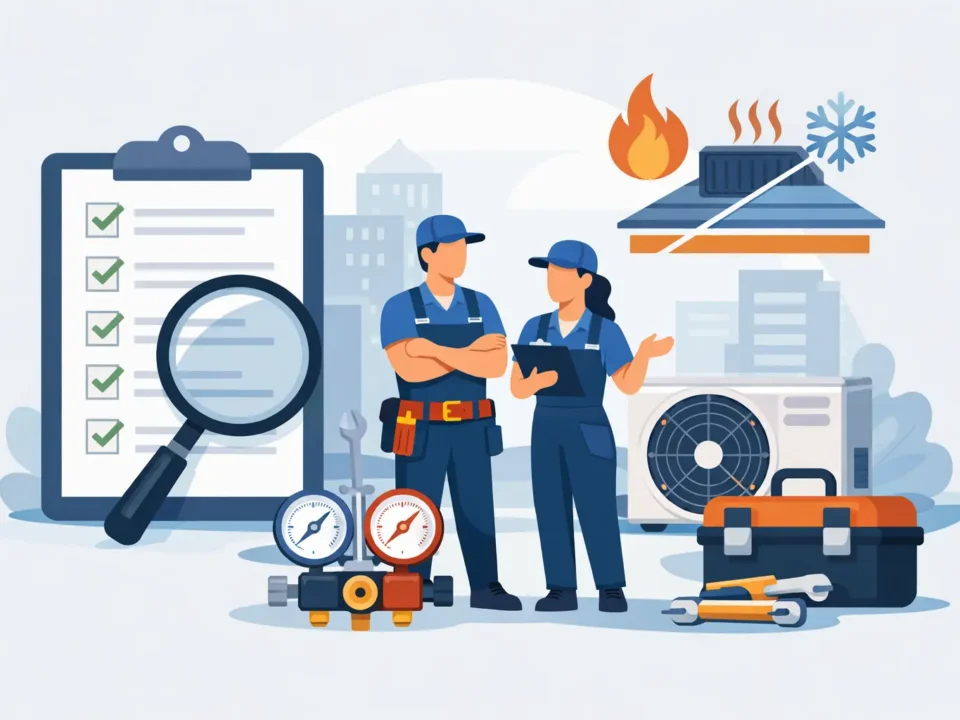
A professional repair visit should begin with testing, not guessing. That means checking electrical components, refrigerant performance where applicable, airflow, controls, safety devices, and visible wear. For furnaces, combustion-related safety checks are critical. For cooling systems, drain lines, coils, and refrigerant-related performance need careful review.
Once the problem is identified, the next step should be clear communication. You should know what failed, whether there are related concerns, what the repair involves, and how urgent the issue is. Some repairs need immediate attention because they affect safety or can damage other components. Others may be worth monitoring if the system is still operating.
Good repair work also includes a discussion of system condition. If the equipment is near the end of its service life, that should be said plainly. Not to pressure you, but to help you avoid throwing money at a system that is unlikely to stay reliable.
What to expect during HVAC installation
Installation day should feel organized, not chaotic. The old equipment is removed, the new system is set and connected, and the technician verifies performance before the job is complete. Depending on the system and the complexity of the property, that may involve new refrigerant lines, drain adjustments, electrical updates, thermostat replacement, duct transitions, or code-related corrections.
The best installations pay attention to the details customers notice later. Is the airflow balanced? Is the thermostat calibrated properly? Is the system draining correctly? Does the equipment start, stop, and cycle the way it should? These are the things that affect comfort after the truck leaves.
For commercial clients, installation planning also needs to account for business operations. Downtime windows, building access, occupant schedules, and coordination with property teams can matter just as much as the equipment itself. A technically sound installation that disrupts the workday unnecessarily is still a problem.
Cost, value, and the trade-off between now and later
Customers often ask whether they should keep repairing an older system or replace it now. The honest answer is that it depends. A modest repair on an otherwise reliable unit can be a good value. Replacing a major component on a system that is already inefficient and breaking down regularly usually is not.
The better question is not just, “What does this cost today?” It is, “What am I likely to spend over the next two to three years, and how much risk am I carrying if I keep this equipment?” That perspective matters for homeowners on a budget and for property managers trying to reduce unexpected service calls.
New equipment can lower operating costs, but energy savings alone do not always justify replacement right away. The full value often comes from a mix of better efficiency, fewer repairs, stronger comfort, quieter operation, and less disruption. If you have a business that cannot afford HVAC downtime, the value of reliability can outweigh the simple math of utility bills.
Signs your system is telling you something
Some HVAC problems are obvious. No cooling, no heat, or a unit that will not start usually gets immediate attention. Other signs are easier to ignore, even though they point to deeper issues.
If some rooms stay uncomfortable while others feel fine, airflow may be off. If your system runs longer than it used to, there may be efficiency loss, a sizing problem, or a failing component. Strange smells, banging, buzzing, or repeated tripped breakers should never be brushed aside. Rising utility bills without a clear reason also deserve a closer look.
For commercial properties, the warning signs often show up as patterns. More hot and cold complaints, more frequent resets, more after-hours calls, or more maintenance spending on the same equipment are all signs that the current approach may no longer be cost-effective.
Maintenance is what makes repair and installation pay off
Even the best repair has limits if the system is neglected afterward. The same is true for a new installation. Dirty filters, blocked drains, failing capacitors, coil buildup, and airflow problems can turn a good system into an unreliable one.
Routine maintenance helps catch those problems before they become emergency calls. It also gives you a better picture of system condition over time, which makes replacement decisions easier and less rushed. For homeowners, that means fewer surprises during extreme weather. For commercial operators, it means better uptime and fewer comfort complaints.
That practical, preventive approach is why many customers work with companies like AAA HVAC for ongoing support, not just one-time calls. Fast response matters, but consistent follow-through is what keeps systems dependable.
The right HVAC decision is not always repair and it is not always replacement. It is the option that gives you reliable comfort, clear value, and the fewest unpleasant surprises when the weather stops being forgiving.