Commercial HVAC Refrigerant Changes: What to Do
July 12, 2026
Furnace Replacement Planning Guide for NoVA Homes
July 14, 2026

A broken air conditioner during a Northern Virginia heat wave or a furnace that quits on a cold night creates pressure to hire the first company that answers the phone. Fast help matters, but so does getting the repair, replacement, or maintenance work done correctly. Knowing how to choose an HVAC contractor before an emergency gives you more control over the cost, timeline, and comfort of your home or business.
The right contractor should make the process clearer, not more confusing. Look for verified credentials, straightforward recommendations, responsive communication, and a commitment to stand behind the work. A low price may be attractive, but it is rarely the only factor that determines long-term value.
How to Choose an HVAC Contractor in Northern Virginia
Start with companies that serve your specific area and type of property. A contractor that regularly works in Reston and across Northern Virginia will understand common local system needs, from high-humidity summer cooling demands to the heating loads homes and commercial spaces face in winter.
Availability matters, especially for no-cooling and no-heat calls. Ask whether the company offers same-day appointments, after-hours support, or 24/7 emergency service. However, speed should not replace accountability. Even when you need a technician quickly, the company should still explain the problem, the proposed repair, and the expected cost before work begins.
For a planned installation or replacement, give yourself more time to compare options. A contractor should be willing to inspect your current equipment, ask about comfort problems, and discuss your budget and goals. Replacing a system based only on the size of the old unit can lead to poor efficiency, uneven temperatures, and unnecessary expense.
Confirm Licensing, Insurance, and Technician Training
Credentials are not paperwork for paperwork’s sake. They protect you when someone is working on equipment that affects your comfort, indoor air quality, electrical system, and property.
Ask whether the contractor holds the appropriate Virginia licensing for the work being performed and carries current liability insurance. For commercial properties, it is also reasonable to ask about workers’ compensation coverage, safety practices, and experience with the equipment at your site. A reputable contractor should be comfortable answering these questions directly.
Then ask about the technicians who will actually arrive at your property. NATE-certified technicians have demonstrated heating and cooling knowledge through industry testing. Certification does not guarantee every repair will be simple, but it is a strong sign that a company invests in technical training and professional standards.
It also helps to know whether the company uses employees, subcontractors, or a mix of both. There is not one right answer in every situation, but you deserve to know who is responsible for the work and who will address any issues after the appointment.
Look Beyond the Lowest Estimate
When comparing estimates, make sure you are comparing the same scope of work. One quote may cover only the immediate failed part, while another may include diagnosis, labor, required materials, permits, startup testing, and warranty coverage. The lower number can become more expensive if essential items are added later.
A useful written estimate should identify the recommended work, equipment or parts involved, labor charges, and any conditions that could change the price. If the technician finds an additional issue once work starts, the company should explain it and get your approval before proceeding whenever possible.
For system replacements, ask for the model information, efficiency rating, warranty details, and installation scope. Higher-efficiency equipment can reduce operating costs, but the best choice depends on your building, how long you plan to own it, utility use, comfort expectations, and budget. The most expensive system is not automatically the best fit.
Be cautious if a contractor pressures you to replace equipment without diagnosing the issue or explaining why repair is not practical. An older system may genuinely be near the end of its useful life, particularly if it has frequent breakdowns, uses outdated refrigerant, or needs a major component. Still, you should receive clear reasoning and repair-versus-replacement options when both are viable.
Pay Attention to the Diagnostic Process
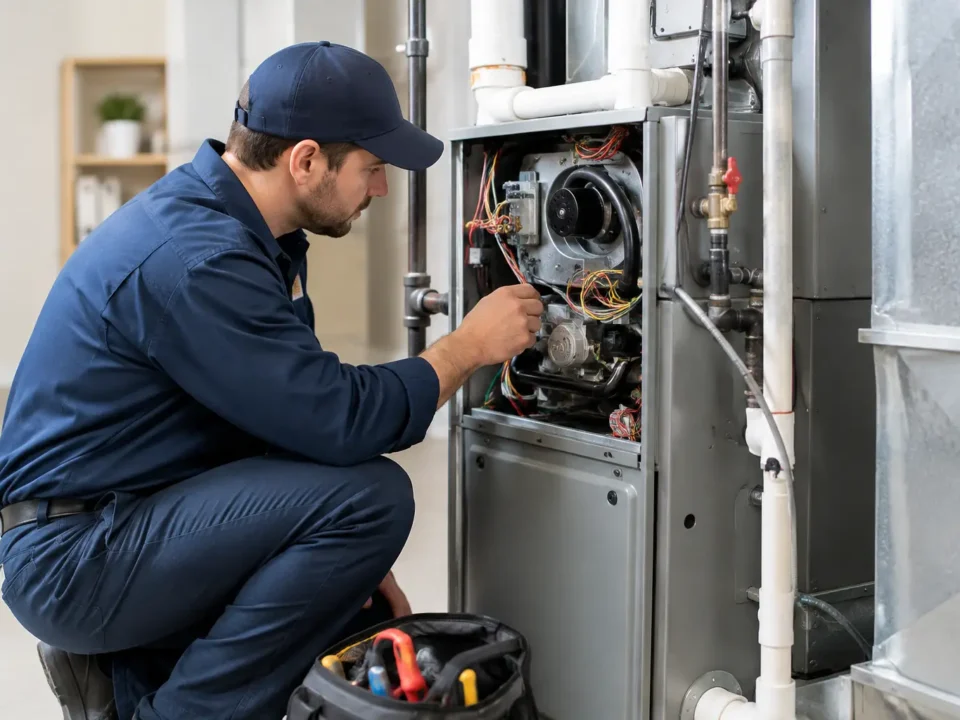
Good HVAC service starts with diagnosis, not guesses. A technician should inspect the relevant components, test system operation, and explain the findings in plain language. For example, an air conditioner that is not cooling could have a thermostat issue, electrical problem, refrigerant concern, airflow restriction, or failed part. Replacing a component without identifying the cause can leave you with the same problem and another service call.
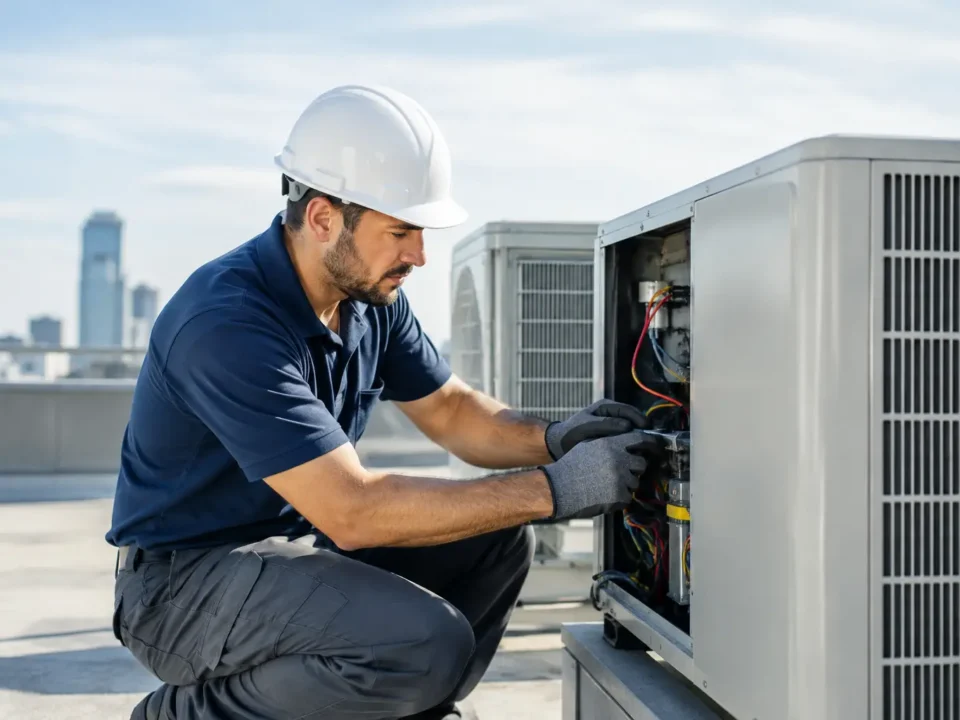
For replacement projects, a thorough contractor considers more than the equipment itself. They may evaluate ductwork, airflow, insulation, thermostat controls, drainage, electrical capacity, and the size of the conditioned space. In commercial settings, they should also consider occupancy, operating hours, ventilation requirements, and the need to avoid business disruption.
You do not need to become an HVAC expert to evaluate the conversation. Ask the technician to explain what was tested, what failed, and what each recommended option will accomplish. Clear answers are a sign of respect for your decision.
Check Reputation and Service Accountability
Online reviews can be useful, but read them with context. Look for patterns in how customers describe punctuality, communication, cleanliness, pricing, and follow-up. A few unhappy reviews are normal for any service business. What matters more is whether the company responds professionally and takes responsibility when a customer has a concern.
Industry recognition, BBB accreditation, and third-party service awards can provide additional confidence, especially when paired with a consistent local service history. You can also ask neighbors, colleagues, property managers, or facility teams which companies they have used and whether the contractor handled problems after the initial visit.
Most importantly, ask what happens if the repair does not solve the issue or if there is a problem with a new installation. A workmanship guarantee and clearly stated repair policy give you a defined path forward. Comfort guarantees are valuable because they show that the contractor is focused on results, not just completing a ticket.
Ask the Questions That Protect Your Budget
Before scheduling a major repair or replacement, ask a few direct questions. The answers should be clear and consistent, not vague or overly technical.
- Is the company properly licensed and insured for this work?
- Will I receive a written estimate before repairs or installation begin?
- What is causing the problem, and what options do I have?
- What parts, labor, and workmanship warranties apply?
- Who should I contact if I have a concern after the job is complete?
For property managers and commercial decision-makers, add questions about response times, maintenance agreements, documentation, and scheduling around tenant or business operations. The best provider for a single home repair may not be the best fit for a multi-site portfolio or a facility that cannot afford downtime.
Consider Maintenance Before You Need Another Repair
A contractor relationship should not begin and end with an emergency. Preventive maintenance helps identify worn components, airflow problems, drainage issues, and safety concerns before they become expensive failures. It can also support more reliable performance during the seasons when your HVAC system works hardest.
Ask what a maintenance visit includes and whether the company provides service records or recommendations after the inspection. For homes, this creates a clearer history of your equipment. For commercial properties, documentation can make budgeting, compliance, and asset planning much easier.
AAA HVAC serves homeowners and businesses throughout Northern Virginia with trained technicians, responsive scheduling, and service backed by a comfort-focused commitment. Whether you need urgent help or are planning ahead, choose a contractor that explains the work, respects your property, and remains available after the service call is over.
Comfort problems rarely happen at a convenient time. Keep the name of a qualified, accountable HVAC contractor available now, so when your system needs attention, you can make a confident call instead of a rushed guess.