Home Cooling Load Calculation Guide for Right Sizing
September 11, 2026
Best AC Units for Allergies: What to Choose
September 13, 2026

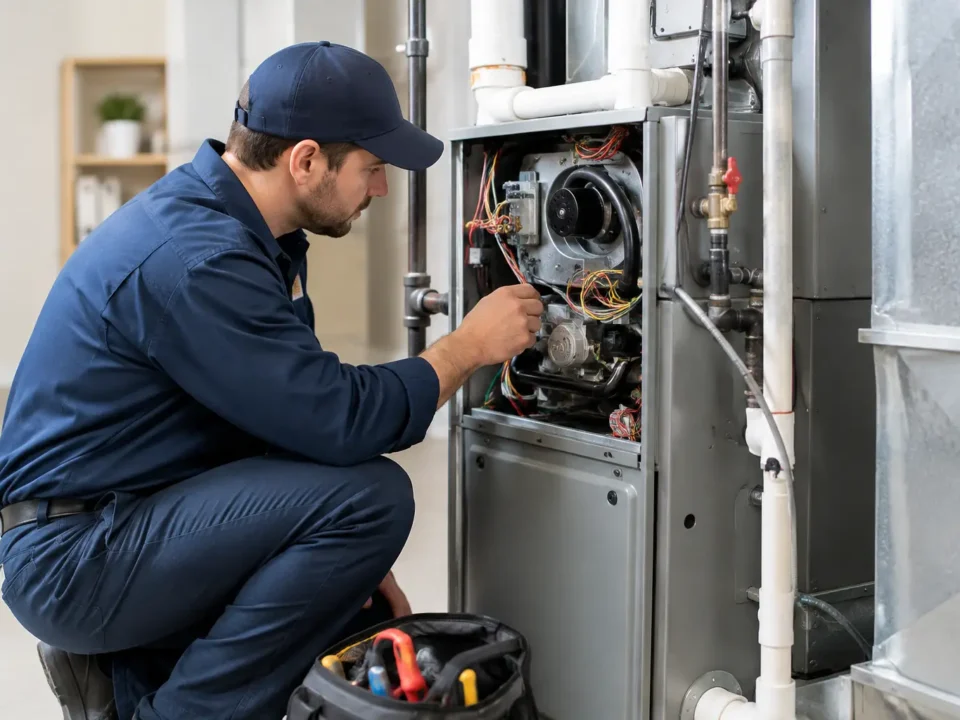
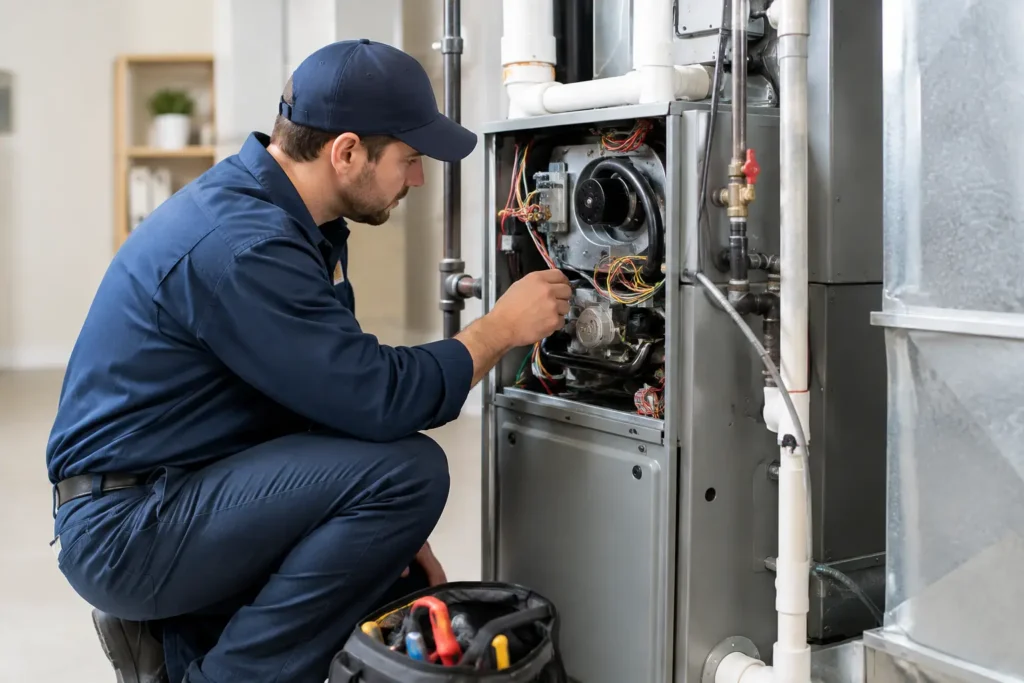
A furnace can produce plenty of heat and still leave rooms feeling cold if the blower cannot move that heat through the home. Furnace blower problems often start with a small change: weaker airflow at the vents, a new rattling sound, or a furnace that shuts off before the house reaches the thermostat setting. Addressing those signs early can prevent a no-heat emergency and protect one of your system’s most hardworking components.
The blower assembly includes a motor, wheel, housing, control components, and in some systems, a capacitor that helps the motor start and run. Because several parts work together, the same symptom can have more than one cause. A quick check of the thermostat and filter is reasonable for a homeowner. Repairs involving wiring, motors, or furnace panels should be handled by a qualified HVAC technician.
Common Signs of Furnace Blower Problems
The most noticeable sign is poor airflow. You may feel a small amount of warm air from some registers but not enough to heat the room, or air may move well in one area and poorly in another. Before assuming the blower has failed, check that supply registers are open and not blocked by furniture or rugs. If airflow remains weak throughout the property, the blower system needs attention.
Unusual sounds also deserve a prompt response. A squeal can point to a worn motor bearing or a failing belt on an older belt-driven system. Scraping, grinding, or metal-on-metal noises may mean the blower wheel is loose, damaged, or rubbing its housing. Rattling can be as simple as a loose panel, but it can also indicate a part that has worked free inside the unit.
Other warning signs include a furnace that runs but does not deliver air, frequent short cycling, a burning or electrical odor, and higher-than-normal utility bills. If you smell burning plastic, see smoke, hear loud grinding, or the furnace repeatedly trips a breaker, turn the system off and arrange professional service. Continuing to run it can cause further damage.
Why Furnace Blowers Stop Working Properly
A clogged air filter restricts airflow
A severely loaded filter is one of the most common causes of furnace strain. The blower must work harder to pull air through the system, which can reduce comfort, increase energy use, and contribute to overheating. In some cases, overheating triggers a safety limit switch that shuts down the burners while the blower continues running.
Check the filter on the schedule recommended for its type and your household conditions. Homes with pets, ongoing renovations, or heavy daily HVAC use may need more frequent changes. Use the correct filter size and airflow rating for your equipment. A filter that is too restrictive can create its own airflow problem.
The blower motor is worn or overheated
The motor powers the fan that circulates air through the furnace. Motors can fail due to age, overheating, worn bearings, electrical issues, or normal wear after years of seasonal use. A motor nearing failure may hum but not start, start slowly, run intermittently, or make a loud squealing or grinding sound.
Some furnaces use variable-speed blower motors. These can provide quieter operation and better comfort, but their controls are more complex than those in a basic single-speed system. Diagnosis matters because replacing a motor without identifying the underlying control issue can lead to another service call.
A failed capacitor or control component prevents startup
Many blower motors rely on a capacitor to provide the extra electrical boost needed to start or operate correctly. When a capacitor weakens, the blower may struggle to start, make a humming sound, or stop unexpectedly. Relays, circuit boards, and wiring connections can create similar symptoms.
These components should not be treated as a do-it-yourself repair. Furnaces contain live electrical connections, and capacitors can retain a dangerous charge even after power is turned off. A technician can test the motor and controls to identify the actual failed part instead of guessing.
The blower wheel is dirty, loose, or damaged
The blower wheel resembles a large cylindrical fan with many small fins. Dust buildup can reduce its ability to move air and may throw the wheel out of balance. A loose wheel can create a vibration or rattling noise, while a damaged wheel may scrape the housing or produce very weak airflow.
This issue is more likely to develop when filter changes have been delayed, but age and normal vibration can also loosen hardware. Cleaning and securing the wheel requires access to internal furnace components, so it is best included in professional furnace maintenance or repair.
An older belt is slipping or broken
Most modern residential furnaces use direct-drive motors and do not have belts. However, some older furnaces and certain commercial systems use a belt to connect the motor to the blower wheel. A worn belt can squeal, slip, or eventually break, leaving the motor running without moving air.
A replacement belt is not always a complicated repair, but the correct size, tension, and alignment matter. A belt that is too tight can wear bearings prematurely, while one that is too loose will slip and reduce airflow.
What You Can Safely Check Before Calling
Start with the thermostat. Confirm it is set to Heat and set several degrees above the current room temperature. If the thermostat has a fan setting, use Auto for normal operation. The On setting makes the blower run continuously, even when the furnace is not actively heating, which can make troubleshooting more confusing.
Next, inspect the air filter and replace it if it is visibly dirty or overdue. Make sure the furnace power switch has not been turned off and check the appropriate breaker if the system has no response at all. Then listen for the sequence of operation. Does the furnace start, heat briefly, and shut down? Does it hum without pushing air? Does it make a sharp or grinding sound?
Avoid repeatedly resetting breakers, opening sealed equipment areas, or bypassing safety switches. Those actions can damage the furnace or create a safety risk. If your furnace uses natural gas and you smell gas, leave the area, avoid operating switches or devices, and contact your gas utility or emergency services from a safe location.
When a Blower Repair Makes Sense
The right repair depends on the age and overall condition of the furnace. A failed capacitor, loose wheel, worn belt, or isolated control issue can often be repaired cost-effectively, particularly when the furnace has otherwise been reliable. A technician should verify airflow, temperature rise, motor performance, and safety controls after the repair so the problem does not return under heavy winter demand.
Motor replacement can be a sensible option for a well-maintained furnace with years of expected service life. On the other hand, if an older furnace has a failed motor along with repeated breakdowns, poor efficiency, or major heat exchanger concerns, replacement may offer better long-term value. The decision is not simply about the price of one part. It is about the condition of the full heating system, expected repair needs, and the comfort requirements of the home or building.
Preventing Future Furnace Blower Issues
Regular maintenance gives a technician the chance to identify loose parts, motor wear, electrical concerns, and airflow restrictions before they become a midwinter failure. It also helps keep the system operating within the manufacturer’s specifications. For property managers and commercial facilities, preventive service is especially valuable because an unexpected heating interruption can affect tenants, staff, and business operations.
Between appointments, stay consistent with filter changes, keep furnace access clear, and pay attention to changes in airflow or sound. Do not wait for a minor squeal to become a stopped blower on the coldest night of the year.
If your furnace is producing heat but not delivering comfort, AAA HVAC can diagnose the source of the problem and explain the repair options clearly. Prompt, qualified service can restore dependable airflow before a small blower issue becomes a full heating outage.