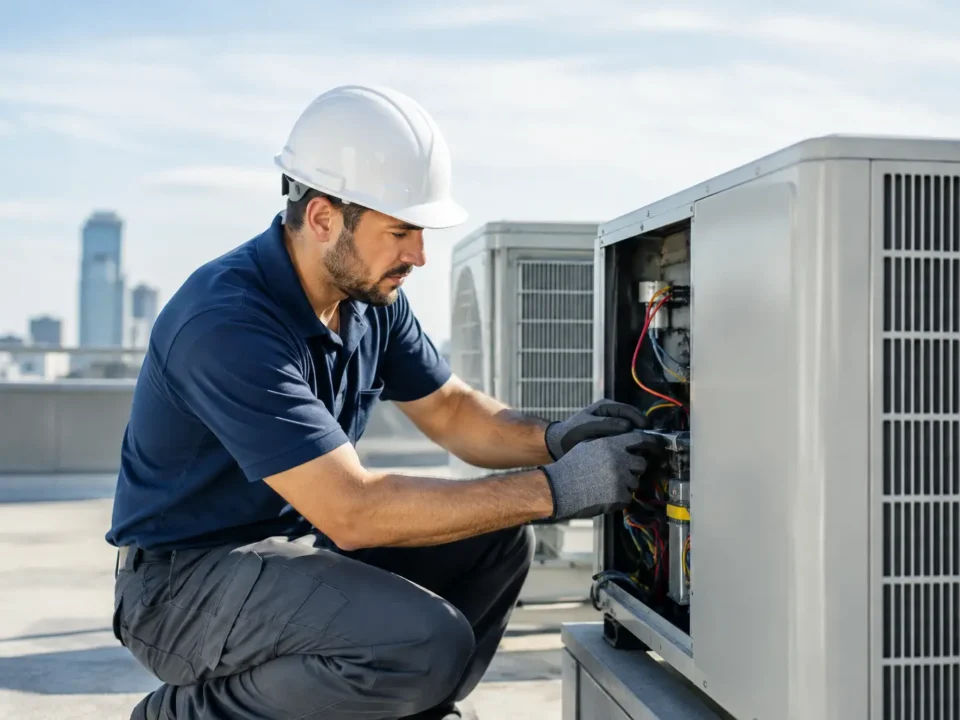
Top Signs AC Capacitor Fails and What to Do
September 20, 2026
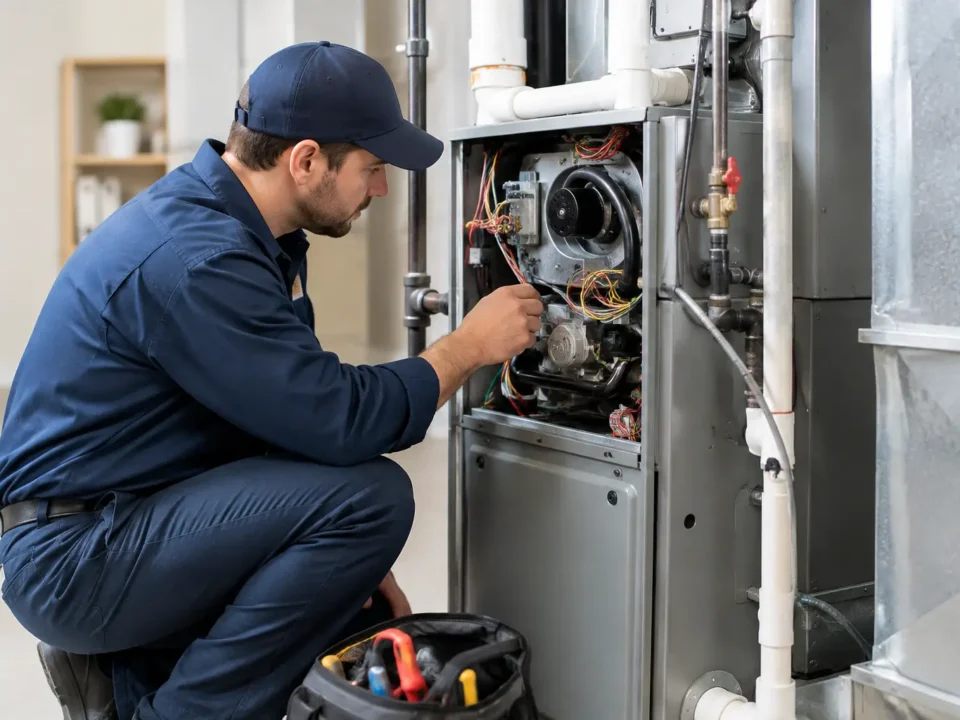
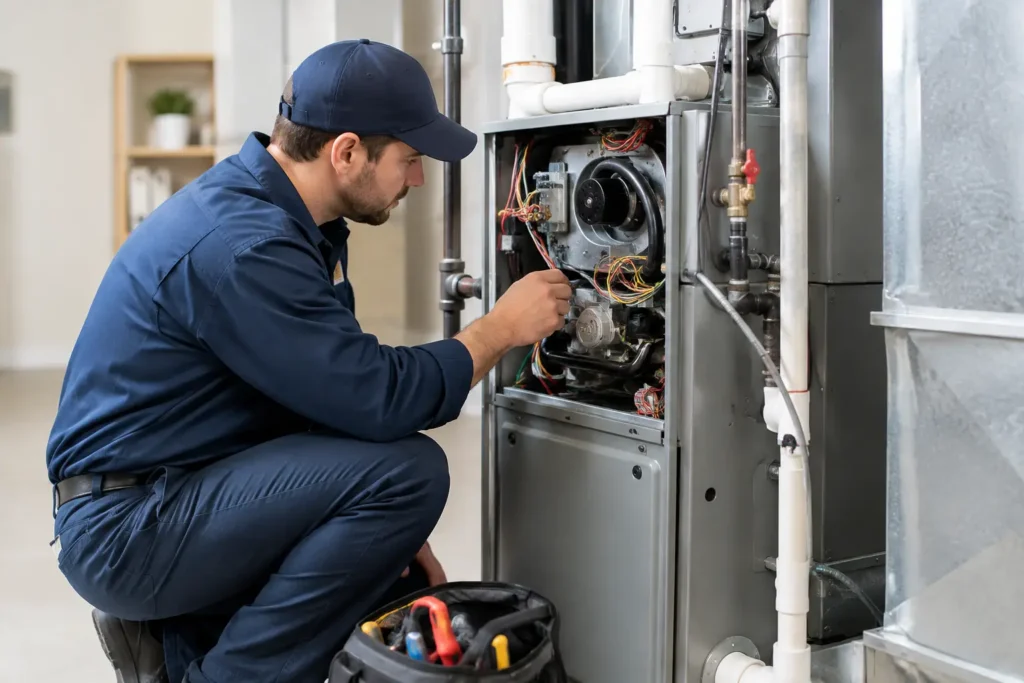
How to Troubleshoot Furnace Ignition Failure
September 22, 2026

A Northern Virginia home may need air conditioning in the afternoon and reliable heat by nightfall during spring and fall. Heat pumps handle both jobs with one system, which is why more homeowners and property managers are considering them when an aging furnace or air conditioner needs replacement. The right system can lower energy use and provide dependable year-round comfort, but the best choice depends on the building, existing equipment, and how the system is designed.
How Heat Pumps Work in Real Conditions
Unlike a furnace, a heat pump does not create heat by burning fuel. It moves heat. During cooling season, it pulls heat out of your home and releases it outdoors, much like a central air conditioner. During heating season, the process reverses: it collects available heat from outdoor air and transfers it inside.
That may sound surprising when temperatures drop. Even cold outdoor air contains thermal energy, and modern cold-climate equipment is built to capture it efficiently at lower temperatures than older models could handle. This makes a heat pump a practical option for much of Northern Virginia’s climate, where winters are often moderate but can still include freezing nights and occasional cold snaps.
Efficiency is commonly measured by SEER2 for cooling and HSPF2 for heating. Higher ratings generally indicate lower operating costs, but a higher number alone does not guarantee better comfort. Equipment needs to be correctly sized, installed well, and matched to the home’s layout. A premium system installed without proper airflow or refrigerant setup can perform worse than a properly installed mid-range option.
When Heat Pumps Make Sense
A heat pump can be especially appealing if your home currently has an older air conditioner and furnace approaching the end of their service life. Replacing two aging systems with a properly planned heat pump setup may simplify equipment needs while providing efficient heating and cooling.
They are also worth considering for homes that rely on electric resistance heat, such as baseboard units. Resistance heat turns electricity directly into heat. A heat pump moves heat instead, so it can deliver several units of heat for each unit of electricity it uses under the right conditions. That difference can be meaningful on winter utility bills.
For homes with natural gas furnaces, the decision is more individualized. Gas prices, electricity rates, insulation levels, thermostat settings, and the age and efficiency of the existing furnace all affect the financial picture. Some homeowners choose a dual-fuel setup, pairing a heat pump with a gas furnace. The heat pump handles milder weather efficiently, while the furnace takes over during very cold conditions or when fuel costs make it the better option.
Commercial properties can benefit as well, particularly offices, retail spaces, and smaller buildings that need flexible heating and cooling across different zones. The key is a professional load calculation and equipment design. A system selected only by square footage can leave some rooms uncomfortable and create unnecessary wear on the equipment.
The Comfort Question: Size and Installation Matter
Many replacement problems begin before the new unit is installed. It is tempting to assume that a larger system will cool or heat better. In practice, oversized equipment can cycle on and off too quickly. That leads to uneven temperatures, reduced humidity control in summer, and added strain on components.
An undersized system has the opposite problem. It may run for long periods without reaching the desired temperature during extreme weather. Longer run times are not always bad – many variable-speed heat pumps are designed to run steadily at lower output – but the system still needs enough capacity for the building’s actual heating and cooling demand.
A qualified technician should consider insulation, window exposure, ceiling height, air leakage, occupancy, and the condition of the existing duct system before recommending equipment. This is particularly relevant in older Northern Virginia homes, where additions, finished basements, and renovated rooms may have changed the home’s original comfort needs.
For homes without existing ducts, ductless mini-split heat pumps can be a strong alternative. They use an outdoor unit connected to one or more indoor air handlers, allowing separate temperature control in specific rooms or zones. They can work well for additions, converted garages, upper floors that stay too warm, or spaces where extending ducts would be disruptive. Their appearance and placement should be considered carefully, and every indoor unit still requires regular filter care.
What Affects the Cost of a Heat Pump
Heat pump pricing is not one fixed number because the project scope varies widely. System capacity, efficiency rating, equipment type, indoor and outdoor unit compatibility, installation complexity, and any needed upgrades all influence the final investment.
A basic replacement using existing compatible infrastructure is different from a project that requires new refrigerant lines, zoning changes, structural modifications, or electrical capacity upgrades. Incentives and financing options may also change the upfront calculation. The practical goal is not simply to find the lowest initial price. It is to understand what the quote includes, what comfort issue the equipment is meant to solve, and how the system is expected to perform over time.
Ask for a clear explanation of the recommended system size, efficiency rating, warranty coverage, and any work required to support the installation. A trustworthy proposal should make it easier to compare options without guessing what has been left out.
Maintenance Protects Efficiency and Reliability
Heat pumps work through every season, so preventive maintenance is not optional if you want consistent performance. Homeowners can help by replacing or cleaning filters on schedule, keeping outdoor equipment clear of leaves and snow, and making sure supply and return vents are not blocked by furniture or storage.
Professional maintenance goes further. A technician can inspect electrical connections, verify refrigerant performance, check drains, test safety controls, assess airflow, and look for worn parts before they cause a breakdown. For a business, scheduled maintenance helps reduce the risk of an uncomfortable workspace or unexpected interruption during peak heating or cooling weather.
Call for service if you notice weak airflow, new rattling or grinding sounds, ice buildup, persistent short cycling, water around indoor equipment, or rooms that no longer hold a steady temperature. Rising utility bills without a clear weather-related reason can also signal a system that needs attention.
Repair or Replace?
A repair may be the sensible answer when the system is relatively new, the issue is isolated, and performance has otherwise been reliable. Replacing equipment becomes more reasonable when repairs are frequent, major components fail, comfort remains uneven, or the system is nearing the end of its expected service life.
Age alone should not make the decision for you. A well-maintained system can sometimes justify repair, while a newer but poorly matched system may continue causing expensive comfort problems. Reviewing repair history, projected costs, efficiency, and warranty status gives a clearer picture than reacting to one breakdown.
Heat pumps are not a one-size-fits-all answer, but they are a serious option for homes and commercial spaces that need efficient, all-season comfort. When you are ready to evaluate your equipment, AAA HVAC can help you understand the choices, get clear answers, and make a decision that supports reliable comfort when the weather changes again.