Furnace Replacement Planning Guide for NoVA Homes
July 14, 2026
Air Conditioner Replacement Example for Homeowners
July 16, 2026
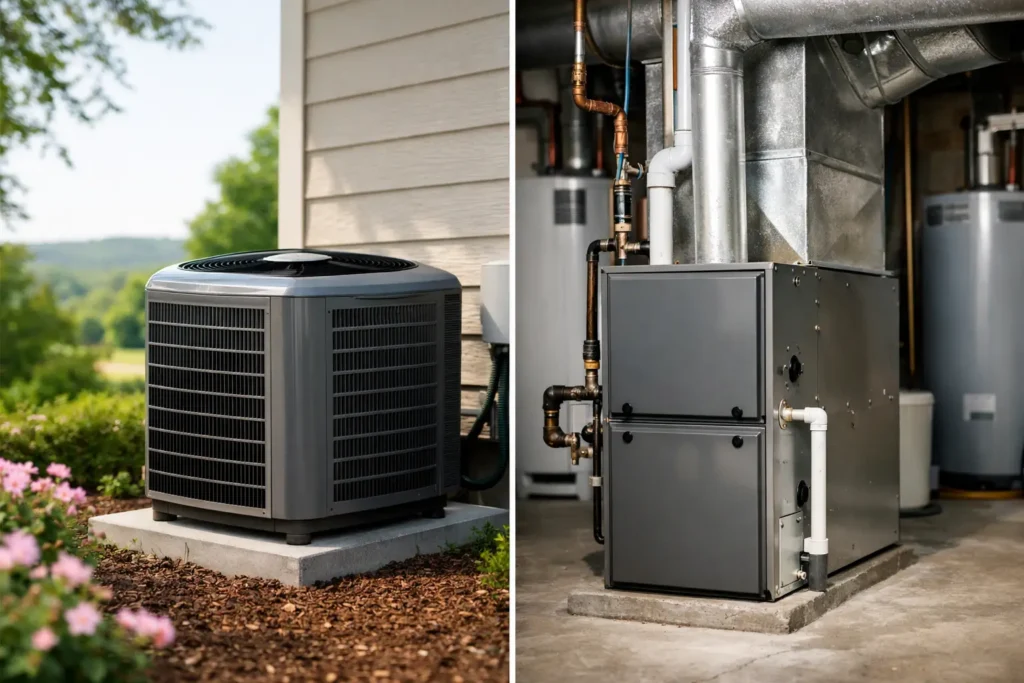
A heating replacement is rarely planned around a convenient calendar date. It usually starts when a furnace becomes unreliable, energy bills climb, or certain rooms never feel comfortable. When comparing a heat pump versus furnace, Northern Virginia homeowners and property managers need more than a simple efficiency rating. They need a system that can handle humid summers, variable winters, building demands, and the budget in front of them.
The right choice depends on your existing equipment, fuel availability, insulation, electrical capacity, comfort expectations, and how long you expect to own the property. Both systems can provide dependable heat when correctly sized and professionally installed. Their differences matter most in operating costs, cold-weather performance, and whether you also need air conditioning.
Heat Pump Versus Furnace: The Core Difference
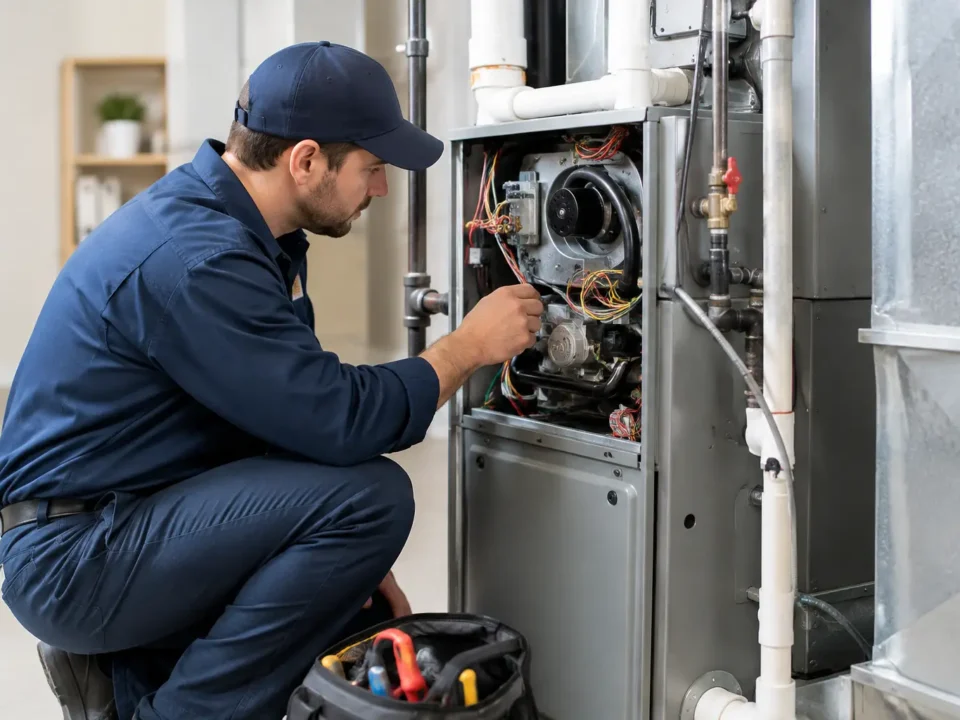
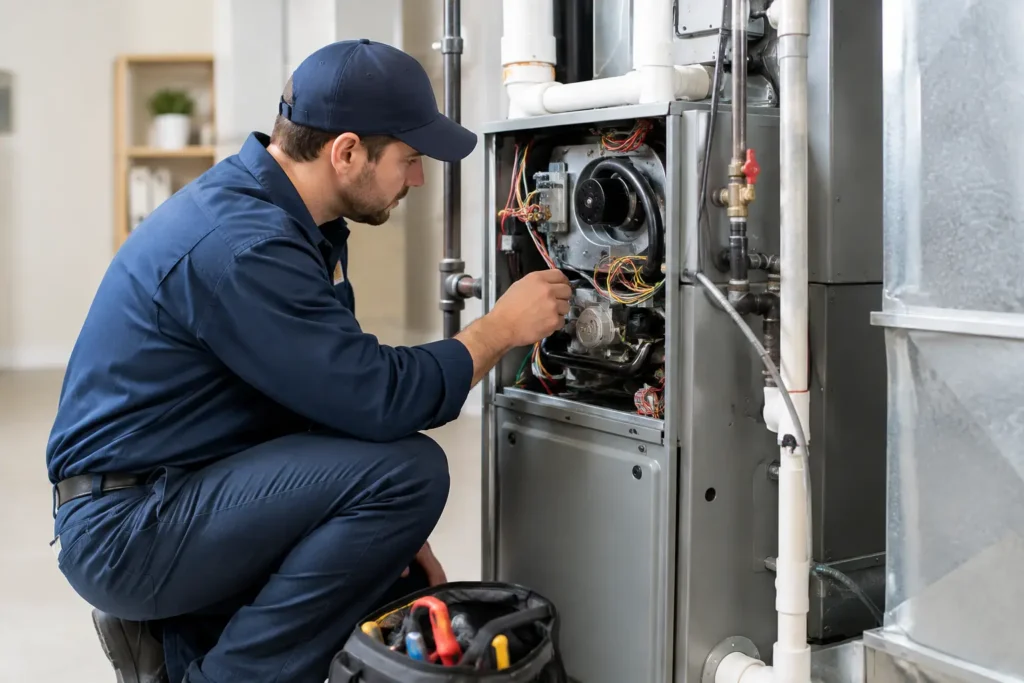
A furnace creates heat by burning natural gas, propane, or oil, or by using electric resistance heat. In Northern Virginia, natural gas furnaces are common because they deliver strong, fast heat during cold weather. A furnace works with an indoor blower and ductwork to distribute warmed air throughout the building.
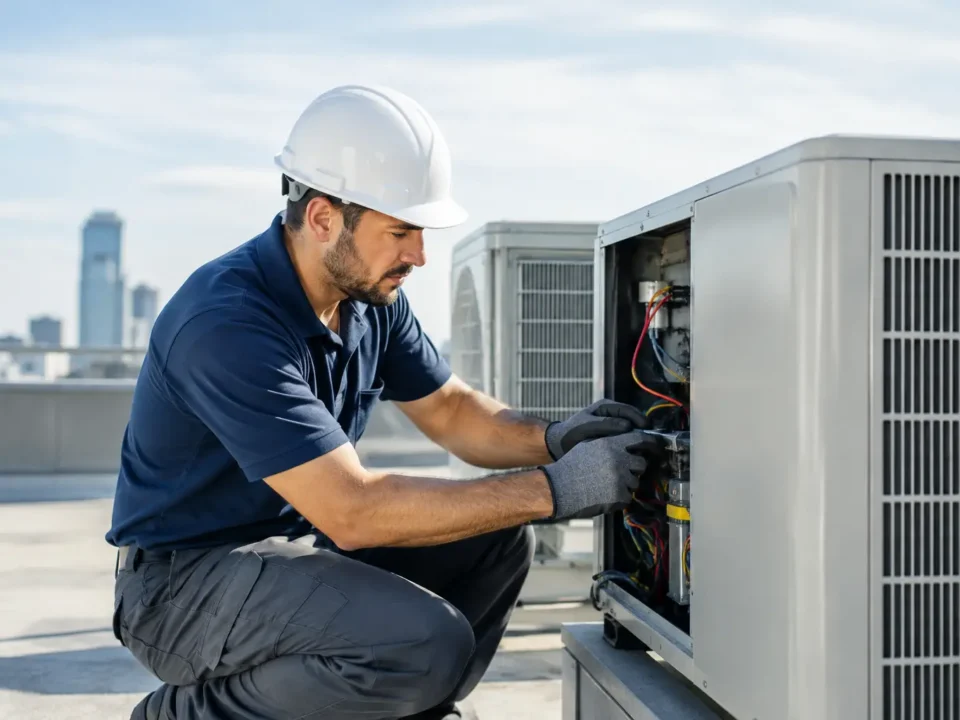
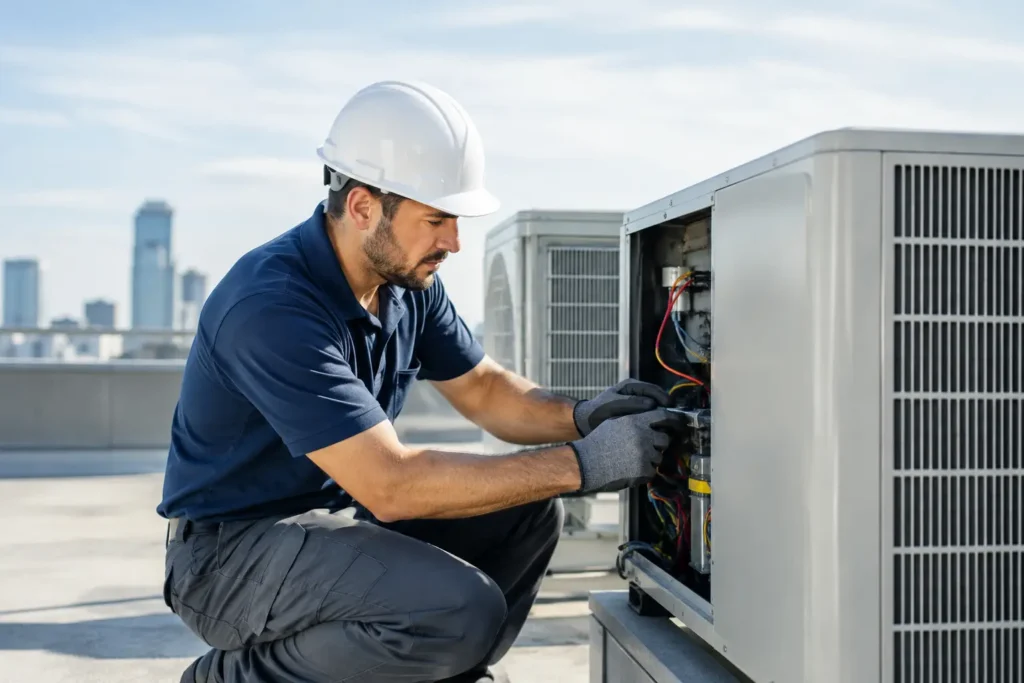
A heat pump does not generate heat in the same way. It moves heat from one place to another. During winter, it pulls available heat from outdoor air and transfers it indoors. In summer, the process reverses, allowing the system to cool and dehumidify your home much like a central air conditioner.
That two-in-one capability is a major reason heat pumps are increasingly popular. If you currently have both an aging air conditioner and furnace, replacing them with a heat pump may simplify your equipment setup. But a heat pump is not automatically the best choice for every home or commercial property.
How Each System Performs in Northern Virginia Weather
Northern Virginia experiences hot, humid summers and winters that can range from mild to sharply cold. A system needs to perform across that full range, not just on an average day.
Heat pumps provide efficient heating in moderate weather
Modern cold-climate heat pumps can operate effectively at temperatures well below freezing. During much of a typical Northern Virginia winter, they can provide efficient, even heat while using less energy than electric resistance heating. They are also excellent air-conditioning systems, which makes them practical for year-round comfort.
However, as outdoor temperatures fall, a heat pump has less heat available to move indoors. Its output and efficiency can decline during prolonged cold snaps. Many heat pump systems use auxiliary electric heat to maintain indoor temperature when needed. That backup heat protects comfort, but it can increase electric costs if it runs often.
Furnaces deliver high heat output in deep cold
A gas furnace is built for strong, reliable heating when outdoor temperatures drop. It can bring a cold house up to temperature quickly and does not lose heating capacity in the same way an air-source heat pump does during freezing weather.
For homeowners who prefer warmer supply air from their vents, a furnace may feel more satisfying. Heat pumps typically deliver air that is warm but cooler than furnace air, so the system may run longer to maintain a steady indoor temperature. This is normal operation, not necessarily a performance problem.
A furnace does require a separate air conditioner for summer cooling. If the AC system is also near the end of its service life, the full replacement cost should be part of the decision.
Upfront Cost and Long-Term Operating Cost
Equipment price matters, but the lowest installation estimate does not always produce the lowest cost of ownership. Compare the total project scope, including equipment, ductwork modifications, electrical work, thermostat controls, permits, and any needed gas-line or venting updates.
A new furnace often has a lower upfront cost than a heat pump when the home already has a functioning central air conditioner and gas service. Replacing only the failed heating component can be a sensible short-term decision.
A heat pump may have a higher installation cost, particularly if electrical upgrades are required. Yet it can reduce operating costs by providing highly efficient heating during milder weather and replacing an older, inefficient air conditioner. Available utility programs and tax incentives may also affect the final cost, although eligibility and amounts can change.
Energy costs are local and personal. A home with access to relatively affordable natural gas may favor a high-efficiency furnace. A home using propane, oil, or expensive electric resistance heat may see a stronger case for a heat pump. Your utility history gives a far better answer than a generic online estimate.
Efficiency Ratings That Actually Matter
For furnaces, the key rating is AFUE, or Annual Fuel Utilization Efficiency. A 95% AFUE furnace converts about 95% of its fuel into usable heat over a heating season, with the remainder lost through exhaust and normal operation. High-efficiency gas furnaces commonly fall in the mid-90% range.
Heat pumps use ratings that account for heating and cooling efficiency. Heating performance is commonly measured by HSPF2, while cooling efficiency is measured by SEER2. Higher ratings generally mean lower energy use, but the highest-rated equipment is not always the best value for every building.
Proper sizing and installation can matter as much as the label on the cabinet. An oversized system may cycle too frequently, causing uneven temperatures, unnecessary wear, and poor humidity control. An undersized system can struggle during peak weather. A qualified technician should evaluate the building, ductwork, insulation, windows, occupancy, and existing system performance before recommending equipment.
Comfort, Maintenance, and Reliability
Both options require preventive maintenance. A furnace should be inspected before heating season to check combustion safety, heat exchanger condition, airflow, ignition components, filters, and venting. A heat pump needs seasonal attention because it works year-round. Its indoor and outdoor coils, refrigerant operation, electrical connections, condensate drainage, and defrost controls all need professional review.
For commercial properties, maintenance planning is especially important. A heating failure can affect employees, tenants, customers, inventory, and business hours. Building managers should consider service access, equipment redundancy, occupancy schedules, and whether the existing electrical and duct systems can support a new heat-pump installation.
Reliability also depends on having the right backup plan. Some homes use a dual-fuel system, which pairs a heat pump with a gas furnace. The heat pump handles efficient heating through moderate temperatures, while the furnace takes over when outdoor conditions make gas heat the better choice. This approach can offer excellent comfort, but it has a higher initial investment and more components to maintain.
When a Heat Pump Is Usually the Better Fit
A heat pump deserves serious consideration if your air conditioner and heating equipment are both aging, you want one system for heating and cooling, or your current home relies on electric resistance heat, propane, or oil. It can also be a strong option for homeowners who want lower energy use during much of the year and are comfortable with supplemental heat during the coldest periods.
Heat pumps work particularly well in well-insulated homes with properly designed ductwork. They can maintain very steady temperatures and provide effective summer dehumidification when selected and installed correctly.
When a Furnace Is Usually the Better Fit
A furnace can be the practical choice when you already have dependable central air conditioning, natural gas is available, and your immediate need is to replace a failed heating system. It is also worth considering for properties that experience comfort complaints during cold weather, have leaky ductwork, or need a fast, high-output heating response.
For some households, the decision is simple: they value the feel of gas heat, want predictable cold-weather output, and do not want to make major electrical changes. A high-efficiency furnace can serve those needs well.
Make the Decision With a Home-Specific Assessment
The best heat pump versus furnace decision begins with an honest evaluation, not a one-size-fits-all sales pitch. Ask for load calculations, equipment options at more than one price point, expected electrical or gas work, warranty details, and a clear explanation of how the system will perform on the coldest days.
At AAA HVAC, NATE-certified technicians can assess your current system and explain the practical trade-offs for your Reston-area home or property. A clear recommendation should protect your comfort, your budget, and your confidence in the work.
Before your next heating season, schedule an evaluation while you still have time to compare options rather than making a rushed decision after a breakdown. The right system is the one that keeps your space comfortable when you need it most and gives you a service plan you can rely on.