Best Frozen Pipe Prevention Methods for Winter
September 30, 2026
Common AC Drainage Issues and Reliable Fixes
October 2, 2026

A cooling failure during a Northern Virginia heat wave or a furnace problem on the first cold night rarely comes without warning. Dirty components, worn electrical connections, weak airflow, and refrigerant concerns often develop gradually. HVAC maintenance scheduling gives homeowners, property managers, and business operators a practical way to catch those issues before comfort, uptime, and repair budgets are on the line.
The goal is not to schedule service for the sake of checking a box. A good maintenance plan is timed around how your equipment works, how hard it runs, and what a surprise breakdown would cost your household or business.
Why HVAC Maintenance Scheduling Matters
Heating and cooling equipment works under demanding conditions. Air conditioners run for long stretches through humid summer weather, while furnaces carry the load during winter cold snaps. Over time, normal operation creates wear: filters fill up, moving parts need inspection, drains can clog, and small electrical or control issues can become larger failures.
Scheduled maintenance gives a qualified technician time to evaluate the system while it is still operating. That is usually a better and less stressful situation than diagnosing equipment after it has stopped working. For homeowners, that can mean fewer emergency calls and more consistent temperatures. For commercial properties, it can mean less disruption for tenants, employees, customers, and operations.
Maintenance also helps protect efficiency. A system that has to work harder to move air or manage heat may consume more energy without delivering better comfort. While no service visit can make old equipment new again, routine attention can help a properly sized, serviceable system perform closer to its intended standard.
The Best Times to Schedule HVAC Maintenance
For most homes and many small commercial properties, twice-yearly maintenance is the sensible starting point: once before the cooling season and once before the heating season. Spring appointments prepare the air conditioner for summer demand. Fall appointments prepare the furnace before colder weather arrives.
That timing matters because it creates room to address concerns before the busiest service periods. If a technician finds a weak capacitor, a drainage issue, a worn belt, or a developing ignition problem, you have time to consider the repair instead of making a rushed decision during an outage.
Spring: Prepare the Air Conditioner
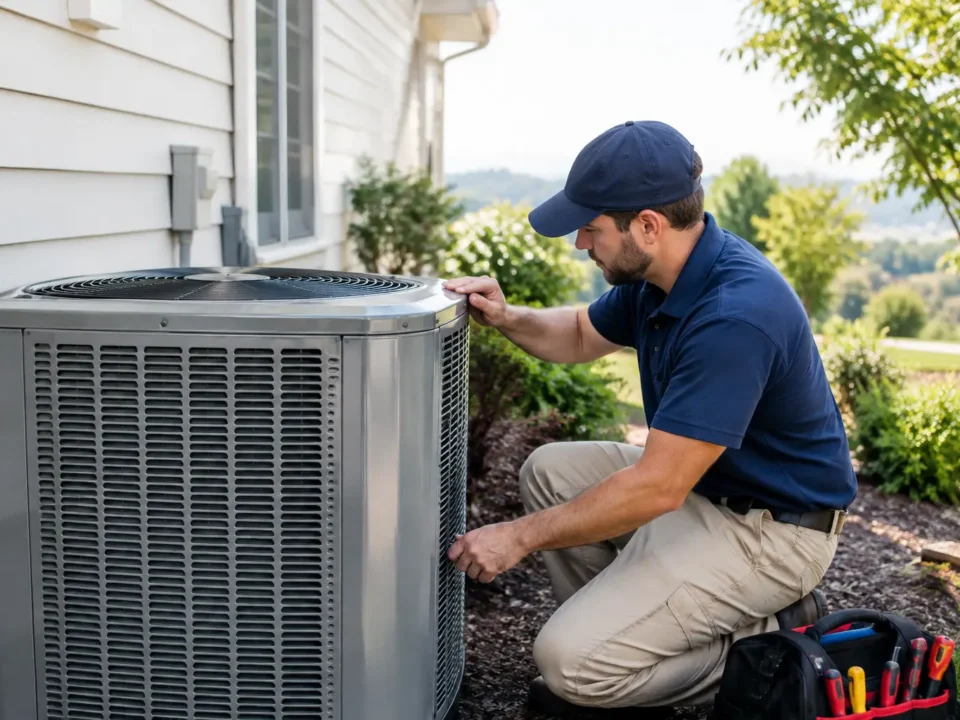
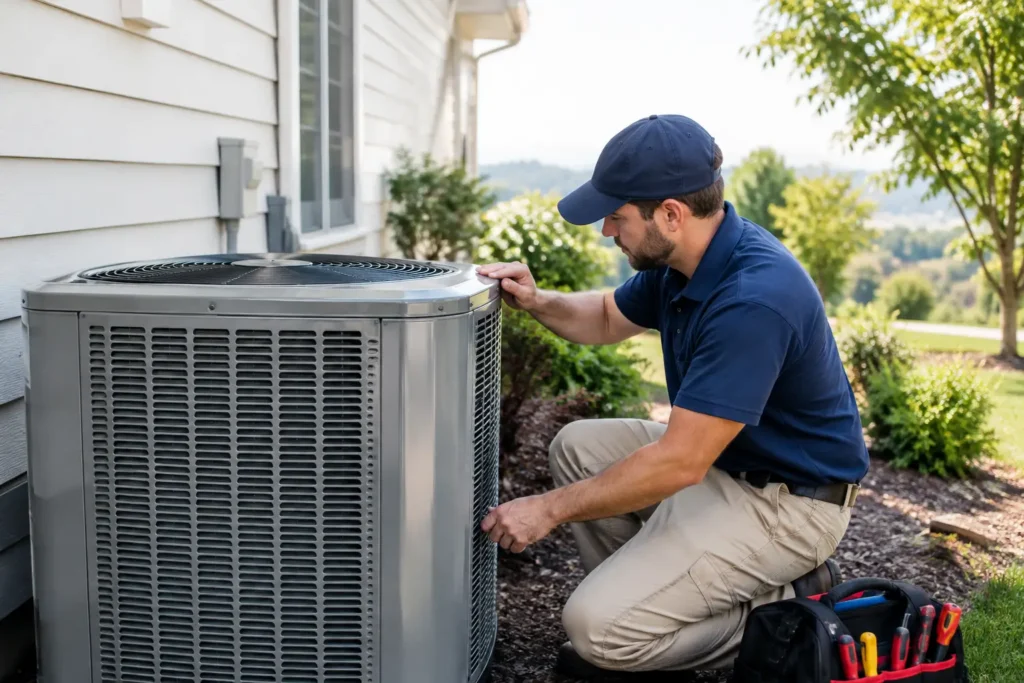
Schedule air conditioning maintenance in early to mid-spring, ideally before daily temperatures begin to push the system into regular use. A technician can inspect key components, verify safe operation, check cooling performance, and identify issues that may affect reliability during the hottest part of the year.
Do not wait for the first 90-degree day if you can avoid it. By then, schedules tend to fill quickly, and a system that has been sitting unused may reveal a problem at exactly the wrong time.
Fall: Prepare the Furnace
Furnace maintenance is best handled in early fall, before overnight temperatures make dependable heat essential. This visit focuses on the heating side of the system, including safety checks and performance concerns that should be addressed before the furnace is running every day.
For homes with gas heating, this is particularly valuable. Any concern involving unusual odors, repeated cycling, delayed ignition, or a carbon monoxide alarm deserves prompt professional attention. Do not wait for a scheduled visit if you believe there may be a safety issue.
How Often Does Your System Need Service?
Twice a year works well for many properties, but HVAC maintenance scheduling is not one-size-fits-all. The right frequency depends on the equipment, usage, building conditions, and the consequences of downtime.
A newer residential system with moderate use may be well served by seasonal visits. An older system, a large household, or a home with pets may need closer attention because filters and components can face more strain. Heat pumps deserve seasonal care too, since they provide both heating and cooling and often run for much of the year.
Commercial systems may need more frequent service. Restaurants, offices with long operating hours, retail spaces, server rooms, and multi-tenant properties can place a heavier demand on equipment. A property manager may also choose more frequent inspections when even a short interruption could create customer complaints, lost productivity, or uncomfortable tenants.
Equipment warranties can be another reason to stay consistent. Review the manufacturer requirements for your system and keep records of completed maintenance and repairs. Documentation can be useful if a covered component fails later.
What a Professional Maintenance Visit Should Accomplish
A meaningful maintenance appointment should go beyond replacing a filter and saying the unit is running. The exact work varies by system type and condition, but the visit should include a careful operational inspection and clear communication about what was found.
A technician may evaluate airflow, thermostat operation, electrical connections, system cycling, accessible condensate drainage components, and the condition of major heating or cooling parts. For air conditioning, performance testing can help identify concerns affecting cooling output. For furnaces, the technician should assess safe heating operation and look for components that may be nearing failure.
Just as important, you should receive straightforward guidance. Some findings require immediate repair. Others may be worth monitoring or planning for before the next season. A trustworthy recommendation separates urgent safety or reliability issues from optional improvements, so you can make an informed decision.
Build a Schedule You Will Actually Keep
The best schedule is one that does not depend on remembering it during a busy week. Pick recurring windows – spring for cooling and fall for heating – then put reminders on your calendar. Property managers should also maintain a service log for each unit, including the equipment model, installation date, reported issues, repairs, and completed maintenance dates.
For homeowners, a simple approach is to schedule the next seasonal appointment as soon as the current visit is complete. This reduces the chance that maintenance gets pushed aside until the system starts making noise or fails to keep up.
Between professional visits, handle the basics your equipment needs. Check filters regularly and replace them based on the filter type, household conditions, and manufacturer guidance. Keep the area around indoor and outdoor equipment clear, and pay attention to changes such as weak airflow, new noises, uneven temperatures, short cycling, or unexpectedly high utility bills.
These signs do not automatically mean the system is failing, but they are useful reasons to call before a minor concern becomes a no-cooling or no-heat situation.
Avoid Scheduling Based Only on a Problem
Waiting until equipment fails is understandable, especially when a system seemed fine yesterday. But reactive service leaves fewer choices. You may need a same-day repair, a replacement part may not be immediately available, or an aging unit may reveal that replacement is the more sensible long-term decision.
Preventive scheduling does not eliminate every emergency. Parts can fail unexpectedly, and severe weather puts extra stress on any system. What it does provide is a clearer picture of system condition before you are under pressure. That helps you budget for repairs, plan eventual replacement, and reduce the risk of a breakdown during peak demand.
For commercial decision-makers, planned maintenance also supports better budgeting. Rather than treating HVAC costs as a series of surprises, you can track equipment age, repair history, and known concerns across the property. That information makes capital planning more realistic.
When to Call Before Your Next Appointment
Do not wait for your next maintenance visit if your system is not producing enough heating or cooling, repeatedly turns on and off, makes grinding or banging sounds, leaks around the equipment, or causes a sudden jump in energy use. A burning smell, gas odor, or carbon monoxide alarm should be treated as an urgent concern.
Fast action can sometimes prevent additional damage. It also gives a technician a better chance to diagnose the issue before a struggling component affects other parts of the system.
AAA HVAC can help Northern Virginia homeowners and businesses set a dependable seasonal schedule, address concerns found during service, and respond when comfort cannot wait. A maintenance appointment is a small block of time that can protect a much larger investment – and help make the next hot afternoon or cold morning feel like any other day.