AC System Financing for a Smart Replacement
October 12, 2026
Reston Furnace Repair Guide for Fast Answers
October 16, 2026

A furnace does more than create heat. It also produces combustion gases that must leave the building safely. This furnace venting safety guide explains what homeowners and property managers should watch for, why vent problems can become urgent, and when it is time to call a qualified HVAC technician.
Gas furnace venting is not a do-it-yourself adjustment. A loose connection, blocked termination, damaged pipe, or incorrect installation can allow carbon monoxide and other combustion byproducts to remain inside the home or business. The goal is simple: keep the system sealed, properly supported, and able to vent outdoors as designed.
What Furnace Venting Does
A conventional gas furnace burns fuel to create heat. That process produces flue gases, including carbon dioxide, water vapor, and potentially dangerous carbon monoxide. The venting system directs those gases out of the building through a metal flue pipe or chimney connection.
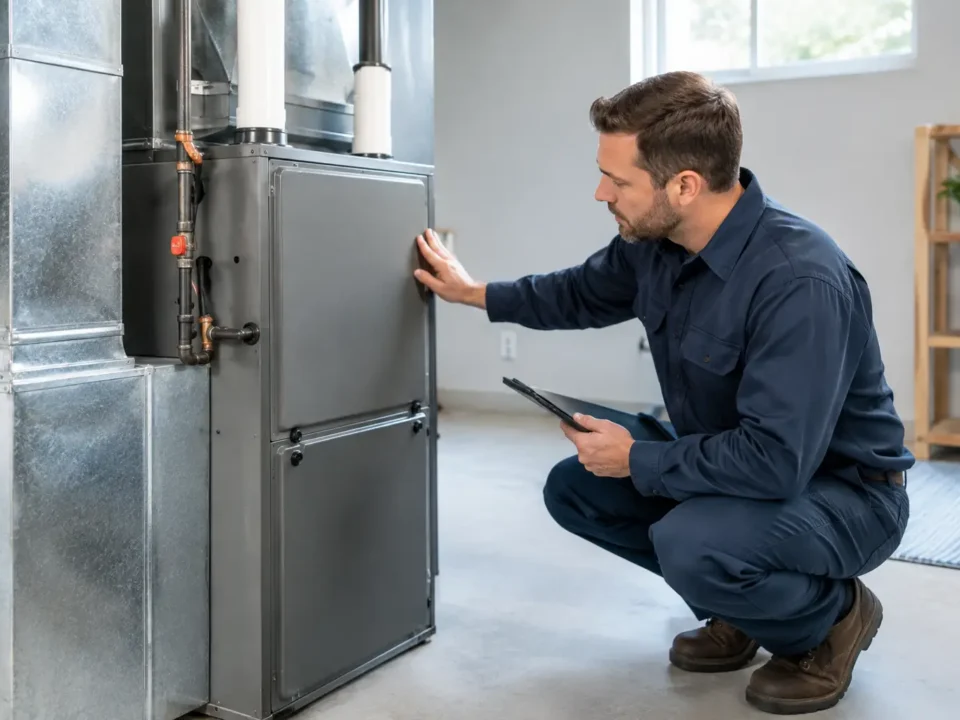
High-efficiency furnaces work differently. They commonly use plastic intake and exhaust pipes, often routed through a sidewall or roof. These systems recover more heat from combustion gases, which is why their exhaust is cooler. They still depend on clear, correctly installed vent piping to operate safely.
The exact venting setup depends on the furnace model, fuel type, efficiency rating, local code requirements, and building layout. What looks like a minor difference in pipe material or slope can matter a great deal. That is why replacement, rerouting, and repairs should be handled by trained HVAC professionals.
Warning Signs That Need Attention
Some venting problems are visible. Others show up as changes in furnace operation, indoor air quality, or household health. Do not assume a furnace is safe simply because it is still producing heat.
Call for service promptly if you notice soot around the furnace, vent pipe, registers, or nearby walls. Yellow or flickering burner flames can also signal incomplete combustion, although the flame should only be inspected from a safe distance with the furnace access panel in its normal position. A healthy gas burner flame is generally steady and blue.
Other warning signs include unusual exhaust odors indoors, excessive moisture on windows near the furnace room, recurring furnace shutdowns, rattling vent pipes, visible rust, or water stains around the flue connection. A vent pipe that has separated, sagged, corroded, or shifted out of alignment should not wait for a routine appointment.
Carbon monoxide symptoms can be harder to recognize because they can resemble a cold or flu. Headache, dizziness, nausea, confusion, weakness, and shortness of breath may indicate exposure. If a carbon monoxide alarm sounds or anyone in the building has symptoms, leave the building immediately, call 911 or emergency services from outside, and do not re-enter until authorities say it is safe.
Keep Exterior Vent Openings Clear
For high-efficiency furnaces, exterior intake and exhaust terminations must remain open. Leaves, mulch, snow, ice, nests, and landscaping growth can restrict airflow. In Northern Virginia, snow and freezing rain can create temporary blockages during the exact weather conditions when heating equipment is working hardest.
Check vent openings visually from the ground during the heating season, especially after a storm. Remove loose snow or debris only if it can be done safely and without touching, disconnecting, or changing the vent pipes. Never cover an exterior furnace vent to stop cold air, reduce noise, or keep out pests. If animals are repeatedly nesting near the termination, a technician can recommend an approved solution that does not restrict required airflow.
Avoid stacking stored items, paint cans, chemicals, or boxes around the furnace. The equipment needs service clearance, and combustion appliances should not draw air from areas contaminated by fumes. A clean, accessible furnace area also makes it easier to spot leaks, corrosion, or changes in the vent connection.
Why Vent Pipe Condition Matters
Conventional furnace flues can deteriorate over time. Heat, condensation, age, and poor support can lead to corrosion or loose joints. White staining, rust, dark residue, or moisture near a metal vent can indicate that the system needs professional evaluation.
High-efficiency vent pipes have different risks. Because they carry cooler exhaust, they must be installed with the correct material, connection method, support, and slope. Improper slope can allow condensate to collect where it should not. A poorly sealed joint can leak exhaust or allow air into the system, causing performance and safety issues.
Do not use tape, caulk, screws, or improvised clamps to patch furnace venting. A temporary-looking fix can change the vent size, damage approved materials, create leaks, or hide a larger combustion problem. The right repair depends on the furnace manufacturer’s requirements and the condition of the full vent run, not just the spot that looks damaged.
Carbon Monoxide Alarms Are Essential Backup
A carbon monoxide alarm does not replace furnace maintenance, but it provides critical warning if combustion gases enter occupied spaces. Install alarms on each level of the home and near sleeping areas, following the alarm manufacturer’s placement instructions. For rental properties and commercial spaces, confirm the building meets applicable code and occupancy requirements.
Test alarms monthly and replace batteries when required. Check the manufacture date as well. Carbon monoxide alarms have a limited service life, commonly five to 10 years depending on the model. An alarm that is expired, missing, chirping, or unreliable is not providing the protection you expect.
Do not place carbon monoxide alarms directly beside fuel-burning equipment unless the manufacturer specifically permits it. Placement that is too close can lead to nuisance alarms or fail to provide the intended warning time. When in doubt, follow the product instructions or ask an HVAC professional during a maintenance visit.
Annual Maintenance Protects More Than Comfort
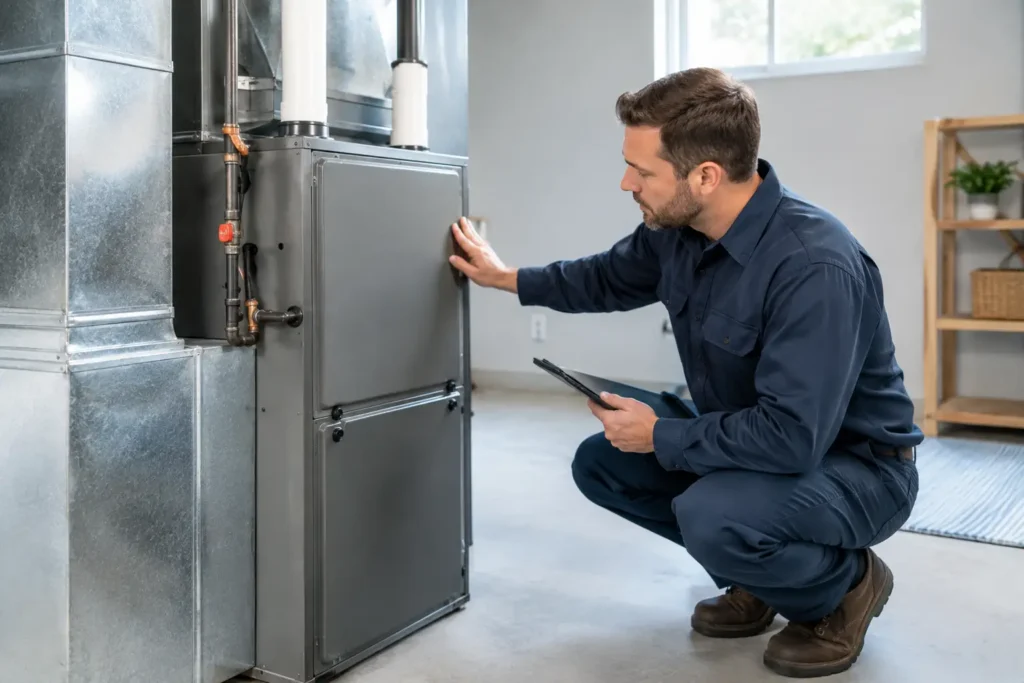
An annual furnace tune-up is one of the most practical ways to catch venting and combustion concerns early. During professional maintenance, a technician can inspect the vent system, burners, heat exchanger area, condensate drainage on high-efficiency equipment, safety controls, and overall furnace operation.
This is especially valuable for older furnaces, equipment that has had repeated repairs, and systems located in attics, utility closets, mechanical rooms, or other tight spaces. Commercial properties should also schedule service before peak heating demand. A furnace failure or safety shutdown can disrupt tenants, employees, customers, and business operations when quick heat is most needed.
Maintenance does not guarantee that a part will never fail, but it gives you a better chance to address wear before it becomes an emergency. It also creates a record of service that can help property managers plan repairs or replacement decisions with fewer surprises.
When to Shut the Furnace Off
If you see a disconnected vent pipe, smell strong exhaust indoors, find soot near the unit, or receive a carbon monoxide alarm, treat the issue as urgent. If it is safe to do so, turn off the furnace using its service switch or thermostat, leave the area, and contact emergency services when carbon monoxide may be present.
For less immediate concerns, such as light corrosion or intermittent furnace lockouts, schedule qualified service as soon as possible. Do not continue resetting the furnace to force it to run. Repeated shutdowns are often the system’s way of protecting itself from an unsafe operating condition.
AAA HVAC provides furnace inspections, repairs, and preventive maintenance for homeowners and businesses across Northern Virginia. NATE-certified technicians can evaluate the complete heating system, including the venting components that support safe operation.
Your furnace should provide dependable heat without making you question the air inside your building. If something looks, smells, or sounds different, trust that instinct and have the system checked before the next cold night makes the problem harder to manage.